Green Tea Feature
Qingcheng Xueya is more than just another tender Sichuan green tea: from Qingcheng Mountain's older tea lineage and the 1950s modern creation to a local style of delicate shape, visible down, bright liquor, and steady returning sweetness
Within Sichuan elite green tea, Qingcheng Xueya is easy to flatten into one sentence: it comes from Qingcheng Mountain, uses tender spring material, looks refined, and belongs to the higher-end side of local green tea. None of that is false, but it is much too thin. Once the tea is reduced to “another mountain bud green tea,” readers miss what makes it genuinely interesting. Qingcheng Xueya is not a novelty name invented out of nowhere. It stands on the long tea history of the Qingcheng Mountain area, while also carrying a relatively clear mark of twentieth-century reorganization, naming, and modern elite-tea shaping. It holds together an older Qingcheng tea memory and a more modern creation history, and that double time layer is exactly what makes it worth writing more carefully than many green teas discussed only through appearance.
If the order is put right, Qingcheng Xueya is first a Chinese green tea that can be recognized, compared, brewed, and judged; only after that is it a local cultural name with the halo of Qingcheng Mountain behind it. It does not stand only because “famous Daoist mountain tea” sounds romantic, and it does not stand only because “lots of down and very tender buds” sounds premium. It stands because several things meet together: the humid mountain environment of Qingcheng, relatively fine early-spring leaf material, a pan-fired green-tea process with multiple rounds of shaping and drying, and finally a cup that shows freshness, brightness, returning sweetness, and a fairly complete internal order. Without laying out those layers, Qingcheng Xueya is too easily mistaken for a scenic souvenir name rather than a real local green-tea route.
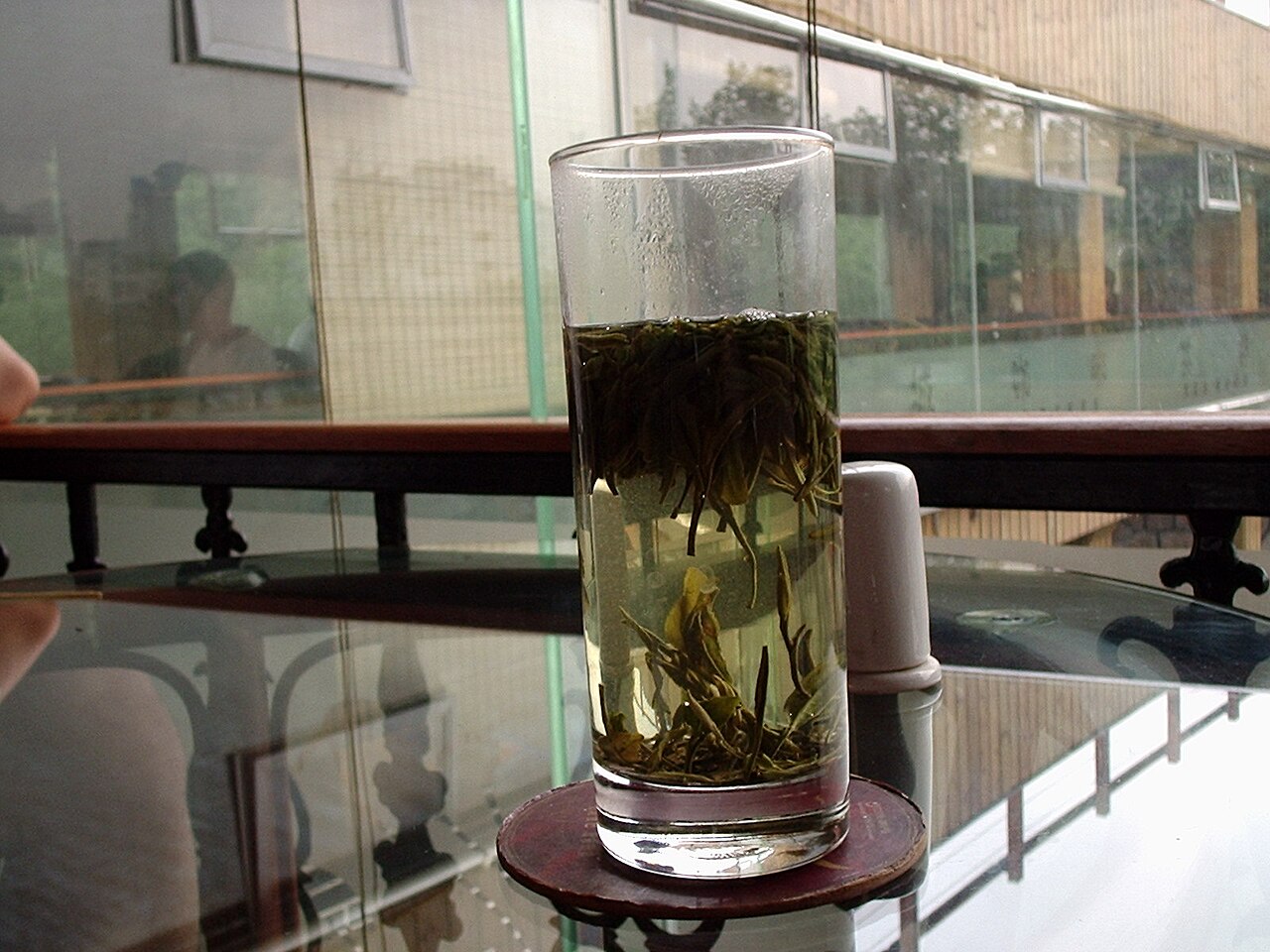
What kind of tea is Qingcheng Xueya? It is first a modern pan-fired green tea built on older Qingcheng tea traditions
Qingcheng Xueya belongs to the category of Chinese green tea. More specifically, it can be read as a modern re-shaping of the Qingcheng Mountain tea line within the system of elite green tea. Public Chinese references usually place it within pan-fired green tea, stressing early-spring tender leaf material, a relatively careful shaping process, and sensory features such as a delicate slightly curved appearance, visible down, and bright clear liquor. That identity matters because it shows Qingcheng Xueya is not the kind of tea name that exists only through story and loses meaning once craft is ignored. It still has to be judged as green tea: does it preserve green tea freshness, does it carry clean aroma, is the liquor bright enough, and does it turn tender material into real freshness, body, and returning sweetness?
At the same time, it should not be written as if it were an unchanged survival from antiquity. The steadier formulation is that Qingcheng Xueya stands on the long tea history of Qingcheng Mountain, but the form widely recognized today carries a visible modern creation layer. Public materials often note that around 1958 it was developed and improved on the basis of earlier Qingcheng tea. In other words, its relationship to older Qingcheng tea is not simple identity, but a more realistic and more interesting continuity: local tradition was not erased, but selected, renamed, reworked, and brought into modern elite green-tea form.
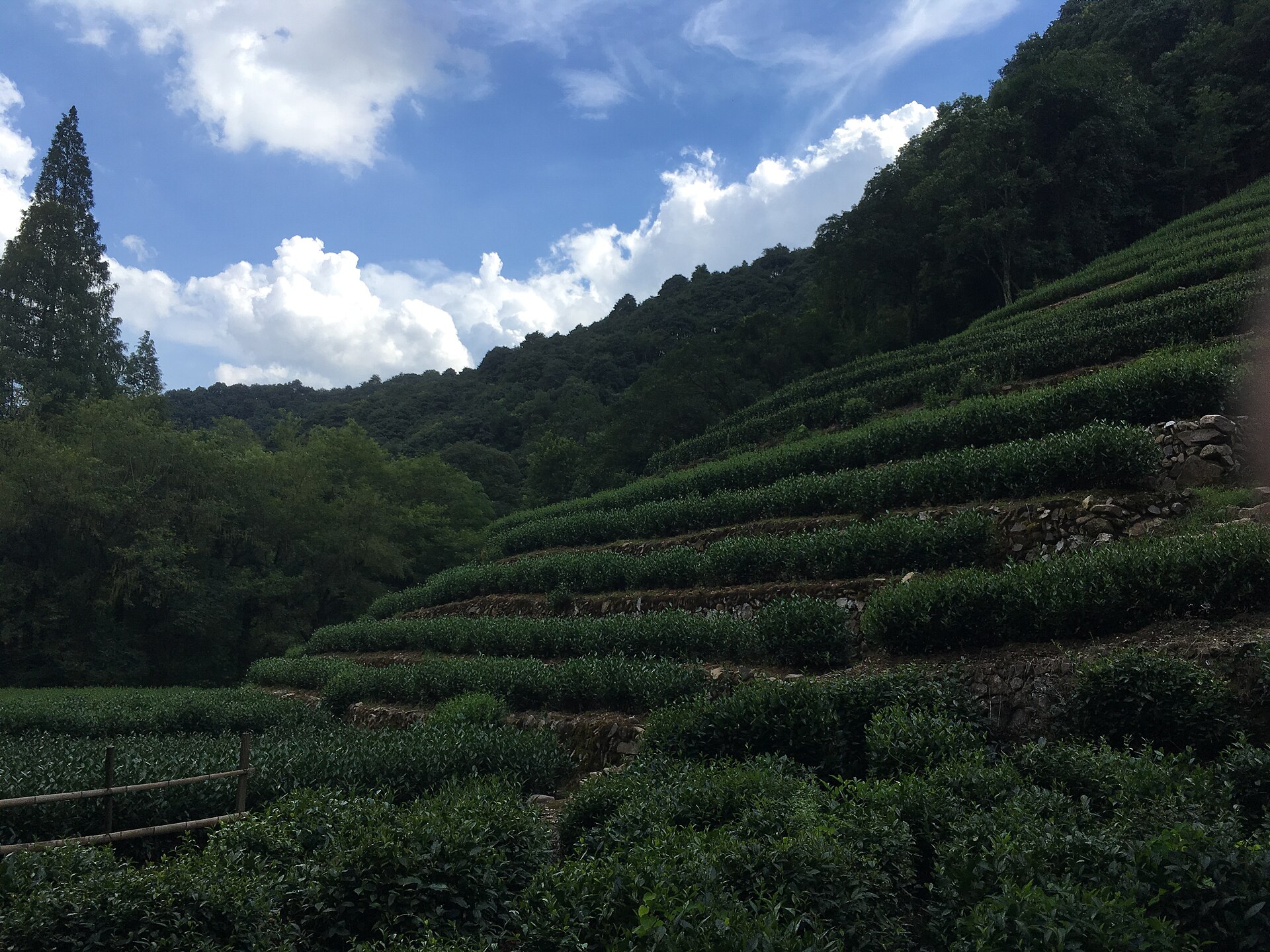
Why is Qingcheng Mountain so important? Its importance is more than the fame of a celebrated mountain
If a Qingcheng Xueya article stops at “Qingcheng Mountain is a famous Daoist mountain, so the tea feels cultured,” then the important part has barely been written. What really matters is that Qingcheng Mountain has long provided ecological conditions suited to fine early-spring tea growth: a humid climate, fairly abundant rainfall, frequent cloud and mist, and a mountain microclimate with a distinct spring budding rhythm. None of this automatically guarantees good tea, but it does make it easier to support an elite green-tea route centered on early tender buds and leaves. Public references to Qingcheng tea repeatedly connect local mountains, fine bud material, and long production experience, rather than using the place only as a scenic backdrop.
More importantly, Qingcheng Mountain is not just an environmental bonus. It is the starting point of the tea's local expression. It helps push the style toward freshness, elegance, brightness, and clarity rather than thickness, weight, or force. The tea is repeatedly described not through exaggeratedly explosive aroma, but through fresh fragrance, bright liquor, and a fuller returning sweetness. That tells us its style does not depend on shouting through aroma. It depends on doing the whole cup in a fine order: the shape should be elegant, the aroma clean, the liquor bright, the first sip fresh, and the finish naturally sweet. Qingcheng Mountain matters because it helps stabilize that route.
What is its relationship to older Qingcheng tea? Why do we need to see both an older tradition and a newer creation history?
Qingcheng Xueya is a useful reminder that many teas which look modern today actually stand on much longer local tea histories. Public materials often mention references to Qingcheng tea in The Classic of Tea, and they also cite later writings about Qingcheng tea, Shaping tea, or tender local teas from the area. The most important thing about those references is not to prove that ancient Qingcheng tea looked exactly like Qingcheng Xueya does today. It is to show that Qingcheng Mountain has long had a deep tea-producing tradition, and that the idea of fine local bud tea or tribute-worthy mountain tea did not begin yesterday.
On the other hand, the modern item called Qingcheng Xueya clearly carries a mid-twentieth-century elite-tea creation imprint. It was not an untouched line that simply survived from the past in exactly the same form. Rather, it is the result of putting older production areas, older local experience, and older tea memory into a modern logic of elite green-tea creation and naming. Because of that, two lazy mistakes should be avoided. One is to mythologize it as a direct revival of ancient tribute tea. The other is to treat it as a purely modern product with no historical root. A more accurate reading is that Qingcheng Xueya is a concentrated modern rewriting of Qingcheng Mountain tea tradition within the language of elite green tea.
Why does it emphasize one bud with one just-open leaf, fine tenderness, and visible down? Because these are preconditions for the style
Public references often describe Qingcheng Xueya as using early-spring tender material, with standards commonly centered on a one-bud-one-leaf-just-opening window. That is not just a visual luxury requirement. It matters because both the shape and the drinking profile depend heavily on consistency in the leaf material. If the leaves are not tender enough, the tea struggles to produce the delicate light shape it aims for. If the batch is not even enough, the finished tea loses visual order and the fine impression of visible down. If the leaf condition is unstable, the freshness and brightness in the cup tend to fall apart as well.
Visible down should not be treated as an isolated marketing detail either. In teas of this kind, obvious down usually suggests that the material is indeed relatively tender, the picking window is early, and the processing has not handled the leaf so roughly that the material loses its nature. Of course, down alone does not prove quality. But in Qingcheng Xueya, visible down, tenderness, evenness, and brightness are meant to arrive together. What deserves attention is the completeness of the whole system rather than one decorative label.
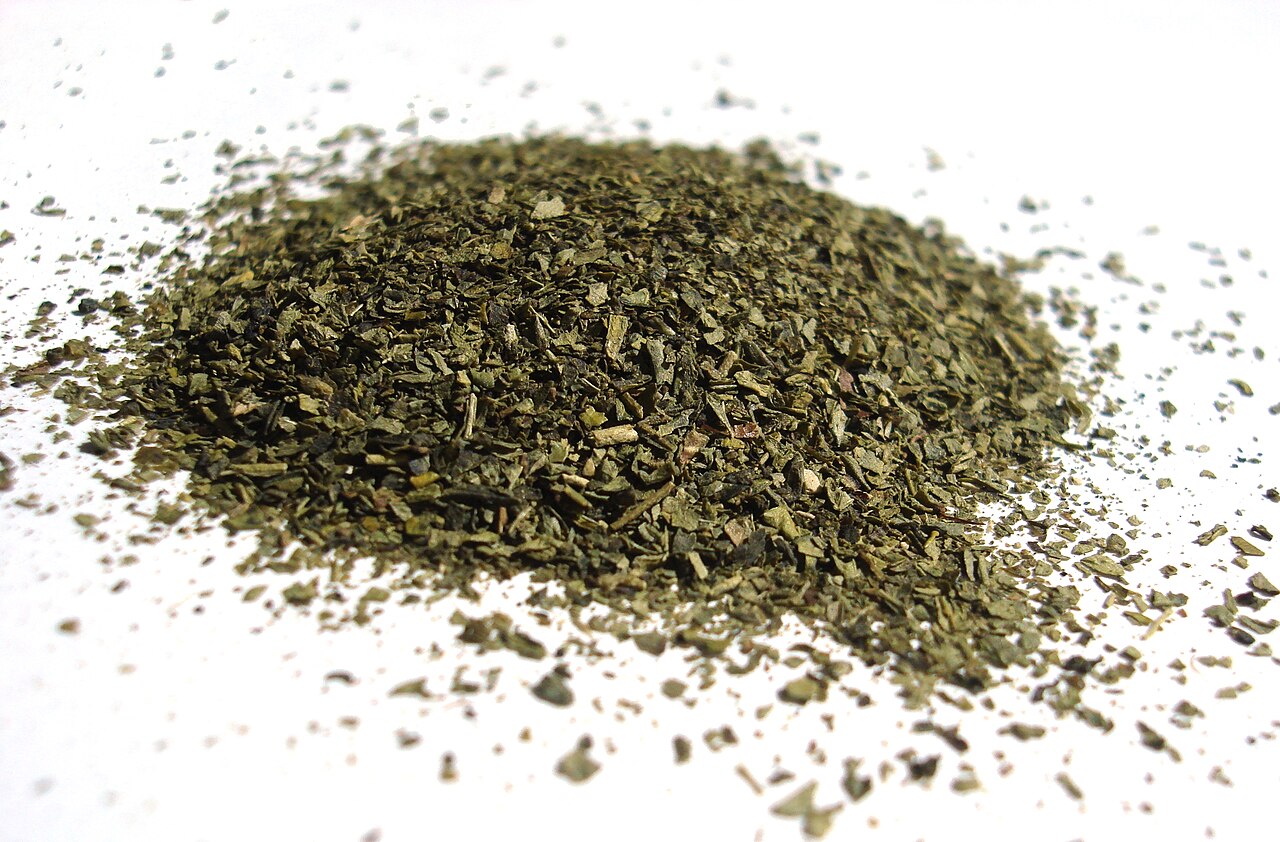
How is Qingcheng Xueya made? Why is the real point not simply “tender leaves,” but turning tender leaves into order?
Public descriptions often list steps such as kill-green heating, cooling, rolling, second frying, cooling, re-rolling, third frying, cooling, baking, sorting, and refiring. For ordinary readers, the value is not in memorizing every step by name, but in seeing the goal they share. That goal is clear: to organize fine tender leaves into an elite green tea that keeps green-tea freshness while also establishing a stable finished shape. Steps such as repeated frying and reworking are stressed because they help the leaves soften, begin to take form, and gradually build the outline of the finished tea, instead of remaining merely “very tender but very loose.”
This is one of the places where Qingcheng Xueya separates itself from vague talk about tender bud tea. Many tea descriptions use “tender” as if that alone explained everything, leaving only words like expensive, early, small, and fine. But the real difficulty is whether tender leaves have been turned into a complete tea. For Qingcheng Xueya to stand, the leaf material must be fine, but the finished tea must also be elegant, visibly downy without looking messy, bright in liquor without becoming thin, fresh in aroma without drifting, and naturally sweet in the finish without collapsing into emptiness. The craft matters because it organizes all those demands into one whole. Without that, the tea would amount only to “good raw material,” not a mature local green-tea route.
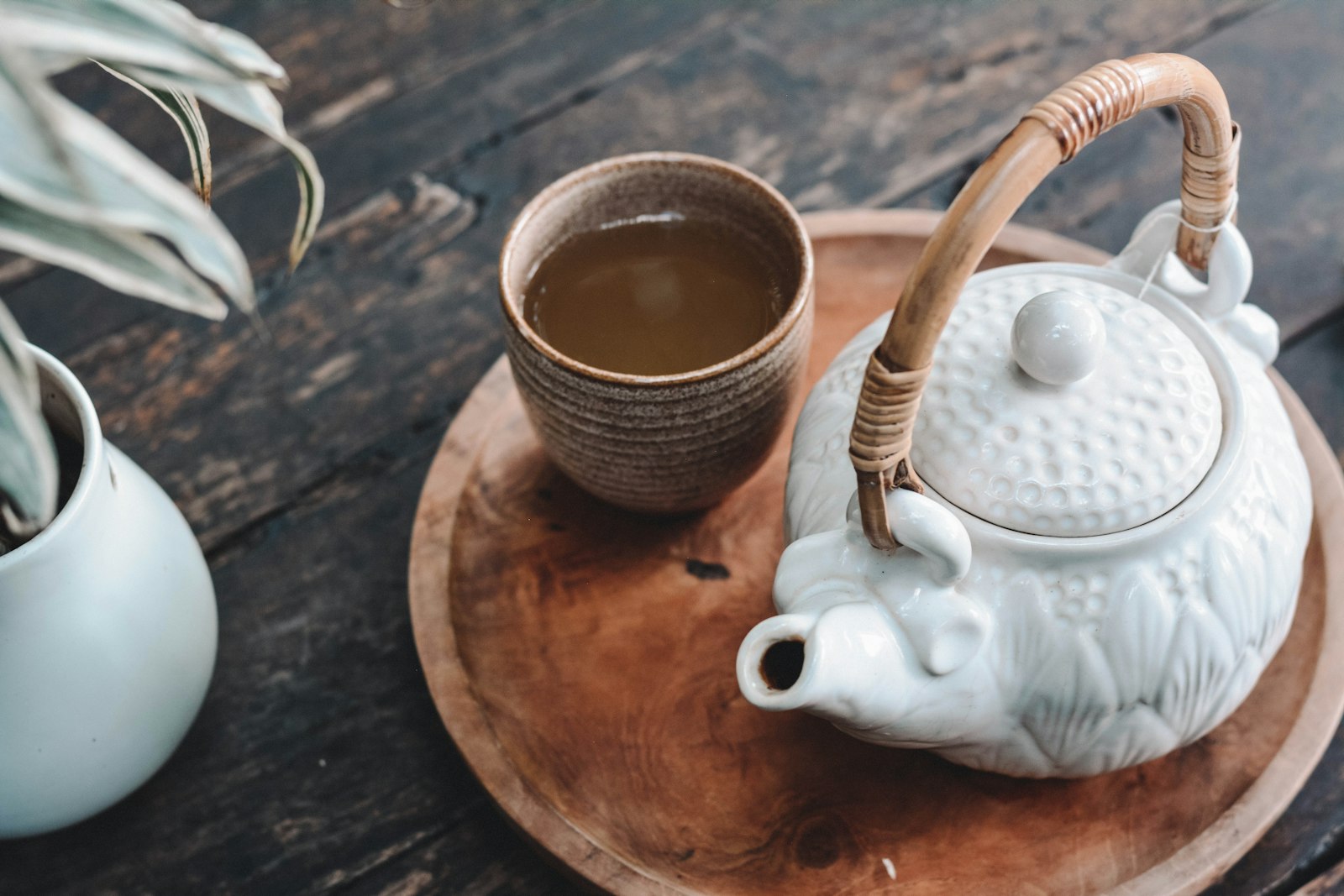
What does it usually smell and taste like? Why should freshness, brightness, and returning sweetness be read together?
A good Qingcheng Xueya usually leans toward fresh fragrance, clean green aroma, and tender-leaf lift. The important point is cleanliness and composure rather than overwhelming force. The liquor should be bright and clear, often described as yellow-green and lively. On the palate, a fresh first impression should arrive first, followed by a gentler body and a relatively clear returning sweetness. The most useful warning here is that these traits should not be read one by one in isolation. Fresh aroma does not automatically mean the cup is good. Bright liquor does not automatically mean the taste has enough substance. Returning sweetness does not automatically mean the early cups were not thin.
What makes a strong Qingcheng Xueya convincing is that these dimensions stand together: the aroma is not dirty, the liquor is not cloudy, the first sip is fresh without feeling hollow, and the aftertaste returns naturally rather than through rough bitterness. That is why it should not be written as an “explosive aroma” green tea. Its charm is usually more restrained and needs a slower kind of attention. Is the first sip bright enough? Does the second cup remain clean? What stays in the mouth after swallowing? These questions matter more than whether the dry leaf smells dramatic at first contact. Its real value lies not in one exaggerated memory point but in whether the entire cup holds a stable order.
How is it different from more visible green teas such as Zhuyeqing and Longjing?
Qingcheng Xueya is easy to discuss alongside Zhuyeqing because both belong to elite Sichuan green tea, both emphasize tender spring material, and both carry the impression of mountain-grown fine green tea. But they do not land in exactly the same place. Zhuyeqing places stronger emphasis on a slender, straighter, bamboo-leaf-like order, with a more explicit line-based visual discipline. Qingcheng Xueya, by contrast, is often described as delicate and slightly curved, with visible down and a more light-elegant finish. Put simply, the former leans more heavily on order and line after shaping, while the latter leans more on the fine tender material remaining delicate and lively even after shaping.
The difference from Longjing is clearer still. Longjing is a more classic flattened pan-fired route, with emphasis on broad pressed leaf form, wok character, bean or chestnut notes, and the Hangzhou-West Lake context. Qingcheng Xueya remains part of a Sichuan mountain green-tea system that leans toward tenderness, delicacy, visible down, brightness, and fresh clarity. It is not a Sichuan version of Longjing, nor should every fine early-spring green tea be grouped together with it. What allows it to stand is the meeting of Qingcheng Mountain's tea lineage, fine spring leaf material, and a modern elite green-tea craft system. Once that is clear, readers are less likely to treat it as merely the same tea with a different place-name attached.
How should Qingcheng Xueya be brewed? Why does it not respond well to rough high heat and long steeps?
Like many fine green teas, Qingcheng Xueya is better brewed in a glass or a gaiwan. A glass helps show the leaf expansion and the clarity of the liquor, while a gaiwan makes it easier to control the pour and compare aroma changes. Water temperature is usually better kept moderate, around 80°C to 85°C as a reliable starting point. If it is hit immediately with boiling water and long steeps, the tea's best qualities—freshness, brightness, and delicacy—are easily broken apart. What should feel light, lively, and gently full can turn bitter, dull, or hollow instead.
In a gaiwan of around 100 to 120 ml, about 3 grams of leaf is a practical place to begin. Keep the first infusions shorter, then extend later rounds gradually. The point when brewing Qingcheng Xueya is not to force concentration. It is to preserve order: does the aroma stay clean, does the liquor stay bright, does the freshness survive, and does the sweetness return naturally? The heavier the method, the easier it is to flatten the tea into bitterness and astringency. The steadier the hand, the easier it becomes to read the tea's fine structure.

Why is Qingcheng Xueya worth adding to the tea section? Because it connects local tea history and modern elite green tea
Qingcheng Xueya deserves a standalone feature not just because it appears on lists of Sichuan famous teas, but because it helps readers see a broader Chinese tea pattern that is often written too thinly. Many modern elite teas are neither clean breaks from earlier tradition nor untouched survivals from the past. They are reorganizations of local tea history inside a modern tea-making era. Qingcheng Xueya is exactly this kind of case. It lets readers see that the older Qingcheng tea line still matters, while also making visible how mid-twentieth-century elite-tea creation and naming shaped what is now recognized as a tea category.
That is also what makes it suitable for bilingual mirroring. The Chinese source can naturally place older Qingcheng tea references, local historical memory, and modern creation in one frame. The English version should stay strictly aligned with that same structure and explain it as a Sichuan green tea rooted in older Qingcheng tea history but modernly shaped in the 1950s, rather than drifting into a purely scenic, cultural, or luxury-consumption article. Only then do the Chinese and English pages remain built on the same factual spine instead of turning into two different pieces with two different centers of gravity.
Further reading: Zhuyeqing: not just a powerful brand name, but a green-tea route built on Emeishan buds, elegant shaping, and clean freshness, Longjing: spring in Hangzhou, pan-fired craft, and local life inside one cup, and Why Bi Luo Chun is so closely tied to tenderness, aroma, and freshness.
Source references: synthesized from public Chinese-language materials on Qingcheng Mountain tea history, references to Qingcheng tea in early and later texts, descriptions of Qingcheng Xueya's creation in the 1950s on top of earlier Qingcheng tea production, early-spring tender leaf standards, pan-fired green-tea processing steps, and commonly described sensory characteristics.