Oolong Tea Feature
Oriental Beauty is more than a romantic name: leafhopper-bitten leaves, baihao oolong, and the honeyed fruit logic of Taiwan’s most ecologically dependent oolong
In Chinese tea culture, Oriental Beauty is one of those teas whose name arrives before real understanding. The name is memorable, atmospheric, and wrapped in story. Some people first encounter the old legend of royal naming. Others remember alternate names like Pengfeng tea or Baihao Oolong. Still others only know that it is a Taiwanese tea with strong honey notes, ripe-fruit sweetness, lots of visible white tips, and often a high price. Because the name is so easy to remember and so ready-made for storytelling, Oriental Beauty is also unusually easy to explain too shallowly. It gets flattened into “a sweet fragrant Taiwanese oolong,” “the bug-bitten tea,” or “a gift-friendly honeyed tea.” None of those summaries are entirely false. None of them are enough.
What makes Oriental Beauty worth writing carefully is that it gathers several unusually delicate tea logics into one style. It does not depend on cultivar alone, nor only on roast, mountain origin, or processing technique. It requires a particular season, a particular ecology, a particular level of leafhopper activity, a particular tenderness of leaf, a relatively high oxidation direction, and careful later handling to achieve its recognizable honeyed and ripe-fruit profile. In other words, Oriental Beauty is not an accidental tea that happens to come from slightly bitten leaves. It is a tea whose identity depends on turning what might otherwise be treated as agricultural damage into part of the aromatic structure itself.
What kind of tea is Oriental Beauty, and why does it have so many names?
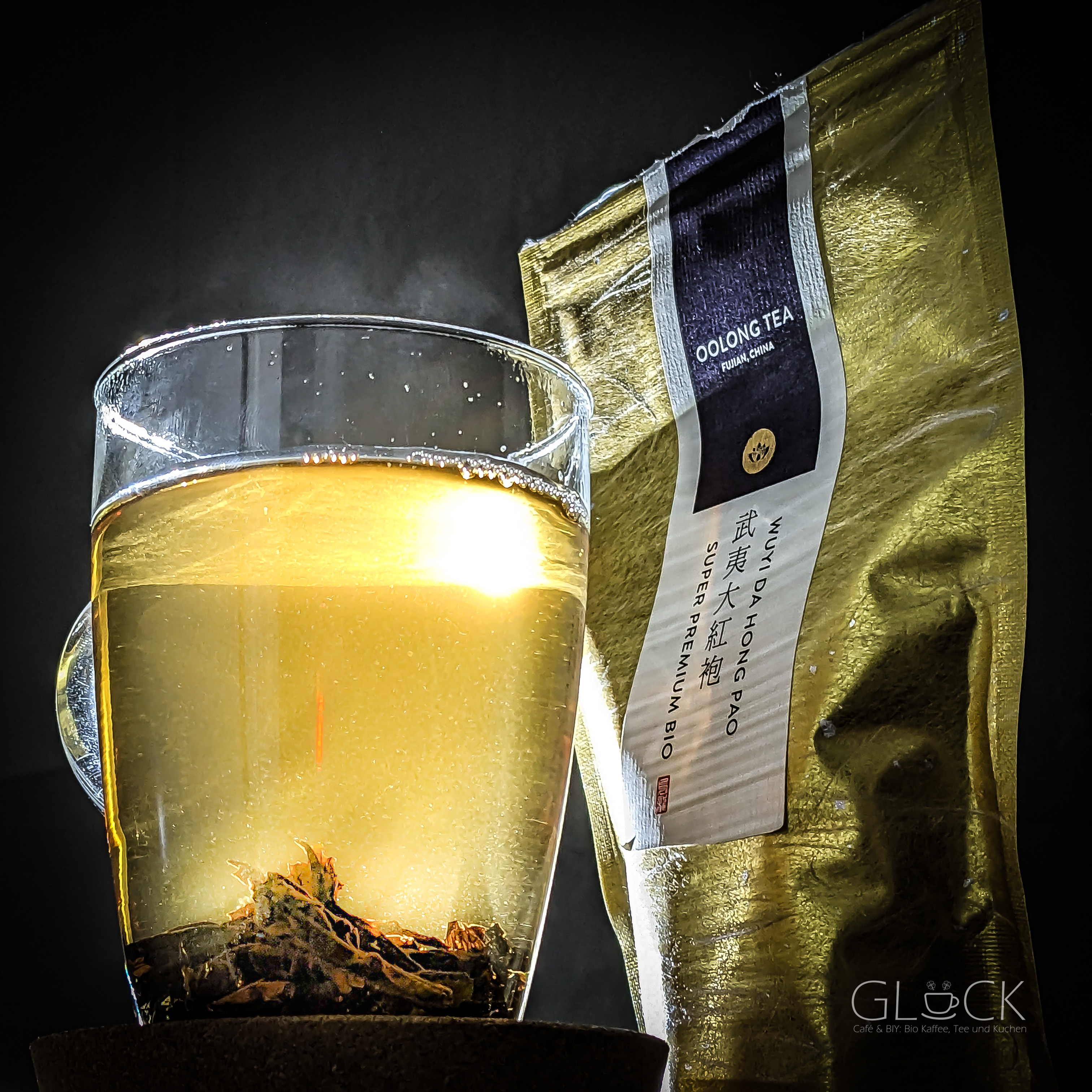
In formal tea classification, Oriental Beauty is an oolong, and more specifically a relatively highly oxidized Taiwanese oolong. Compared with the greener, brighter, more floral modern oolongs many drinkers first imagine, Oriental Beauty has a clearly different center of gravity. It often shows amber to orange-red liquor, and it leans toward honeyed aroma, ripe-fruit notes, sweetness, and a rounded, soft texture rather than relying on one high and piercing floral note.
Its many names each highlight a different side of the tea. “Oriental Beauty” reflects later external and export-facing image-making. “Pengfeng tea” carries a stronger local historical and folkloric flavor. “Baihao Oolong” points more directly to one visual feature of the dry leaf: prominent white tips. For readers, the key is not to obsess over which name is most authentic, but to understand that these names all point to the same structural identity: a Taiwanese oolong defined by summer-picked tender leaves, leafhopper-bitten material, visible white tips, relatively high oxidation, and a signature honeyed ripe-fruit aromatic profile.
Why is Oriental Beauty always discussed together with the leafhopper? What does “bug-bitten” actually change?
It is almost impossible to discuss Oriental Beauty without the small tea leafhopper. Its importance is not simply that the leaves were bitten. The feeding activity changes the later aromatic direction of the leaf. Chinese descriptions often use the idea of zheyan, meaning the specific state of tea buds and leaves after being fed on by the leafhopper. One of the central facts about Oriental Beauty is that its classic honeyed and ripe-fruit aroma is not produced by technique alone, but is built on the precondition of leafhopper-bitten fresh leaf. Without that starting point, later processing may imitate the style, but it becomes much harder to produce a truly convincing example.
This is also why Oriental Beauty depends on a very particular tea-garden ecology. To attract and tolerate enough leafhopper activity, the garden cannot be run through a heavily insecticide-dependent logic. The tea therefore carries an ecological precondition built into its identity. It is not a style that can be perfectly standardized and copied in a purely industrial way. One can imitate the look, the oxidation level, or the sweetness direction, but without the right fresh-leaf condition, the deeper layers of honeyed aroma, ripe-fruit softness, and natural lingering sweetness are much harder to achieve.
Why is Oriental Beauty usually picked in summer? This runs against the usual spring-tea logic
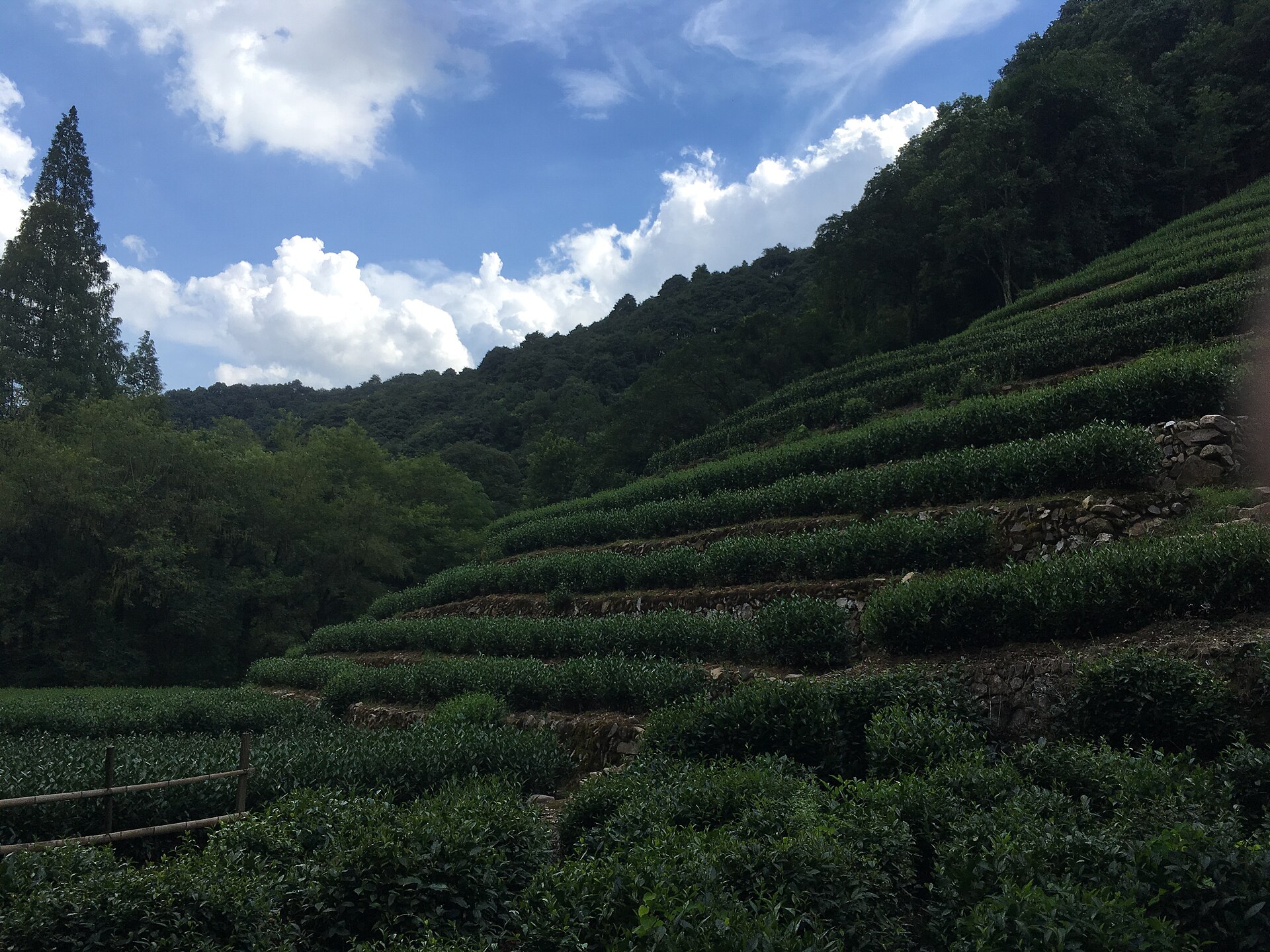
Many famous Chinese teas treat spring as the obvious season of value. Readers are used to hearing that the earlier the spring pluck, the better the tea. Oriental Beauty is a useful correction to that habit. Its key harvest window is usually associated with hot-season growth and visible leafhopper activity, so its crucial picking period often falls in summer. In other words, its quality logic is not a spring-first logic but a summer-pick logic.
That matters because it changes the way readers think about what counts as premium tea. Oriental Beauty does not chase the earliest possible pluck. It cares more about whether the leaves have reached the right state in the right time window, whether they have been bitten to the right degree, and whether they still preserve enough tenderness and vitality for relatively high oxidation and careful later processing. Its rarity is not only a question of lower yield. It is also a question of more complicated timing: there must be insect activity, but not chaos; tender leaf, but not collapse; the right weather, but not disorder in leaf condition. That is a more demanding kind of “right timing” than the simple idea that earlier is always better.
Why is Oriental Beauty often described as a more highly oxidized oolong? How does that change its character?
If one imagines oolong as a spectrum from lighter to deeper styles, Oriental Beauty usually sits on the more oxidized and more mature side. Its difference from modern lightly oxidized rolled oolongs is not only that the liquor is darker. The whole expressive logic is different. Lighter oolongs often lean on freshness, floral lift, brightness, and an immediately striking first sip. Oriental Beauty emphasizes ripeness, sweetness, honey, fruit, and a softer, more rounded sense of completion. It is not typically a tea that shouts through a single explosive aroma. It is more often a tea that pushes aroma into the liquor so sweetness and fragrance travel together.
This helps explain why many first-time drinkers of good Oriental Beauty are surprised that it does not feel like their prior image of oolong. It is not built like a greener southern Fujian style, not focused on roast and frame the way stronger rock teas are, and not organized by a fragrance-spectrum system the way Phoenix Dancong is. It follows another route: using relatively high oxidation to turn the special condition of leafhopper-bitten leaf into a style built on honeyed ripeness and soft clarity. That makes it one of the best examples for understanding that oolong is not only a category of bright floral teas.
Why do the white tips matter? They are not just decorative
Another striking feature of Oriental Beauty is the visible abundance of white tips in the dry leaf, often mixed with shades of white, green, yellow, red, and brown. Many first-time drinkers see this as a purely visual selling point or assume it only means there are many buds. In reality, the visible white tips matter because they are tied to plucking tenderness, fresh-leaf condition, and later style outcome. Higher-grade Oriental Beauty often emphasizes carefully hand-picked tender shoots and leaves, which naturally contributes to a finer appearance and more obvious white tips.
But white tips are not a standalone standard. More white tip does not automatically mean better tea, and colorful dry leaf does not automatically mean authenticity. What matters is whether the white tips, leaf maturity, level of leafhopper biting, oxidation completion, and cup performance all align. Appearance is only the entrance. The judgment still returns to the cup: is the honeyed aroma natural, are the ripe-fruit notes clean, is the liquor soft and smooth, and does the sweetness extend naturally rather than remaining only a pleasing surface image?
What should Oriental Beauty smell and taste like? Why is “honey aroma” still not quite enough?
If one had to reduce it to one sentence, good Oriental Beauty should be honeyed and ripe-fruited without becoming cloying, relatively highly oxidized without turning dull, and soft and smooth in the liquor without becoming empty. Many people summarize it through “honey aroma,” which is valid, but still incomplete. The best examples usually offer more than a flat sweetness. The sweetness may carry layers of ripe fruit, floral undertones, and impressions that can drift toward raisin, ripe peach, pear, or apricot depending on area, material, and finishing.
On the palate, what makes Oriental Beauty impressive is usually not force but ease. It should feel smooth, supple, and naturally sweet. Its quality does not come from using roast to suppress greenness, nor from relying on aggressive top-note fragrance. It comes from allowing oxidation, bitten-leaf condition, and finishing to form a mature balance. Aroma should not float above the tea while the liquor remains empty. The real test is whether the fragrance enters the liquor and whether the drinker is left with an open, natural sweetness and gentle extension rather than only a memorable aromatic label.

How is it made? Why is the challenge not only that bitten leaves are hard to obtain?
When people talk about the difficulty of Oriental Beauty, they often stop at the raw material problem: the right season, the right insect pressure, and the right tenderness of leaf. That is already difficult. But the deeper challenge is that processing does not become easier once the leaves are obtained. Leafhopper-bitten fresh leaf is only the beginning. The tea maker still has to judge withering, oxidation development, fixation, rolling, drying, and later finishing. The goal is to push the aromatic potential of the bitten leaves toward honeyed ripeness without making the tea muddy, flat, or lifeless. Too little development and the sweetness may remain superficial. Too much and the tea can become dull or overly heavy.
This is part of what separates Oriental Beauty from a more industrial “process-first” logic. It is not simply “bug-bitten leaves plus oolong technique.” The best versions are the result of interaction among fresh-leaf condition, oxidation direction, rolling, and drying. They demand a fine balance: enough development to let honeyed fruit character emerge, but enough control to keep the liquor clean, soft, and alive.
How should Oriental Beauty be brewed? Why should it not be treated like a big mug of sweet fragrant water?
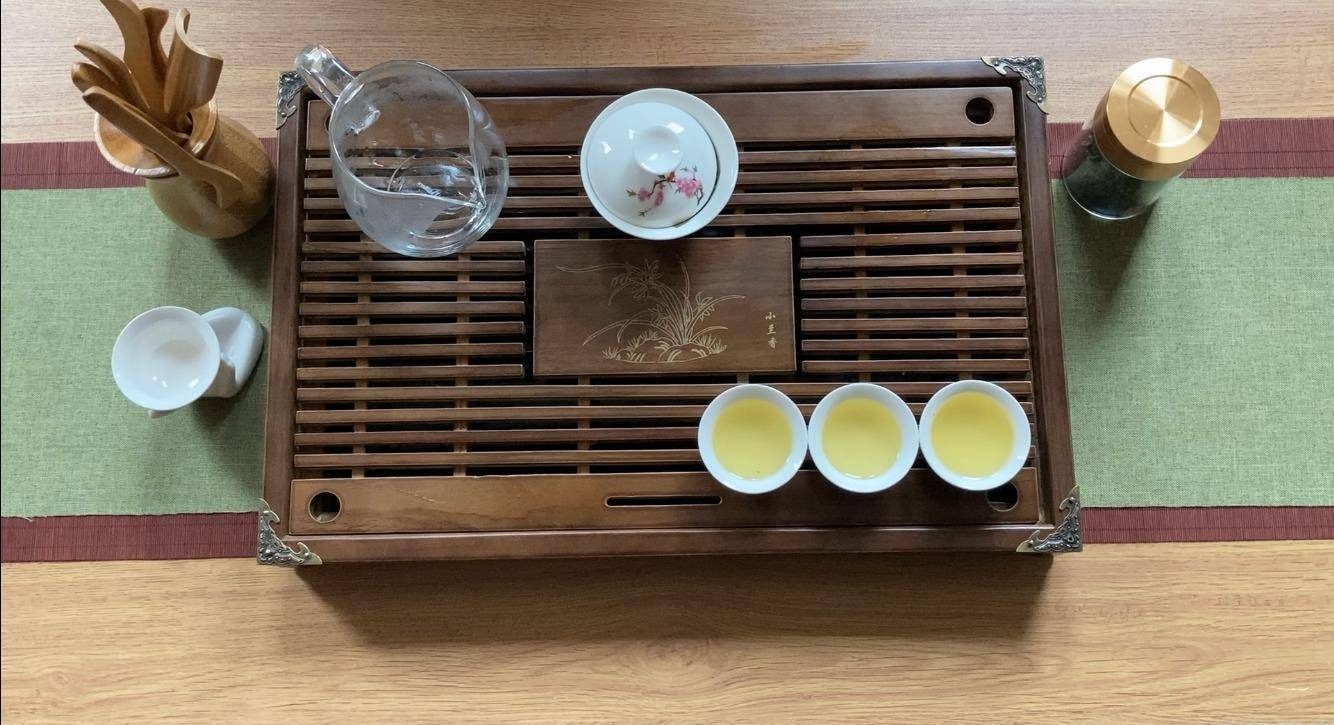
Oriental Beauty can be brewed in a gaiwan, a small pot, or even in restrained glass or porcelain, but whatever the vessel, the point is not to stew it brutally. Its softness does not mean it is indestructible. For most samples, hot water somewhere between 80°C and 95°C can work well, with the exact point adjusted according to drying level, leaf shape, and personal preference. If one wants to see its structure clearly, small-vessel multiple infusions are usually the better route. If the goal is simply easy drinking, one can lower the leaf ratio and temperature slightly, but long, heavy steeping often flattens the tea into a broad sugary impression.
In practice, 5 to 6 grams for 100 to 120 milliliters of water is a stable starting point. The early infusions should be poured off relatively cleanly so one can judge whether the aroma is clean and whether the sweetness feels natural, then timing can be extended gradually to see whether the tea still stands up later on. Good Oriental Beauty should not win only through a sweet first impression and then collapse. Across several infusions it should connect ripe fruit, honeyed aroma, softness, and lingering sweetness into one continuous line. Multiple infusions reveal the difference between surface sweetness and genuine completion.
What are the most common buying mistakes?
The first is to treat “honey aroma” as the only standard. Honey notes matter, but many teas can produce surface sweetness without the deeper ripe-fruit layering or integrated cup performance of a truly good example. The second is to assume that abundant white tips and a colorful dry appearance automatically mean high grade. Appearance gives clues, but cannot replace cup judgment. The third is to assume that every tea sold as Oriental Beauty follows one perfectly uniform standard. In reality, area, insect pressure, year, and processing direction can all create meaningful variation.
The fourth mistake is to let the legends do the judging. Whether one repeats the story of royal naming or the folklore around Pengfeng tea, those stories strengthen the tea’s cultural life, but they do not determine quality. Fresh-leaf condition and tea-making completion do. The fifth mistake is to assume that Oriental Beauty is a tea that will always taste good no matter how casually it is brewed. It is approachable and gentle, yes, but the better it is, the more it rewards attentive brewing. Brewed with care, it shows layers. Brewed carelessly, it can become a broad, flat cup of ripe sweetness.
Why does Oriental Beauty deserve its own place in the tea section?
Because inside the wider knowledge structure of Chinese tea, Oriental Beauty occupies a very distinctive position. It belongs to the broader oolong family, helping readers see that oolong is not limited to greener floral styles, roasted rock tea structure, or Dancong fragrance systems. At the same time, it is one of the very few classic teas that join together garden ecology, insect-bitten summer leaves, relatively high oxidation, white-tip appearance, and honeyed ripe-fruit aroma into one coherent identity. Without it, readers miss one of the clearest examples of how natural conditions can become part of a tea’s aromatic architecture.
It also fits naturally into this site’s existing structure. It can sit beneath the broader oolong overview while helping readers understand why the stylistic range of oolong is so wide. It also works well beside Tieguanyin and Phoenix Dancong: all are oolongs, yet one builds identity through bruising rhythm and floral lift, one through fragrance-spectrum language, and one—like Oriental Beauty—through ecology, oxidation, and honeyed fruit softness. Explaining Oriental Beauty well is not just adding another famous tea page. It restores one of the most unusual and revealing pieces on the map of Chinese oolong.