Fresh tea drink observation
Why orange-scented tea drinks started making sense again in 2026: from orange-perfumed Four Seasons tea to a brighter citrus-peel structure that reads more like a daytime main cup than an ordinary fruit tea
If you line up tea-drink menus from the 2026 spring-to-summer transition, the first things people notice are usually bayberry, grape, coconut water, jasmine floral lines, and the broader spread of more explicit “state-based drinks.” But next to those louder names, there is also a thinner and very worth-noticing line: orange-scented tea drinks. This is not just generic citrus fruit tea, and not merely a cup with two orange slices floating in it. It is a brighter, more daytime-main-cup product structure. It does not rely on pulp-heavy density, aggressive sweet-sour impact, or thick indulgence. Instead, it uses peel aroma, cleaner tea bases, a brighter front end, and a steadier finish to occupy a space that feels more repeatable than ordinary fruit tea and more legible than plain tea. That is why orange-scented tea drinks deserve to be treated as a distinct branch in 2026: they sell not just citrus mood, but a clear daytime everydayness that fits commuting, afternoons, deskside drinking, and take-away repeat cups.
This is worth writing not because orange suddenly became the loudest traffic fruit, but because it fills a very useful middle gap inside the current menu. Bayberry, grape, and mango work better as seasonal memory points and high-visibility campaign drinks. Coconut water works better as hydration language and lower-burden lifestyle language. Lemon tea works better as an answer for wake-up sharpness, cutting richness, commuting, and immediate refreshment. Orange does something else. It sits between those logics. It is rounder than lemon, lighter than mango or grape, more recognizably tea-like than coconut water, and more image-friendly than plain tea. For brands, that kind of middle position is extremely valuable, because it belongs more naturally to daily frequency than to short seasonal spikes.
More importantly, orange scent fits the current consumer who has already learned to read tea drinks through words like light, real, clear, and lower burden. The deeper the industry moves into that territory, the more one practical question appears: once everyone is selling drinks that are a bit lighter, clearer, and more workday-friendly, what can still create distinction inside the daytime cup? Orange scent answers not with heavier formulation, but with a steadier aromatic difference. It lets stores continue selling freshness, larger cups, and cleaner tea bases while making that freshness feel more shaped and more like a real tea-drink identity.
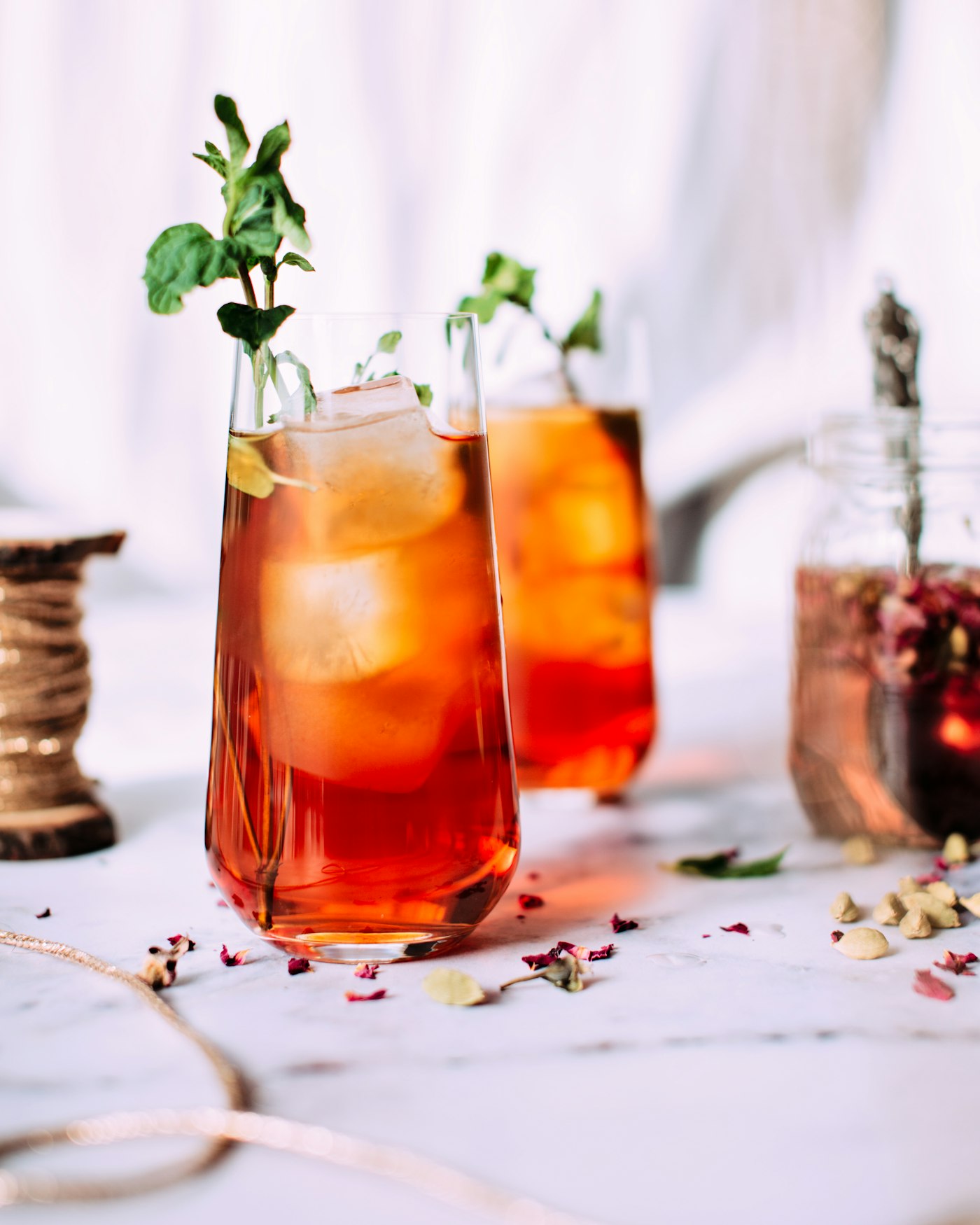
What this article looks at
Core question: why orange-scented tea drinks deserve to be treated as a distinct branch in 2026 Signals: orange slices, perfume lemon, jasmine tea bases, Four Seasons-style fruit tea, bright peel aroma, commuting take-away, afternoon refills, daytime high-frequency drinking Who this is for: readers trying to understand why stores are rebuilding a kind of daily fruit tea that is brighter than ordinary fruit tea, more image-friendly than plain tea, and less dependent on topping-heavy formulas
1. Why did orange-scented tea drinks start getting separated again from generic citrus fruit tea in 2026?
Because tea drinks have entered a stage where even the “fresh and light” side of the menu needs further subdivision. The previous visible shift was the industry learning how to manage lightness again: light milk tea returned, cold-brew-feeling drinks increased, Oriental iced tea was explicitly separated, and large commuter cups plus second-cup logic became clearer. At that point, brands can no longer stop at saying “we also have a refreshing fruit tea.” They have to answer: what kind of refreshing cup is yours? Is it sharper and more wakeful, or more hydrating and easy? Is it more fruit-forward, or more tea-forward? Is it for after meals, commuting, humid weather, or desk-side sipping? Orange scent reappears right at that more detailed fork.
Its importance comes from a practical competition problem. If fresh fruit tea only says “we are all refreshing,” the category becomes interchangeable very fast. Lemon is the mature answer. Coconut water is the hydration answer. Bayberry and grape are the seasonal answer. Orange scent increasingly looks like the answer for the daytime main cup. It gives brands a way to keep creating distinction without obviously adding heaviness or sugar. In 2026 that matters a lot, because stores already know they cannot keep winning just by making drinks fuller, thicker, and sweeter. They have to create scene differences subtle enough to support repeat buying.
Orange scent is especially good at those fine differences. It is less cutting than lemon, less visually loud than grape, less rich than mango, and less directly dependent on lifestyle hydration language than coconut water. It brings a rounder peel aroma, a brighter daytime register, and a cleaner mouth-clearing finish. That quality is not blandness. It gives the cup a kind of composure that feels more suited to long workday companionship. For brands, it is ideal for handling the current middle-layer demand: customers want fruit character, but not syrupy sweetness; freshness, but not total boredom; image value, but not the burden of a heavy once-only indulgence.
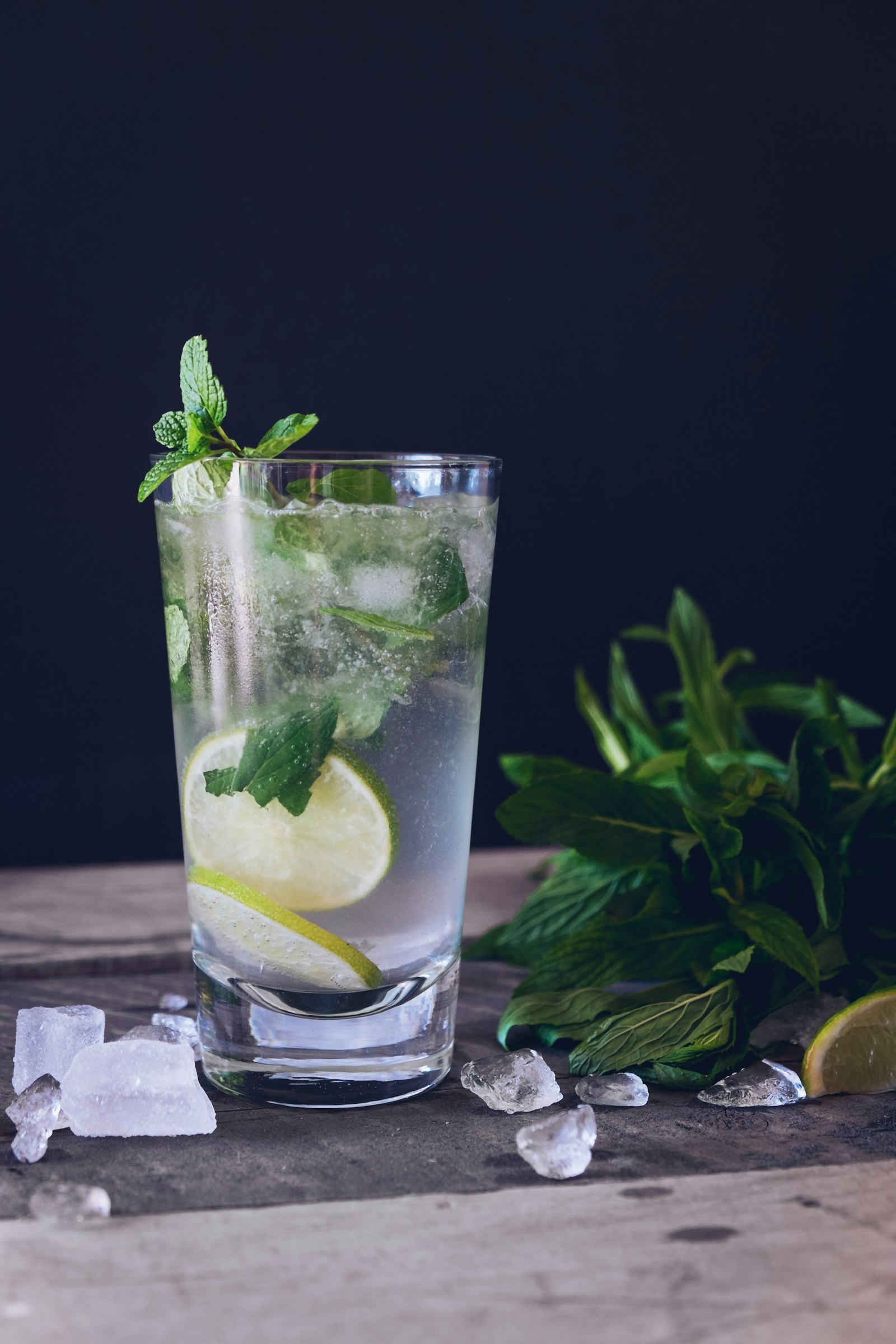
2. Orange scent is not really selling “orange fruit flavor,” but a brighter entry structure built around citrus peel aroma
Many fruit teas market themselves through images of juiciness, bursting pulp, sweetness, and visible fruit abundance. But what makes orange-scented tea work is not pulp itself. It is the relationship between peel aroma and tea base. Orange scent is strong not because it makes a drink feel large and crowded, but because it can turn a cup that might otherwise be described as merely “light” into something brighter, more outlined, and cleaner in the finish. It does not build memory through fruit mass the way mango or grape can. Nor does it mainly rely on acid force the way lemon often does. It behaves more like a lifted citrus layer hovering over the tea and moving the whole center of gravity upward.
That matters enormously in 2026 because many drinks are already moving toward lighter structures: less dairy, fewer toppings, lower sugar, cleaner tea, larger cups, workday use, and longer drinking windows. Those shifts increase repeatability, but they also create a side effect: the lighter a drink becomes, the easier it is to lose shape. Orange scent helps preserve the lightness while preventing it from feeling empty. It does not give thick presence. It gives clear presence. The cup does not become fuller. It becomes brighter. It does not become sweeter. It becomes more daytime-readable. It does not need more pulp. It feels more like a structurally coherent fruit tea.
That is why orange scent fits phrases like “bright citrus-peel aroma,” “quick opening,” “clean finish,” “wakeful but not harsh,” and “repeatable without turning hollow.” These are not decorative synonyms. They describe one structural goal from different sides: the front needs an opening, the back must not collapse; fruit character must remain legible, but tea base must still be readable; the whole thing must feel smooth without melting into vagueness. Orange scent is especially good at working inside that kind of precision lightness.
3. Why does it fit so well with clear tea, large commuter cups, and Four Seasons-style fruit tea?
Because orange scent does not need a heavy base in order to work. One of its most interesting strengths is that it can serve clear-tea lines and lighter fruit-tea lines at the same time, but for different reasons. Inside clear tea, it makes cleanliness feel less blank. Inside large commuter fruit tea, it makes smoothness feel more outlined. Many clear-tea products are not weak at all; they are simply too easy to remember as “just another clean tea.” Orange scent helps solve that by adding a bright peel layer without sacrificing transparency, making it easier for drinkers to remember one cup against another.
This is also why phrases like “orange-perfumed Four Seasons tea” feel increasingly workable in 2026. What matters there is not that “Four Seasons” sounds new. It is that a tea base like Four Seasons spring oolong, jasmine, or lightly roasted oolong is already suited to daytime, high-frequency, cleaner cups. Once orange scent is added, the store does not need to make the drink heavy in order to make “this feels like the kind of cup you carry through the day” very concrete. Orange scent is not there to steal the tea base’s role. It is there to translate the tea base’s daytime brightness into something more immediate and more publicly readable.
That is also why orange scent fits neatly behind themes the site has already been developing, such as large commuter cold tea, the second cup, and desk-side refills. In those scenes, the key is not “amazing first sip,” but “this still makes sense after sitting beside me for an hour.” Orange scent is better suited to that task than many richer fruits, because it provides enough aromatic content without pushing the whole cup toward excessive sweetness, stickiness, or one-time emotional consumption.
4. Why does it feel more like a “daytime main cup” than many other fruit teas?
By “daytime main cup,” I do not mean larger, cheaper, or more cost-effective. I mean a very specific consumption tone: more stable, easier to carry, more suitable for high-frequency everyday use, and still not boring. Grape, bayberry, and mango naturally carry stronger seasonal-spike energy. Coconut water carries stronger hydration and lifestyle value. Lemon tea carries stronger wake-up and de-greasing task value. Orange scent behaves more like a white-shirt fruit tea. It does not try to create huge emotion. It trims the whole cup into something cleaner and more composed. That quality suits today’s city stores especially well, because it meets social platforms’ demand for brightness and style without turning the product into a one-time seasonal prop.
Daytime feeling matters greatly in today’s tea-drink market. Stores are increasingly not only selling refreshment, but also selling what kind of cup someone wants to carry through a workday. Consumers now read drinks through states: sharp or dragging, clear or sticky, light or heavy, quiet or theatrical. Orange scent is especially good at communicating “awake but not hard, light but not empty.” It does not carry the burden of heavy dairy, and it does not have the austerity of ultra-minimal pure tea. It stops at a very contemporary middle point.
That is why orange scent deserves to be pulled out of the broader fruit-tea trend. It is not just a flavor difference. It is a rhythm difference. If brands want to keep subdividing the freshness lane, they need a product language capable of carrying words like daytime, restraint, brightness, repeatability, and refillability. Orange scent is one of the best materials for that position.
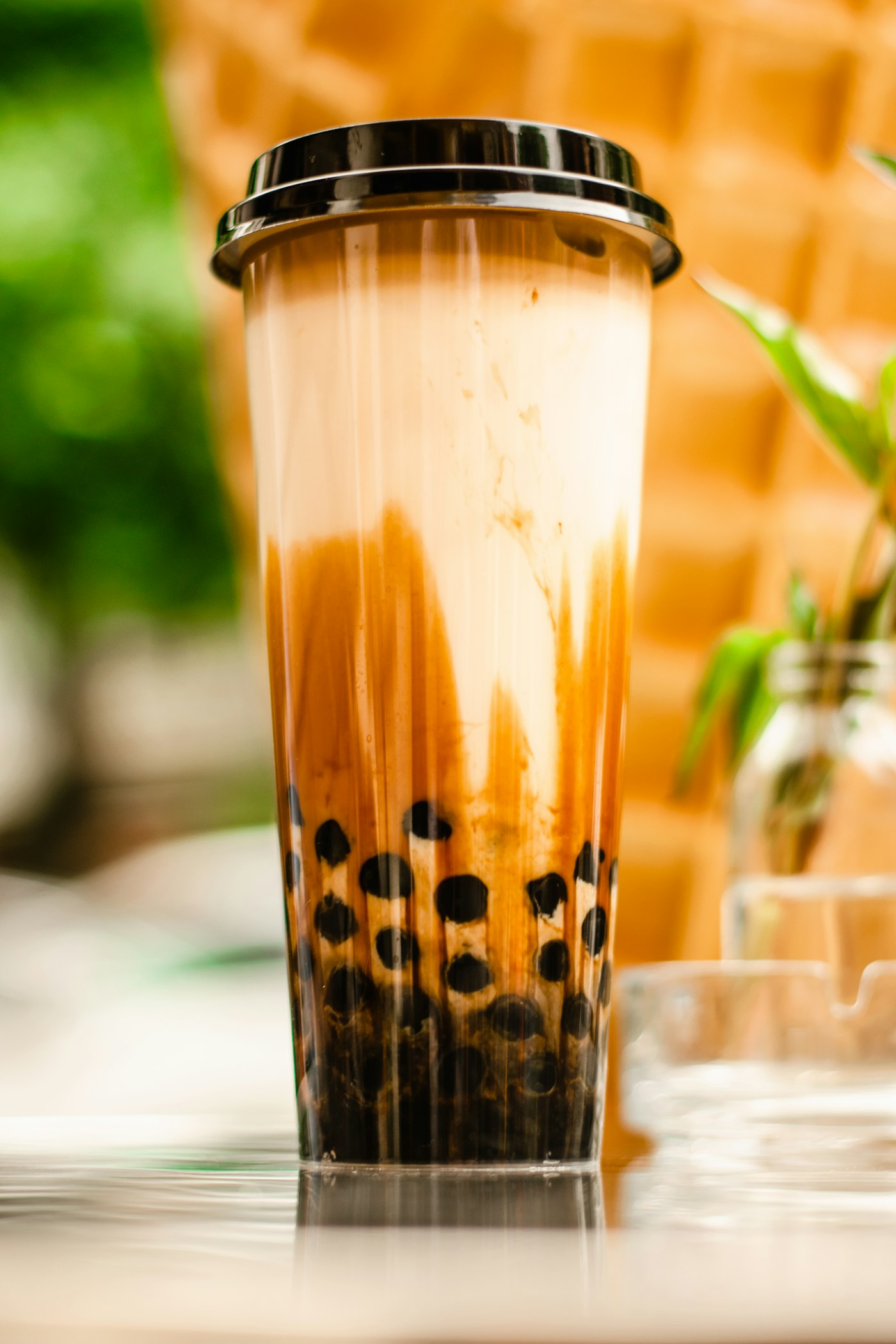
5. Why is it better suited to repeat purchase than to being just another short launch?
Because high-frequency products increasingly do not win by feeling “full.” They win by feeling smooth, stable, and easy to justify ordering again. Orange scent does not create the hardest first-sip impact, but it is very good at generating second- and third-order reasons to buy. On a given day, you may not want something milky, but also not a cup of tea with no expression. You may want fruit character, but not explosive sweetness. You may want something suitable for daytime carrying, but not something as flat as a bottled drink. Orange scent gives a surprisingly complete answer to that bundle of needs.
It works especially well for late morning, afternoon, commuting, and the middle stretch of workdays. Those moments rarely require maximum stimulation or maximum indulgence. They usually require a drink that helps someone feel slightly more gathered. Orange scent can push a drink from “thirst relief” toward “state drink” without making it burdensome. For stores, that means it can become a stable member of a high-frequency lineup rather than just a pretty seasonal poster role.
More bluntly, many stores are now competing over the second cup, the afternoon cup, the commute cup, and the pre-meeting cup. Orange scent is ideal for those positions because it handles middle-layer demand well: not too sweet, not too sharp, not too heavy, yet still not anonymous. The brands that stabilize that middle layer are less likely to end up with menus split only between heavy indulgence and extreme plain tea. Orange scent is helping fill that middle band.
6. Where are the limits of this trend?
First, orange-scented tea is very easy to make prettier in wording than in the cup. Because it naturally carries attractive words like bright, daytime, light, and peel aroma, a store can win half the battle on naming and posters alone. But the actual product may not support that promise. If the tea base is not clean enough, sugar is too high, fruit aroma feels artificial, or the finish falls apart, orange scent slips quickly from “bright” into “empty bright.” Consumers may not explain the problem analytically, but they will dismiss it in the simplest and most damaging way: smells nice, drinks ordinary.
Second, orange scent does not automatically mean lighter or healthier. It is easy to read it as cleaner, brighter, and lower burden, but that is first an aesthetic and flavor impression, not a guaranteed nutritional conclusion. Real burden still depends on sugar, cup size, formula, and frequency. Brands can use orange scent to manage a more repeat-purchase-friendly position, but they cannot treat “orange peel brightness” as a universal pass that makes every formula automatically light.
Third, the more orange scent becomes a shared language, the more it tests a brand’s internal differentiation. If every store begins writing brightness, peel aroma, daytime feeling, commuter cup, repeatability, and refillability, the real difference will still come from who can explain the tea base clearly, who can distinguish the rhythm of larger cups from smaller cups, and who can build different landing points for different daily scenes. Orange scent is not a shortcut. It is simply a very promising new middle band. Whether it becomes an asset still depends on execution.
7. Why does this belong in the continuing changes of the 2026 drinks section?
Because it sits on the same map as several themes the site has already been tracing. Fruit tea’s return shows how fruit tea as a whole is being reorganized. Lower-burden large-cup iced tea shows how stores are turning long daytime drinking into a core line. Cooling-factor lemon tea shows how stores are turning “a bit more wakeful” into its own immediate-state sub-line. Large commuter cold tea shows how take-away, frequency, and daytime drinking have become structural questions. Orange-scented tea lands right at the intersection of those lines: it belongs to fruit tea, to daytime refreshing drinks, and to commuting, large-cup, second-cup, and desk-side refill scenes, while also fitting the broader urban, high-frequency, state-based logic of daily tea consumption.
In other words, orange scent matters not because it is an isolated hot word, but because it reveals where 2026 tea drinks are going: toward finer, lighter, and more stylistically layered organization. Brands are no longer satisfied with simply having fruit tea. They now have to answer what kind of fruit tea, what kind of freshness, what kind of daytime use, and what kind of state a cup belongs to. Orange-scented tea deserves attention because it pulls all of those questions forward at once.
In the end, orange scent is being noticed again in 2026 not because it is the loudest, but because it best represents this type of fine editorial rearrangement: menu differences that once looked like mere wording are being promoted into actual product lines. For mature stores, those smaller differences are often worth more than the bigger slogans.
Continue reading: Why fruit tea moved back to the center of fresh tea, Why stores are seriously managing lower-burden large-cup iced tea, Why cooling-factor lemon tea deserves its own article, and Why large commuter cold tea started making sense again in 2026.
Sources
- CHAGEE | Vitality fruit tea series
- CHAGEE | Oriental iced tea series
- Related in-site features on fruit tea, large-cup iced tea, cooling-factor lemon tea, large commuter cold tea, the second cup, and desk-side replenishment (March-April 2026).