Fresh tea observation
Why monk fruit tea drinks are worth writing about again in 2026: from gentle clarity and hot-drink friendliness to a modern Chinese light-care drink for night, seasonal change, and moments when you do not want anything too sharp
If the past two years of fresh tea have already made the breakfast cup, the second cup, the after-meal cup, the office refill, and the night drink increasingly precise, then another 2026 direction worth isolating is the monk fruit tea drink. Monk fruit is obviously not a new ingredient. In Chinese everyday food culture and home-style brewing, it is already deeply familiar. What matters now is that it is being translated into a more modern, lower-burden, and more occasion-specific made-to-order drink: for seasonal transitions, for late hours when people do not want anything too stimulating, for moments when the throat feels slightly on the mind, for muggy or dry days when a very sour or very icy drink feels wrong, or simply for times when someone wants a cup with some substance but without noise. What monk fruit is selling in this new round is not a hard wellness promise, but a soft Chinese logic of light care.
This matters because today’s tea market is not short of drinks that feel refreshing or energizing. What is actually scarce is the drink that feels gentle without being boring, present without being heavy, and caring without forcing the consumer to think of it as a functional beverage. Monk fruit stands almost exactly in that slot. It is not as sharp as lemon tea, not as immediately indulgent as thick dairy drinks, and not as task-oriented as true functional beverages. It is closer to a cup that organizes smoothness, light sweetness, and low stimulation into one thing. In a mature market, those narrower but more real needs are often the ones most worth managing seriously.
More importantly, monk fruit naturally carries a kind of easy-to-understand Chinese-language idea of taking care of yourself. Not in a medical sense, but in a life-rhythm sense: I talked a lot today and want something smoother; the air feels dry and I want something with a soft aftertaste; it is late and I do not want something very cold, sour, or aggressive; it is a seasonal transition and I want something neither too sweet nor too thin. Monk fruit works in these moments because it is not trying to win through impact. It wins by fitting the moment. And in 2026, that is exactly the kind of product logic more tea shops are beginning to operate seriously.
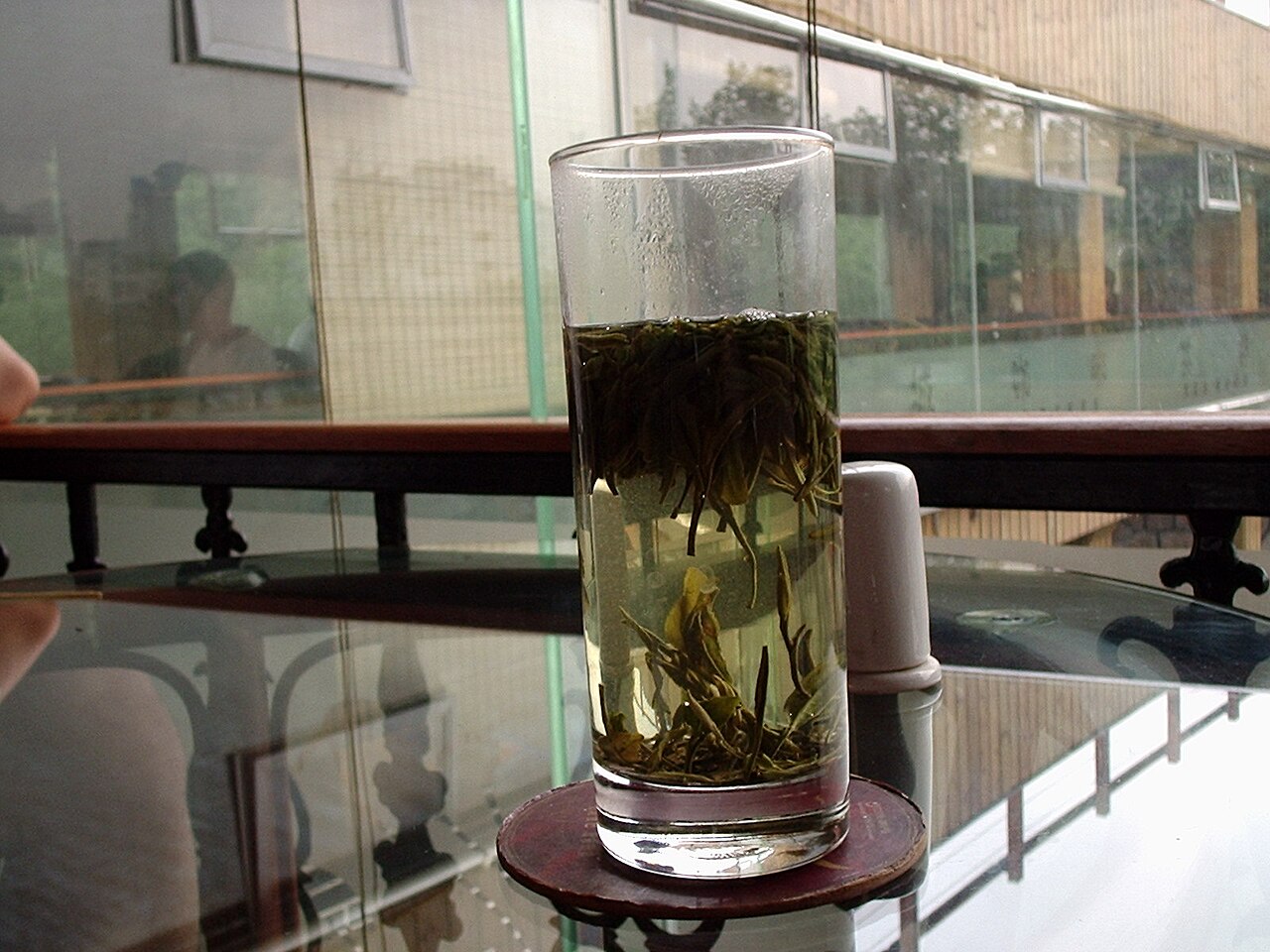
What this article is looking at
Core question: why monk fruit tea drinks are worth writing about again in 2026 Signals: monk fruit, gentle clarity, light sweetness, lingering sweetness, hot drinks, seasonal change, night drinking, chenpi, lemon, oolong, black tea, light-care feeling For readers trying to understand why some non-flashy Chinese ingredients are better suited than louder trends to becoming stable, high-frequency, occasion-specific long-term menu branches
1. Why now? Why is monk fruit moving from something people brew at home into something tea shops can seriously write again?
Because shops increasingly need not only new flavors, but smaller and steadier reasons to drink. Over the past few years many successful launches depended on first-sip novelty: brighter fruit, stronger acidity, heavier dairy, more visible layering, or more social-media-ready visuals. By 2026, both the market and consumers are more mature. People know much more clearly what they want at different times of day and in different bodily states. Monk fruit can return not because it is new, but because it is unusually good at answering specific-life-moment demand: it makes sense at night, during seasonal transitions, after a long day of talking, when the weather feels dry or stuffy, or when someone wants a drink that feels more substantial than water, lighter than milk tea, and softer than lemon tea.
That resembles how many durable tea lines actually grow. The drinks that last are often not the most unusual. They are the ones that enter daily life most naturally. Monk fruit has exactly that advantage. Its flavor logic—light sweetness, lingering softness, smooth drinking, a slight herbal-fruit-shell feeling, and strong suitability for hot and warm service—is not a simple sweet-drink logic. It is much closer to a Chinese drinking logic that cares about what happens in the later part of the cup. The point is not to shock the palate awake, but to let the whole drink still feel right after it is finished: the mouth feels cleaner, the throat feels a little easier, and the emotional pace settles. In a market increasingly focused on high-frequency reorder behavior and precise time-slot segmentation, that kind of after-drinking value is often more precious than first-sip impact.
That is also why monk fruit can be translated so effectively from a home-brew association into a modern store language. In the past it easily belonged to the world of household staples, herbal tea shops, chenpi, throat comfort, and older care habits. What stores want now is different: can it become a modern, reorderable, made-to-order tea branch? The answer is yes. It is familiar enough that education cost is low, distinctive enough that it does not blur into generic floral tea or sweet water, and well positioned between categories: more substantial than plain water, smoother than fruit tea, and lighter than thick dairy. That middle position is exactly where 2026 tea shops like to build.
2. What monk fruit tea drinks really sell is not efficacy, but a very Chinese feeling of smoothing, softening, and gently closing the cup
When traditional ingredients come back into fashion, the easiest mistake is to make them overly functional: formulas, old methods, care routines, wellness tasks. Monk fruit can fall into that trap very easily. But if it wants to stand inside fresh tea, it cannot depend only on sounding useful. Its real value lies elsewhere: it offers an experience that still works today and is hard for many other drinks to replace—a Chinese sense of smoothness, gentle clarity, and soft lingering sweetness. That phrase may not sound flashy, but it matters. It is not simply sweetness, not simply herbal taste, and not a sports-drink style functional statement. It is the feeling that after drinking, the mouth, throat, breathing rhythm, and general bodily pace all become a little smoother.
That is also what separates monk fruit from many modern fruit teas. Fruit teas are often especially good at front-loaded performance: the first sip is bright, acidic, fragrant, icy, and photogenic. Monk fruit is better at what comes later. It does not push sharp acidity to the front the way fresh lemon does, it does not emphasize sweetness and softness the way white peach often does, and it does not build presence through dense fruit power the way grape or tropical fruit can. Monk fruit moves backward through the cup. While drinking, you notice layers; after drinking, you notice that the mouth feels tidier, the throat feels easier, and the rhythm of the cup has helped you slow down a little. In a mature market, this kind of later-stage value is rarer than first-sip excitement.
That is exactly why monk fruit works best when written as a light-care drink rather than a hard-function drink. Light care means the consumer is taking care of themselves, but does not have to make the act sound heavy. It is not a task, not a regimen, and not a serious health plan. It is a small smooth action: today this cup feels more comfortable. That is precisely the kind of low-threshold, low-psychological-burden product tea shops are best positioned to manage. The real reason monk fruit is worth writing again in 2026 lies there.
3. Why is it especially suited to night drinking, seasonal transitions, after a lot of talking, and hot-drink service?
Because all of those moments are asking not for more stimulation, but for more smoothness. Night is the clearest example. Many people do not want something thick, heavy, and filling late in the day, and they also do not necessarily want a very sour, very icy drink that pushes the nervous system back upward. They want something with content, but without burden. Monk fruit works extremely well here because it has flavor without being a piled-on product; it can be served hot or warm; and it carries a slight feeling of taking care of yourself without becoming a task. What it sells is not excitement, but gentle reorganization—a cup that nudges the body from daytime into the next phase.
Seasonal transitions work the same way. At those moments many consumers have unstable drink desires: milk tea feels too heavy, fruit tea too sour, plain water too empty, and a true functional beverage too explicit. What shops need to offer then is something that looks and feels steadier. Monk fruit naturally carries that stability. It does not depend on the explosive visual seasonality of trendy fruit, and it does not overemphasize cooling. It behaves more like a buffer drink: when people are not sure what they want, it becomes one of the safest meaningful choices.
The same logic applies after a long day of talking or when the throat feels slightly on the mind. What matters here is not strict function but situational fit. Consumers may not be seeking an actual care protocol. They may just want a drink that feels more comfortable right now. If stores can write that moment accurately, monk fruit will often have a stronger reorder logic than drinks built only around immediate taste stimulation. It is not answering the question “do you want a burst?” It is answering “do you want to feel a little more at ease?” Those questions sound close, but their long-term value is very different.
4. Why does monk fruit become especially convincing when paired with chenpi, lemon, oolong, and black tea?
Because monk fruit’s best role is not to dominate the stage alone, but to build a rounder and more balanced frame for the whole drink. Next to chenpi, it clarifies the later-cup feelings of smoothing, settling, and lingering sweetness. Next to lemon, it softens lemon’s sharper brightness into a structure more suitable for warm service and longer sipping. Next to oolong or black tea, it extends the tea base’s existing cleanliness, aroma, and finish instead of simply smearing everything over with sugar.
That is also what makes monk fruit different from many ingredients with a herbal association. A lot of herbal materials quickly turn a drink into something that feels like a task beverage. Monk fruit does not. Even though it also carries herbal and traditional-brewing associations, its actual drinking impression is usually softer, rounder, and more easily connected to tea structure. That makes it especially suitable for drinks that still read as tea, rather than drinks where tea is only a transport layer. For 2026 tea shops, which increasingly care about tea-base identity, this matters a great deal.
In other words, monk fruit is an ideal structural supporting ingredient, but the result is not that it disappears. The result is that the whole product feels more complete. What shops are really managing is not isolated monk fruit flavor, but a broader drinking language more suited to hot drinks, night use, seasonal transitions, and light-care moments. Once that is understood, monk fruit is not hard to write well. The hard part is resisting the temptation to make it too functional, too old-fashioned, or too much like a household remedy.
5. Why is this line easier to build for the long term than many drinks that depend on being colder, sharper, and louder in summer?
Because its structure depends on stability rather than stimulation. Many summer drinks gain heat through strong acidity, extreme cold, visual impact, or a short-lived emotional mood. Those methods work, but their cycles are usually shorter. Monk fruit depends on a flatter but more durable need: today I want something more comfortable; today I do not want anything too sharp; today my throat feels a little on my mind; tonight I want something warm with flavor; today I need a drink that helps me settle rather than explode. For shops, a product that keeps being remembered at specific moments often has more long-term value than a short-lived talking point.
Long-term value here does not mean it becomes the hottest thing every day. It means it keeps being recalled in stable situations: when the air turns dry, after work at night, after a day of speaking a lot, during seasonal transitions, or when someone wants to step away from drinks that feel too caffeinated, too dairy-heavy, or too acidic. It may not be the first mainline answer, but it can become a very stable side line. And a clearly explained, quietly useful side line is exactly the kind of thing 2026 tea shops like to manage.
Monk fruit has another practical advantage as well: it is highly suitable for being written as “traditional, but updated,” rather than as something that must copy old formulas in full. Stores can write it lighter, lower in sugar, clearer in tea identity, more hot-drink-friendly, and more compatible with chenpi, oolong, black tea, lemon, lighter cup sizes, and low-burden positioning. In other words, it has a traditional base without preventing modern rewriting. For 2026 tea brands, that is almost the ideal material: familiar, but still organizable; traditional, but still open to renewal.
6. Where are the limits of this line? Monk fruit does not automatically mean premium, healthy, or universally loved
First, monk fruit is easy to mishandle into a dark sweet soup. Once sweetness gets too heavy, the tea base gets too weak, and the herbal structure gets too muddy, the drink quickly slides away from being a structured Chinese light-care tea and back toward the old problem of being deep-colored, heavy, and flat. That kind of monk fruit drink can still feel familiar, but it is much harder to sell repeatedly in today’s made-to-order tea market. Consumers now expect both lower burden and clearer layering.
Second, it is very easy to over-write monk fruit as wellness theater. The moment a store overemphasizes formulas, old methods, nourishing language, or throat care, younger consumers instinctively move it into the category of “something I drink only when I specifically need it” instead of “something I can easily order today.” The monk fruit tea drink that actually fits 2026 should suggest care without heaviness. It should make people feel that the cup is smoother and better suited to the moment, not more burdensome or more in need of explanation.
Third, it is not the answer for every consumer who wants maximum brightness, maximum acidity, or maximum direct fruit aroma. Its appeal is not in loudness, but in completeness; not in bursting open, but in settling the line of the cup. In that sense, its strength comes precisely from not being universal. Brands that understand this can position it accurately. Brands that try to make it at once the most fashionable, the most caring, the lightest, the most useful, and the most photogenic usually end up draining away its character.
7. Why does this belong inside the continuing changes of the 2026 drinks section?
Because it shows again that fresh-tea upgrading looks less and less like inventing a new taste, and more and more like placing long-existing taste structures into clearer life positions. Everybody already knows monk fruit. What matters in 2026 is not “monk fruit is back,” but “monk fruit has finally been written clearly again”: what time of day it suits, what states it fits, whether it is best as a hot or warm drink, and what kind of lower-burden consumption it belongs to. Once shops answer those questions well, monk fruit stops being only a traditional sign and becomes a durable modern menu branch.
If you connect it with related pieces on the site, the logic becomes even clearer. The return of hot tea drinks shows shops caring again about warm entry points. Night drinking shows that consumers do not want the same cup at night that they want during the day. Chenpi-like structures show that later-cup feelings of smoothing and settling are being taken more seriously. Lower-burden lines show shops increasingly trying to make “this feels easier to drink” a more stable value than raw stimulation. Monk fruit stands right where those lines cross. It may not be the loudest cup, but it may be one of the clearest signs that 2026 tea shops are getting better at reading Chinese everyday food-and-drink language.
At bottom, what monk fruit tea drinks reveal is a new standard for everyday beverages: the drink must not only taste good, it must also fit a moment; it must not only have flavor, it must also know how to close the tail of the cup; it must not only offer novelty, it must also give the consumer a reason that feels right today. As long as those three demands remain real, monk fruit will not be only a short-lived traditional comeback. It will remain a drinks branch worth tracking.
Continue reading: Why hot tea drinks moved back to the front in 2026, Why tea drinks are becoming night drinks, Why chenpi feeling became worth writing again, and Why “easier to drink” tea lines are being managed more seriously.
Sources
- Guming official site
- CHAGEE product page
- Synthesized observation based on 2026 Chinese internet and chain-tea menu language around light-care drinks, hot drinks, night drinking, gentle clarity, chenpi, monk fruit, and lower-burden Chinese-style beverages.