Fresh tea drink observation
Why gardenia iced tea started moving from floral side note to clear main line in 2026: from Molly Tea’s Gardenia Iced Tea to a cleaner, cooler, but not empty menu middle language
If you line up tea-drink menus across the spring-to-summer transition in 2026, one easily overlooked shift is that gardenia is moving from a casual floral supporting note toward a clearer iced-tea branch. It does not have matcha’s loud discussion power, and it does not carry osmanthus’s instantly familiar sweet Chinese memory. But its menu position is becoming more concrete. Molly Tea directly places “Gardenia Iced Tea” inside its floral iced-tea sequence and describes it as a tea-based drink that blends orchid-like aroma and gentle fragrance into a clean, refreshing finish. This change is worth isolating not because gardenia suddenly became new, but because tea shops have rediscovered something useful: gardenia is especially good at making cold tea feel clearer, cooler, and more composed without draining it of personality.
Over the past few years, made-to-order tea has already run through many rounds of “lightness”: lighter milk structures, lower sugar, shorter ingredient lists, tea-base identity, Oriental iced tea, floral fresh tea, cold-brew feeling, hydration-coded drinks, post-meal positioning. The deeper the category moves into that territory, the more it runs into the same problem: once everyone becomes lighter, cleaner, and more tea-forward, what can still communicate “this is clean but not boring,” “this is refreshing but not blank,” or “this has floral aroma without turning perfume-like”? Gardenia happens to be very good at solving exactly that problem.
It does not work the same way as jasmine, osmanthus, or magnolia. Jasmine is more mass and foundational. Osmanthus is warmer and tied to sweeter Chinese memory. Magnolia is cooler, thinner, and more urban. Gardenia sits in a distinctive slot: it carries floral aroma, but also a slight sense of humid air, evening tone, and coolness. It can give a drink a clearer aromatic outline without changing the drink’s overall body the way thick juice or dairy would. That makes it unusually suited to today’s iced-tea line, because iced tea is always threatened by two failures: becoming too thin, or becoming too straight. Gardenia can add aroma, softness, and mood while leaving the clear-tea structure intact.

What this article looks at
Core question: why gardenia iced tea deserves to be separated from the broader floral trend in 2026 Signals: Molly Tea Gardenia Iced Tea, floral iced tea, Oriental iced tea, cool floral notes, clear-tea structure, high-frequency cold drinks, spring-summer transition scenes Who this is for: readers trying to understand why brands are investing in a menu middle language that has floral aroma, enough refreshment, a hint of coolness, and still avoids feeling empty
1. Why did gardenia iced tea begin moving from branch line to main line in 2026?
Because tea drinks are no longer satisfied with making products merely “lighter.” They now have to solve the harder problem of how to keep lighter drinks memorable. Clear tea, iced tea, lower sugar, fewer ingredients — all of that is still here. But as the category pushes further in that direction, a new sameness emerges. Once everyone is doing refreshment, “refreshment” itself stops being a differentiator. At that point, brands do not necessarily need a louder taste. They need a language that can restore outline and recall without increasing burden. Gardenia fits that position very well.
It does not create presence through shock, nor through oversized fruit, rich dairy, or heavy add-ons. It behaves more like a light floral layer suspended over the tea soup: not heavy, but clearly there; not sweeter, but making the cup feel smoother; not thicker, but giving a drink that might otherwise feel too direct a little curve and pause. For tea shops in 2026, that ability is valuable because high-frequency cold drinks do not primarily need a dramatic first sip. They need to feel smooth, repeatable, and worth ordering again.
Gardenia’s rising importance also reflects the increasing maturity of floral systems themselves. Shops no longer just say they do floral tea. They now need to keep subdividing: which floral note works best in fresh tea, which in light milk, which in iced tea, which feels sweeter, which feels cleaner, which feels cooler and better suited to refreshment? Gardenia iced tea is worth isolating because it is starting to answer that exact question. Among floral notes, gardenia is especially good at becoming the answer to “floral, but still cold-drink sharp and drinkable.”
2. Gardenia is not really selling “flowers are blooming,” but a cool refreshing structure
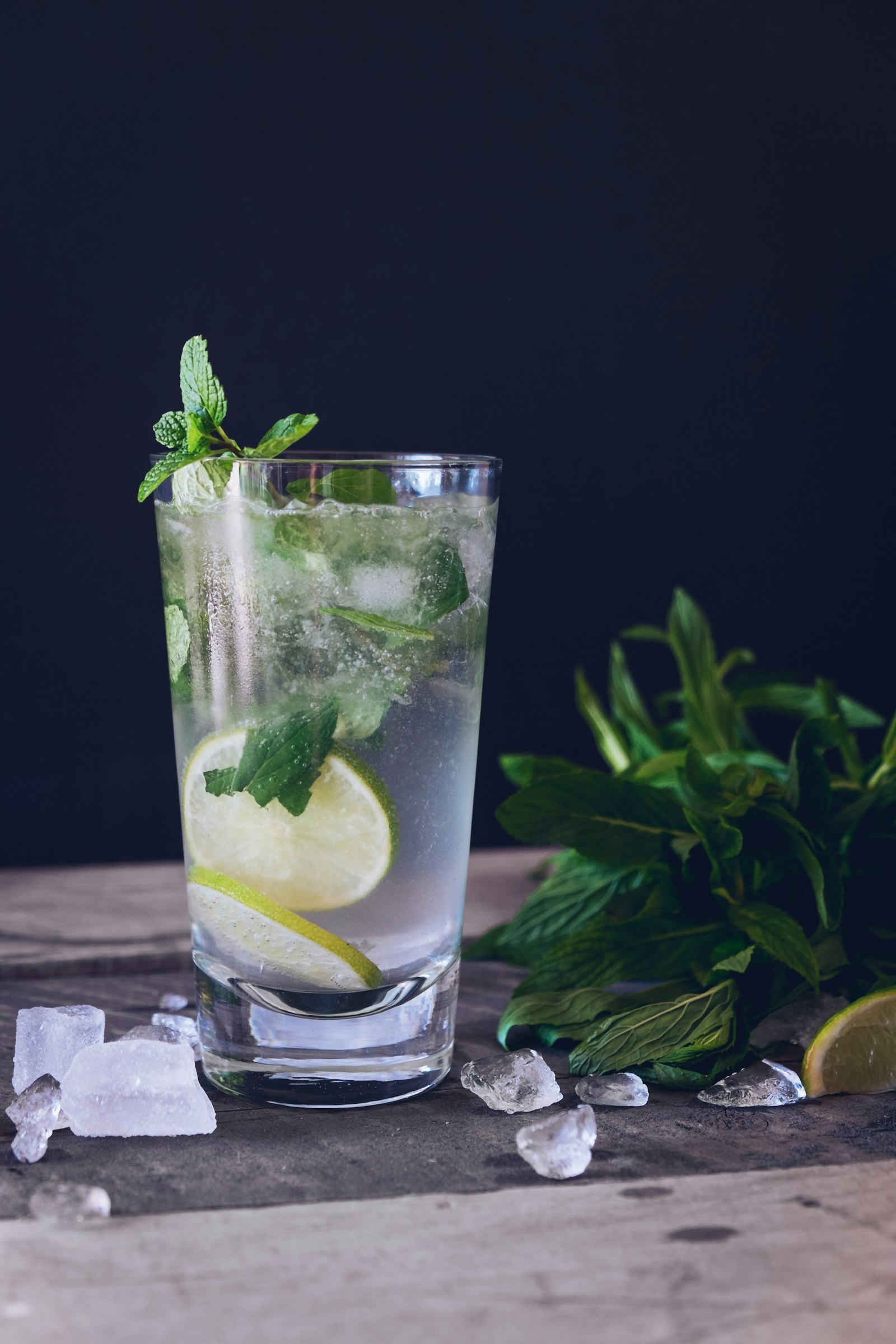
Floral products often lean on springtime words — blossoms, breeze, fresh air, early summer mood. But for gardenia iced tea, what really makes the line work is not seasonal atmosphere. It is structural value. Gardenia’s strength lies in giving a drink that might otherwise register only as “clean” or “light” a little more coolness, humidity, softness, and floral finish. In other words, it is not really selling sweet florality. It is selling cool florality. Not dense aroma, but aroma that lifts upward.
That matters especially in iced tea. For iced tea to work, it has to stay transparent and sharp. But if a brand pushes too hard in that direction, the product can quickly slide into the opposite problem: too thin, too direct, too expressionless. Gardenia functions almost like an editor of edges. It does not change the clear-tea base, but it keeps the cold drink from feeling too severe. It does not add sugar, yet it makes entry feel softer. It does not steal the tea base’s role, yet it lets aroma catch the consumer first. For stores, that is a smart form of upgrading because it sells perception rather than extra formula burden.
That is why gardenia fits so naturally into phrases like “clean and refreshing,” “gentle floral fragrance,” “cool floral tea,” “refreshing without emptiness,” or “iced tea with an air-like floral lift.” These are all ways of describing the same need: consumers want a drink they can take big sips of, reorder frequently, and fit into workdays or warming weather — but they do not want that drink reduced to pure function. Gardenia’s real strength is that it gives those high-frequency drinks a trace of aromatic personality.
3. Why does it fit floral iced tea especially well, rather than only floral fresh tea or light milk tea?
Because gardenia is especially good at handling florality inside cold drinks rather than inside dairy. Floral fresh tea can certainly use gardenia, and light milk tea can too, but iced tea amplifies what makes it distinctive. The reason is simple: iced tea depends more heavily on top-note aroma and clean finish. Gardenia’s coolness, airy feeling, and slightly evening-toned floral character feel especially natural there. Inside heavier dairy structures, by contrast, it can more easily fade into a pretty but less legible name.
Molly Tea’s own description is revealing here. The brand frames Gardenia Iced Tea as “tea-based,” blending refined orchid-like aroma and gentle floral fragrance, ultimately delivering a clean, refreshing finish. The key point is not the word gardenia alone, but the brand’s structural judgment. This is not a product using floral aroma to hide tea, nor one using floral aroma mainly to create sweet association. It uses florality to make the tea base feel more layered while still returning to cleanness and refreshment. In that sense, gardenia is not a burden. It is a structural modifier.
That is exactly why it works so well in floral iced tea. The iced-tea line needs high frequency, direct drinkability, smoothness, and suitability for hot weather and workday repetition. What gardenia contributes is a scent layer that is more expressive than pure clear tea, but far more restrained than heavier floral milk tea. It does not make the drink smell like perfume, and it does not drag the whole cup back toward dessert or dairy. It leaves iced tea in a very contemporary position: lighter, cooler, cleaner, but not boring.
4. Why is it becoming important together with Oriental iced tea, clear-tea identity, and cold-brew feeling?
Because all of those lines are trying to solve the same larger problem: how can tea shops turn “lighter drinking” into a truly manageable product system? Oriental iced tea is about rebuilding identity for cold tea bases. Cold-brew feeling is about letting coolness and tea presence coexist. Lower sugar and shorter ingredient lists are about lowering the barrier to daily drinking. Gardenia iced tea becomes worth tracking because it enters the overlap zone of those lines. It supports “lighter” while preventing “lighter” from sliding into “emptier.”
More realistically, many consumers no longer judge drinks only by whether they taste good. They also judge whether a cup suits today’s weather, commute, work rhythm, or bodily state. Heavy drinks are harder to repeat. Very sweet drinks feel burdensome. Ultra-direct clear tea can start reading like a purely functional beverage. Gardenia iced tea offers a middle position closer to what might be called a “state drink”: it keeps the large-sip refreshment and transparency cold drinks need, while floral aroma gives the whole cup a little more warmth, mood, and air.
That is why gardenia iced tea connects so naturally to other themes already on the site — floral tea drinks, Oriental iced tea, cold-brew feeling, post-meal tea drinks. It is not a random new fad. It is a puzzle piece that becomes visible once menus reach a certain level of subdivision: brands begin investing seriously in products that do not win through heavy flavor and do not win through ultra-minimal pure tea either, but through fine flavor differences inside lighter structures.
5. Why is gardenia better suited than many floral notes to repeat purchase rather than just seasonal posters?
Because it does not depend on extreme emotional framing. Osmanthus is easily written as sweetness and autumn. Magnolia is easily written as urban coolness and white clarity. Jasmine can become a broad floral foundation. Gardenia behaves more like a quiet but extremely practical middle-layer note. It may not dominate the first poster glance, but in actual drinking it can feel smooth, drinkable, and naturally worth ordering again. For stores, that is crucial, because stable money is often made less by the most theatrical item than by the one that enters daily rhythm most naturally.
It is especially suited to afternoons, commuting, rising temperatures, post-meal scenes, and that very common mood of “I want something refreshing today, but not something too blank.” In other words, gardenia iced tea stands right on top of high-frequency middle-layer demand: for people who do not want milk, do not want something too sweet, do not want heavy fruit, and do not want a tea that feels expressionless. Its value lies not in pulling consumers toward one extreme preference, but in expanding how many people a refreshing tea drink can still catch.
Put differently, gardenia is very good at giving refreshment some character. That is the core reason it fits repeat purchase. High-frequency products do not always need the biggest memory point, but they do need a stable micro-memory point. Gardenia offers exactly that kind of subtle but durable recall: more aromatic than pure tea, less noisy than fruit tea, lighter than milk tea, and more expressive than water-like refreshment. For operating a menu over time, that kind of difference is often more durable than louder one-time trends.
6. Where are the limits of this trend?
First, gardenia iced tea is very easy to make into something whose name is better than its liquid. The word gardenia itself already carries scent, season, and aesthetic associations, so brands can gain an advantage through naming, visuals, and copy before the drink proves anything. But if the tea base is unclear, the sweetness too heavy, or the aroma too superficial, the product quickly collapses into a familiar failure: it smells floral, but drinks like ordinary sweet iced tea. Gardenia is not automatically refined. It is simply easy to write as refined. Whether it truly works still depends on execution.
Second, gardenia also does not automatically equal healthier or lower burden. It is certainly easier for consumers to read it as fresher, lighter, and cooler, but that is first a flavor perception, not a nutritional conclusion. Real burden still depends on sugar level, cup size, and overall formula. A brand can use gardenia to manage a more repeatable position, but it cannot treat “gardenia floral” as a universal pass that makes any recipe lighter.
Third, gardenia is hard because of scale. If handled too lightly, only the name remains. If handled too strongly, the floral note can start overwhelming the tea base. Its best state is one in which the floral aroma is present, the tea is still present, and the cold-drink sharpness is still present too. Once any of those three drift out of balance, gardenia quickly slides from “refreshing without emptiness” toward either “aroma without backbone” or “clean but contentless.” That is exactly why the line remains worth watching: the lighter a flavor seems, the more complete its construction must be.

7. Why does this belong inside the broader 2026 drinks map?
Because it belongs to the same larger map as several shifts the site has already been tracing: floral tea drinks returning to the main line, Oriental iced tea becoming a standalone series language, cold-brew feeling entering tea-drink description, and post-meal tea drinks becoming a stable occasion. Together these changes point to the same thing: brands are reorganizing what kinds of tea drinks make sense in contemporary daily life. The rise of gardenia iced tea suggests that stores are paying more attention to the flavor middle layer that can support warm weather and repeat drinking without making products feel empty.
That is exactly why it deserves an article. It is not the most explosive new phrase, but it explains the current direction of the category very clearly: from louder innovation toward finer stratification; from “do we have floral tea” toward “which floral note suits which structure”; from “is it refreshing enough” toward “refreshing in what way, and does it still have content?” Gardenia iced tea is being noticed again not because it is the most dramatic line, but because it fits this newer logic of menu organization especially well.
In the end, 2026 tea drinks are learning to manage seriously the small differences that used to be treated as decoration. Gardenia iced tea is a strong example of that shift. It takes an expression that could easily have stayed inside a generic floral side branch and promotes it into an independently legible refreshing main line. For a truly mature menu, those smaller distinctions are often more valuable than the bigger slogans.
Continue reading: Why floral aroma became new tea’s most strategic language in 2026, Why brands began separating Oriental iced tea into its own series, Why more tea drinks are now emphasizing a cold-brew feel, and Why post-meal tea drinks are becoming a stable occasion.
Sources
- Molly Tea | Product categories
- Related in-site features on floral tea drinks, Oriental iced tea, cold-brew feeling, and post-meal tea drinks (March-April 2026).