Fresh tea drink deep read
Why Tea Drink Stores in 2026 Are Seriously Building a “Cold-Brew / Cold-Infused Tea Line”: They Are Not Selling a Thinner Iced Tea, but a Quieter, More Tea-Forward, and More Repeatable Summer Product Layer
If you connect the high-frequency changes surrounding fresh tea on the Chinese internet in 2026, one signal is easy to underestimate even though it is becoming more important: stores are increasingly careful about separating “iced tea,” “oriental iced tea,” “pure cold tea,” “cold-brew tea,” and “cold-infused tea,” and they no longer treat all of them as optional supporting items on a summer menu. Stores certainly sold cold tea before, but often as a fallback for people who did not want milk, fruit, or too much sweetness. By 2026 that has changed. The cold-brew / cold-infused line is no longer only a “lighter option.” It is being rewritten as an independent product layer after real tea base, lower sugar, fewer toppings, ingredient transparency, and high-frequency repeat-purchase logic have all become more established. What it sells is not “less flavor,” but a cleaner way to keep tea in the cup while organizing summer drinking around commuting, office refills, after-meal refreshment, and repeated everyday consumption.
This is really an extension of the same structural shift that several earlier site pieces have already been tracking. We have written about tea bases gaining identity, why lower sugar became a main line, why more tea drinks are cutting toppings, why oriental iced tea is being separated into its own series, why stores are seriously competing for the second cup, and office-survival tea drinks. Behind those apparently scattered topics sits the same restructuring: menus are being pulled away from the older logic that every cup has to feel more loaded, sweeter, and more instantly stimulating, and toward a more layered system. Some products are built for first-glance attraction, some for social spread, some for seasonal buzz, while the cold-brew / cold-infused line increasingly looks like the foundation that stabilizes repeat purchase, scene fit, and trust in tea itself.
That is why the real question is not “has cold-brew tea become popular?” but: why, specifically in 2026, are stores willing to operate a line that looks less noisy, less sweet, and less like a conventional blockbuster? The answer is that the market has reached the stage where it actually needs such a line. Once many brands have learned how to make drinks lighter, more tea-forward, and less burdensome, the next competition is no longer only about who can create the loudest hot seller, but who can make consumers willing to buy tea back in more ordinary, higher-frequency moments.
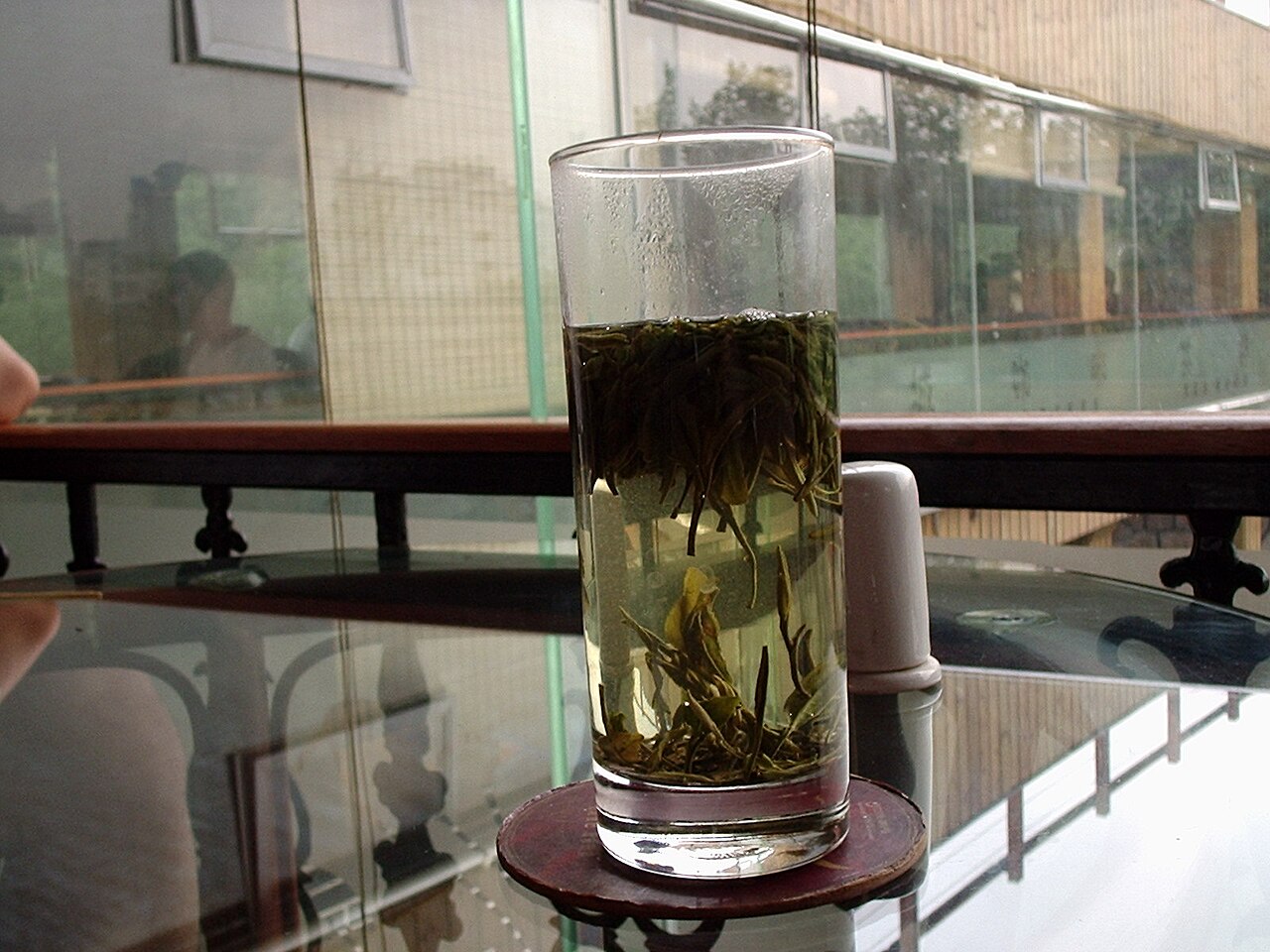
1. Why is it precisely now that stores are seriously operating a cold-brew / cold-infused tea line?
Because the previous phase of fresh tea has already completed much of the subtraction work. Over the past two or three years, one of the clearest industry shifts has been a move away from density and stacking: fewer toppings, less overly thick dairy texture, less high-sugar expression, more real tea base, more ingredient explanation, and more body-language narratives built around “don’t feel too heavy after finishing.” Those changes are real, and they have also trained consumers into becoming more willing to accept tea flavor and to discuss differences between tea bases. But once this subtraction reaches a certain point, a new question appears: if everyone is talking about lighter, cleaner, and more tea-like drinks, how does a store continue to create hierarchy? One answer is to pull out the line that is most directly tea-like and operate it more explicitly.
Cold-brew / cold-infused tea is especially suited to that task. It does not establish presence through thickness the way traditional milk tea does. It does not rely on fruit aroma and visual impact in the way heavy fruit tea often does. And it does not come with built-in viral noise the way slushes, sparkling drinks, or co-branded products do. Its value is more restrained: it rewrites the tea base’s aroma type, finish, slight astringency, returning sweetness, low-temperature clarity, and drinkability in sequence. For some consumers this may sound less “exciting.” But for a store it means something crucial: a steadier high-frequency line. The moment someone begins to accept, “Today I just want something refreshing, not too sweet, and genuinely tea-like,” the store stops being only a reward destination and starts becoming part of an everyday drinking system.
In other words, the cold-brew line is being taken seriously not because people suddenly dislike drinks with more obvious content, but because stores have realized that a menu cannot be sustained forever by highly stimulating products alone. The products that truly raise drinking frequency are often not the loudest cups, but the ones that enter daily life most easily. That is the layer where cold-brew / cold-infused tea becomes important.
2. How is this different from the old menu item that was just “an iced tea sold on the side”?
The biggest difference is that many older cold tea products were only an outcome, while the current cold-brew / cold-infused line is an intentionally designed layer. Stores certainly used to sell iced black tea, iced green tea, and pure chilled tea, but these were often only subordinate choices beside milk tea, fruit tea, or signature items: the menu needed one lightest, plainest, most “for people who understand” item, so it sat there. But it was not always treated as a real operational focus, and it rarely came with a whole system of naming, structure, scene, and repeat-purchase logic.
The current shift is that brands are writing this line more explicitly. Is it oriental iced tea, cold-brew jasmine, cold-infused oolong, or a lightly fruited cold brew? Is it serving after-meal refreshment, afternoon commuting, office refills, or the consumer who says, “I don’t want something sweet today, but I also don’t want something with no flavor”? Is it there to emphasize tea-base identity, to carry lower-sugar logic, or to provide a lighter entry that still works as a second cup? These questions were not previously organized very clearly. Increasingly, brands are now answering them seriously.
That also means the cold-brew line is no longer just “the simplest cup.” It is increasingly “the cup that most clearly reveals a brand’s tea-base ability and its capacity for restraint.” Once you remove heavy dairy, large amounts of sugar, complex toppings, and decorative visual structure, what remains in the cup becomes very honest: whether the tea stands up, whether the aroma is clear, whether it collapses at low temperature, whether the sip is smooth, and whether the second half of the cup falls apart. Brands once had many outer structures that could hide these issues. The cold-brew line pushes them to the front.
3. Why does this line naturally stand together with “real tea base,” “lower sugar,” and “fewer toppings”?
Because these three lines are all pulling the drink back toward tea itself. Tea-base identity is about consumers distinguishing jasmine, oolong, black tea, and Tieguanyin. Lower sugar is about sweetness no longer being able to carry the whole cup on its own. Fewer toppings is about content no longer being built mainly through chewable add-ons. Put those three shifts together and they almost naturally lead toward cold-brew / cold-infused tea: if you want to preserve tea while refusing to depend on sugar and toppings to fill the cup out, then the cold line that most directly displays the tea base has to become more important.
The line also has a very practical advantage: it is especially suited to the role of “lower burden, but not empty.” Much dissatisfaction with lower-sugar drinks is not really about the lack of sweetness itself. It is about the drink becoming hollow, thin, and forgettable. When cold-brew tea is done well, it can supply content in another way—not through sweetness, not through toppings, but through lingering tea aroma, clearly felt chill, sip rhythm, and a complete finish. Its satisfaction is less dramatic, but steadier, and much easier to turn into habit.
So cold-brew / cold-infused tea is not some isolated new category that appeared outside these trends. It is more like the next layer that naturally floats upward once the market has already moved far enough toward more real tea and less burden. If consumers are already willing to accept “more tea, less load,” then sooner or later stores will seriously operate the line that states that value most directly.
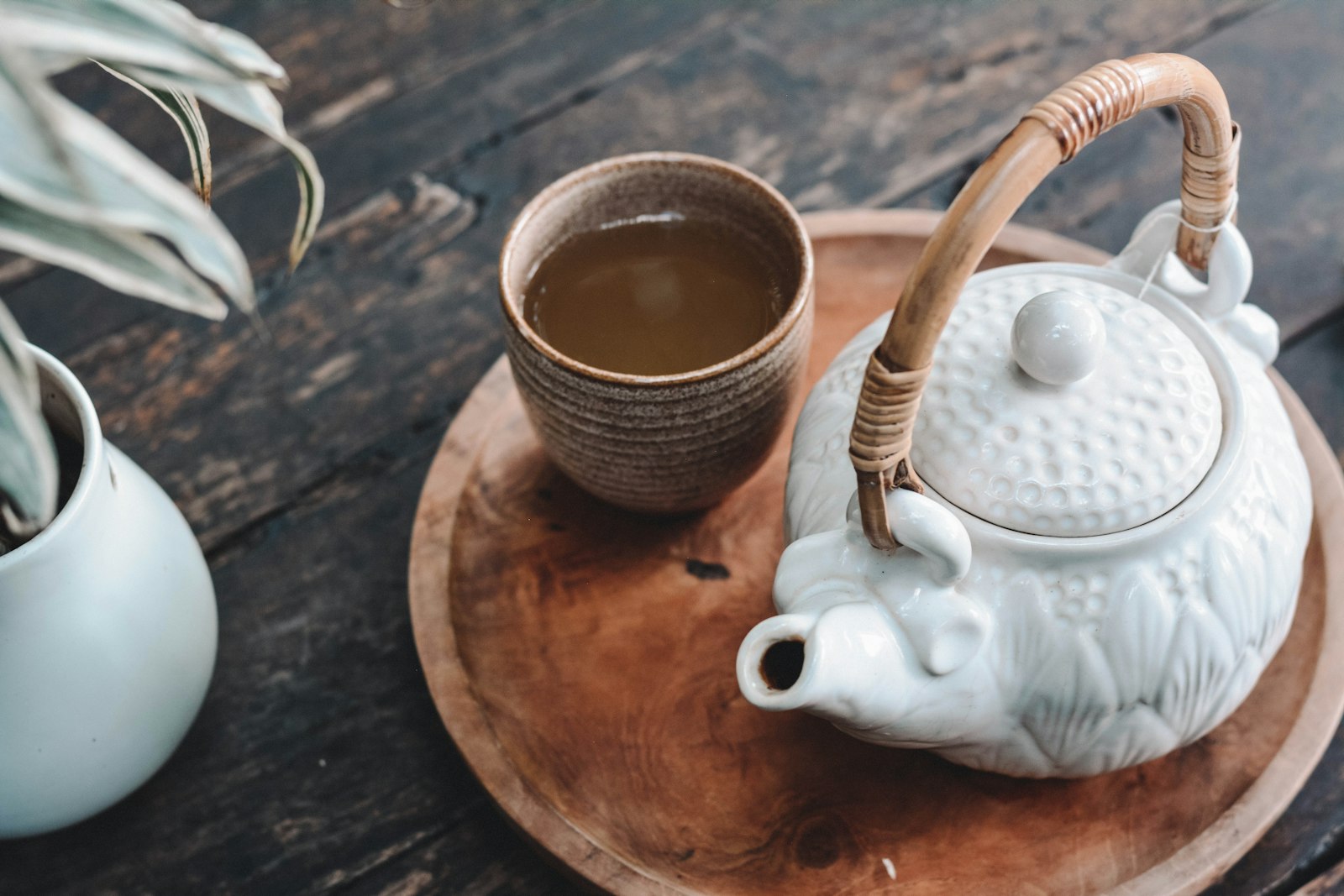
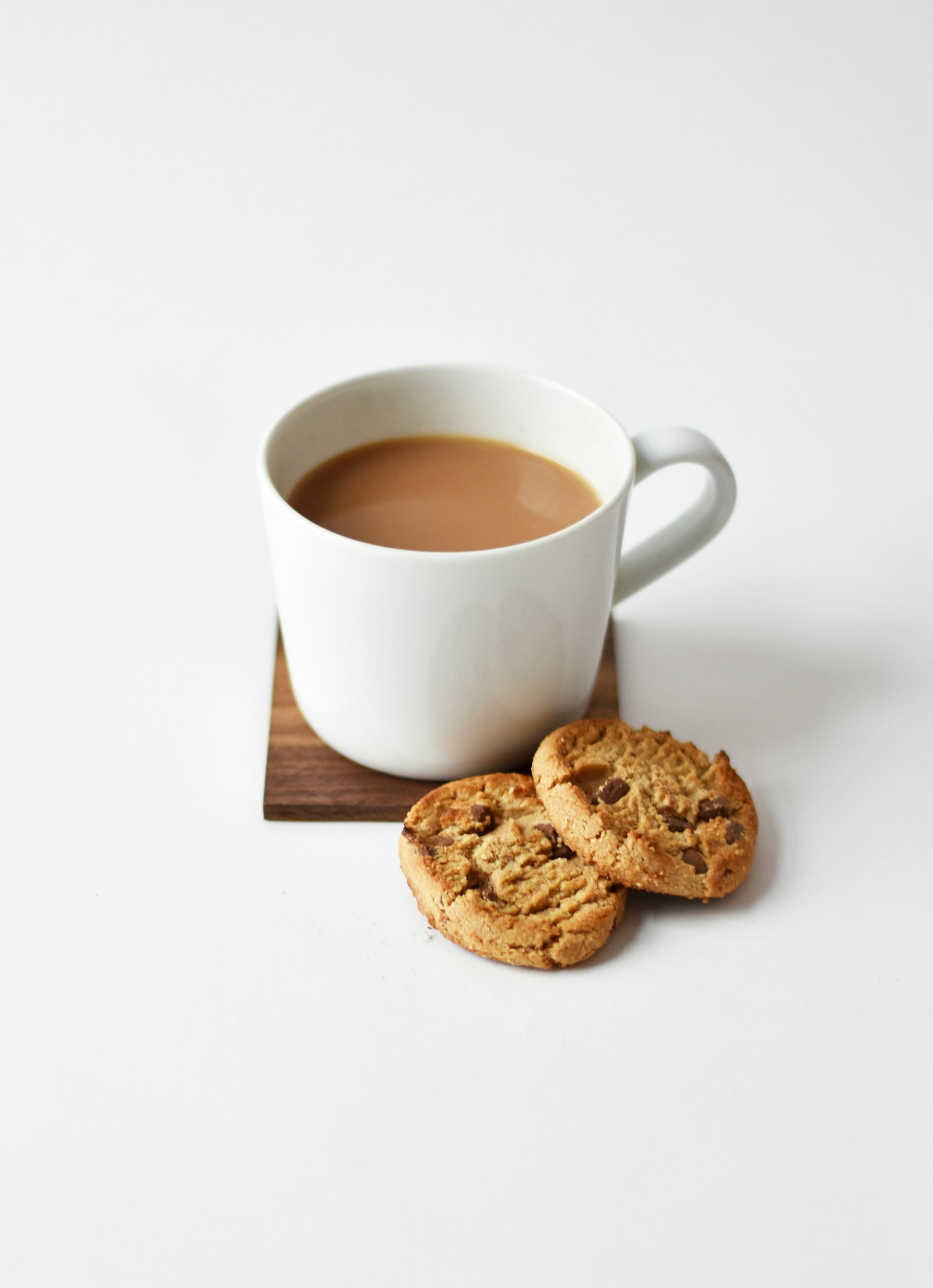
4. Why is this line especially suited to scenes like “the second cup,” “office refills,” and “the commuting cup”?
Because what these scenes fear most is not insufficient stimulation, but too much weight, too much richness, and too much one-off consumption logic. We have already written about the battle for the second cup and office-survival tea drinks, both of which point in the same direction: fresh tea brands do not only want to pull people into the store once, but to divide tea drinking into several more reasonable moments throughout the day. The first cup may be allowed to be louder. The second often cannot. The cup you buy while wandering outside may tolerate more stimulation; the cup that sits on an office desk usually needs to be smoother, lighter, and easier to keep drinking without discomfort.
Cold-brew / cold-infused tea naturally fits these scenes because it does not ask the consumer to invest a large emotional budget in a single drink. You do not need to wait until “today I deserve a reward.” You do not need to wait until “today I specifically want something sweet.” You do not need to order it as social material. It behaves more like a stable everyday entry: it is hot, so have one; before a meeting, have one; after lunch, have one; in the afternoon when you want to wake up without feeling too heavy, have one. Once a brand seriously operates this line, what it is really competing for is a deeper position: whether the store has earned the right to enter your ordinary daily routine.
That is also why the line matters strategically. Hot sellers certainly bring noise, but what truly raises purchase frequency and retention are often products that require less decision cost. The cold-brew line offers exactly that kind of choice: lower decision cost, lower body burden, but still not entirely boring. It can become one of the easiest default orders on a menu, which is extremely valuable in high-frequency retail.
5. Why is it not the noisiest topic on the Chinese internet, yet increasingly worth writing about?
Because observation of tea drinks on the Chinese internet is shifting from “look only at the most eye-catching new flavors” toward “look at what kind of structure stores are seriously operating.” For a long time, the most easily spread topics were still collaborations, strange flavors, blockbusters, overloaded toppings, extreme visual appearance, and strongly seasonal new products, because these are easier to turn into instantly legible talking points. The cold-brew / cold-infused line works almost in the opposite direction: it often has no exaggerated color, no thick stacking, no one-sentence gimmick, and may even look intentionally clean.
But precisely because it does not rely on those things, it exposes a brand’s real operational direction more clearly. If a store begins to seriously write cold-brew jasmine, cold-infused oolong, lightly fruited cold tea, or an oriental cold-brew series into its menu—if these drinks stop being hidden in a corner as basic utilities—that suggests the brand is not merely chasing isolated buzz items. It is trying to build a fuller hierarchy of tea drinking. For content observation, that kind of shift has much more long-term value than “there is another strange new flavor,” because it signals attention to repeat purchase, time slots, frequency, and the rewriting of tea itself back into the store’s everyday system.
So the cold-brew line may not always be the loudest hot topic, but it is a deeper signal. It tells us that competition in 2026 is gradually moving from “who can create the stronger burst point” to “who can operate order better”—who can turn a menu into a drinking system that holds across different intensities, times of day, and bodily states. Cold-brew / cold-infused tea is one very important layer in that system.
6. Why does this line actually test brands more, rather than less?
Because the fewer things there are, the lighter it becomes, and the quieter it looks, the harder it is to hide problems. Heavy sugar can cover rough edges. Heavy dairy can prop up hollowness. Toppings can create an illusion of content. Strong fruit flavor can cover instability in the tea base. But cold-brew / cold-infused tea removes a large share of those supports. What remains is real skill: whether the tea choice is right, whether low-temperature extraction produces clear aroma, whether the second half of the cup holds together, whether chill suppresses aroma too much, and whether bitterness and astringency become overly obvious when sugar is restrained.
It also tests a brand’s sense of boundary. With even a slight misstep, the cold-brew line can fall into two extremes: either it becomes too weak and consumers feel they bought “more expensive water,” or, in order to avoid weakness, the brand secretly adds too much sugar, aroma, or flavor until the drink turns back into an ordinary beverage wearing a cold-tea shell. A truly good cold-brew line does not make people say, “Wow, that is intense.” It makes them finish the whole cup and think, “That was smooth, and I would willingly order it again.” That kind of value is not flashy, but it is difficult.
So although the line appears to be about subtraction, in practice it raises the standard. It asks brands to understand tea bases more deeply, to understand how aroma performs under low temperature, to understand the rhythm of high-frequency consumption scenes, and to understand how to create a stable purchase reason without relying on excessive ingredients or loud packaging.
7. Where is this line most likely to go next: not into becoming everyone’s starring item, but into becoming the support beam of more menus
My judgment is that the cold-brew / cold-infused line will probably not become a single unified blockbuster direction in which every brand treats it as the absolute protagonist. What is more likely is that more and more brands will seriously integrate it into the menu’s basic layer, while it develops into different branches in different systems. Some will lean more toward pure chilled tea, making jasmine, oolong, and black tea more distinguishable. Some will lean toward lightly fruited cold brews, where fruit only lifts the tea instead of overtaking it. Some will lean toward commuting and office scenes, writing larger cups, lower sugar, clean finish, and drinkability into a stable daily order. Others will connect it to oriental iced tea, lighter dairy tea, or after-meal tea drinks as linked structures.
That is exactly where its value lies. It may not be the line that creates the most visible burst point, but it is highly suited to stabilizing menu architecture. As long as the market keeps moving toward higher frequency, lower burden, more real tea base, fewer toppings, and finer division of everyday scenes, stores will increasingly need such a line. However noisy a menu becomes, one layer must still allow people to keep drinking day after day. Cold-brew / cold-infused tea is naturally well qualified to compete for that position.
In other words, the future of this line may not be “the reddest,” but very likely “the one a mature menu cannot do without.” It may not always sit at the center of a poster, but it will increasingly resemble a stable layer every developed menu has to contain—one that catches consumers who do not want too much sweetness, do not want too much thickness, but do still genuinely want tea; and one that helps a brand prove, through products rather than slogans, that it does more than make noisy hits.
8. Why does this deserve to be written into the ongoing changes of Chinese fresh tea in 2026?
Because the serious operation of the cold-brew / cold-infused line shows that the industry is moving from “making things lighter” toward “making lightness itself layered.” In the previous phase, everyone already learned to reduce sugar, reduce burden, reduce toppings, and emphasize tea base. The harder next question is this: once those directions hold, how does a menu keep creating layers, repeat purchase, and higher everyday frequency? The cold-brew line provides a very typical answer. It does not build another giant hot point. Instead, it rewrites an entry that used to be neglected—the cold tea cup—into a more stable central product.
From tea-base identity to lower sugar, from fewer toppings to oriental iced tea, the second cup, office-survival tea drinks, and now the cold-brew / cold-infused line, all of these are really saying the same thing: modern tea does not only need to sell what is new. It also needs to sell what can be drunk continuously. And every menu that truly wants to last has to answer the same question: besides the cup that is most photogenic, most postable, and most reward-like, can you still give consumers a tea they are willing to buy again on an ordinary workday, in ordinary heat, on an ordinary afternoon? If the answer is yes, then the cold-brew line is no longer a supporting role. It becomes evidence of a mature store’s operating ability.
Extended reading: Tea bases are beginning to gain identity, What sits behind the lower-sugar tea-drink wave, Why more tea drinks are cutting toppings, Why “oriental iced tea” is being separated into its own series, Why stores are seriously competing for the “second cup”, and Why tea drinks increasingly resemble office-survival supply.
Sources and references:
- CHAGEE official website (public brand framing around premium tea leaves and handcrafted tea drinks)
- Guming official website (public brand language around high-frequency everyday tea drinking)
- HEYTEA official website (public menu and brand-positioning entry points for modern tea drinks)
- Existing site features on tea-base identity, lower sugar, fewer toppings, oriental iced tea, the second cup, and office-survival tea drinks (March–April 2026)