Fresh tea observation
Why wampee deserves a place in 2026 fresh tea: from the familiar salty-sweet-sour aroma of Lingnan street life to a small-cup, clear-headed tea drink better suited to after meals, hot weather, and the night
If you read 2026 spring-summer tea menus alongside discussions of regional flavor, one shift becomes increasingly clear: the fruits most worth writing about are not always the sweetest, softest, or easiest to turn into oversized juicy hits. The more interesting fruits are often the ones that let a cup of tea take on a clearer scene and a more grounded local smell. Wampee is exactly that kind of subject. It does not come with the broad “gentle and easy” halo of white peach, grape, or mango, and it is not as automatically sharp and refreshing as lemon. It is more complex. Wampee carries a little acidity, a little light bitterness, and a trace of the salty-sweet preserved-fruit memory familiar in Lingnan street life. It combines regional specificity with a very clear after-meal, hot-weather, and night-time finishing function. That is why wampee deserves a place in the drinks archive in 2026. It is not here to make fruit tea sweeter. It is here to make fruit tea clearer, more precise, and more like the cup that feels exactly right in the everyday rhythm of southern Chinese cities.
This topic connects tightly with several lines already built on the site. It belongs with how regional flavors are being written into menus, because wampee is never only a fruit name. It also carries Lingnan street life, preserved-fruit shops, summer, night markets, and the familiar act of taking something slightly salty and sour after a meal to wake the mouth back up. It belongs with after-meal tea drinks, because wampee is better suited than many sweet fruits to the work of finishing the palate. And it belongs with small-cup logic and late-night tea drinks, because it does not need an oversized cup to justify itself. In fact, it often works better as a restrained drink with clearly defined flavor and a clean exit.
More importantly, wampee lets us see a very valuable direction in a mature market: the task is not to keep searching for ever more unfamiliar ingredients, but to write a familiar but underdeveloped position clearly. Wampee is not unfamiliar in Lingnan, yet it has never been consistently placed in modern chain-tea language with enough precision. What matters in 2026 is that it is beginning to move from “regional niche fruit” to “scene-efficient, clear-headed tea drink.” Once that translation holds, it stops being only a local seasonal emotion and becomes a branch that can actually be operated over time.

1. Why wampee in particular deserves to stand as its own tea-drink branch in 2026
Because it fills a slot that is relatively scarce in today’s fruit-tea system. Recent updates have mostly centered on fruits that are easiest to establish in the first sip: lemon for sharpness and stimulation, grape for density and color, white peach for softness and light sweetness, lychee for floral summer-night atmosphere, bayberry for short seasonal bursts. Wampee is not that kind of fruit. Its strength has never been “most instantly likable.” Its strength lies in a less common flavor path: mild acidity appears first, a trace of bitterness and finishing grip follows, and only then does a slower sweetness and preserved-fruit memory open in the back. That structure is naturally suited to a more mature, more specific kind of product rather than one-time noise.
It also has a practical advantage: low education cost, but strong recognition. For many southern consumers, wampee is not an encyclopedic fruit discovered for novelty’s sake. It comes with lived memory. Whether as fresh fruit, preserved fruit, salted wampee, or something associated with soothing the throat and waking the mouth, it is not culturally blank. Brands do not need to explain what it is from zero. They only need to explain why it belongs in the cup right now. That is very different from many fruits that require repeated social-media demonstration before consumers know how to place them. Wampee holds a valuable position of “familiar, but not over-written,” and that is exactly what a mature market can use.
More importantly, it fits closely with what consumers now increasingly care about: finishing structure and second-stage drinking. Many drinks are ideal when people are thirsty, looking for quick satisfaction, or ready to gulp down a large cup. Wampee is better suited to the moment after eating, after walking in the heat, or late at night when someone wants something with character but not something heavy. In other words, it does not try to dominate the whole day. It writes a few specific time slots very accurately. In a 2026 menu system that keeps getting finer and more segmented, ingredients like that matter a great deal.

2. What do wampee tea drinks really sell? Not sweet-fruit satisfaction, but a more clear-headed finishing fruit tea
When many fruits enter fresh tea, the easiest qualities to amplify are sweetness, aroma, juiciness, and visual force. Wampee is not strongest at those things. What it really does well is provide a finishing structure with a waking-the-mouth quality. That does not mean the harsh stimulation of an energy drink. It means the mouth feels lightly reorganized: some acidity lifts the front, a small but memorable trace of bitterness arrives in the middle, and a slower aftertaste holds the cup together at the end. It does not push pleasure to the front the way sweet fruit teas do. It behaves more like a drink with rhythm, layers, and a stronger second half.
That is why it works especially well after meals. After eating, many people do not want another thick, sweet, dessert-like drink. They want something that can gently pull back the oiliness, sweetness, and heaviness left in the mouth. Lemon tea can certainly do that, but wampee does it in a softer and more complex way. It is less like a straight blade and more like a rounded tool that gradually resets the palate. For stores increasingly interested in sharper daypart logic, that kind of “not the strongest, but very accurate” product ability is often more valuable than simple force.
If many fruit teas are still trying to win with the first sip, wampee is closer to a drink that wants the whole cup to hold up. It cannot depend only on the opening note, and it cannot rely only on regional-flavor naming. The tea base cannot be too weak, or the cup turns into vague acid-sweetness; sugar cannot be too high, or the fruit’s precious slight bitterness and finish are erased; and the ice cannot be too aggressive, or only coldness remains. In that sense, wampee tea drinks really sell completeness achieved through restraint rather than satisfaction produced by piling things on.
3. Why does wampee work especially well with light oolong, jasmine green tea, and clear iced-tea structures?
Because wampee’s strongest ability is not to overpower tea, but to help tea stand up more clearly in the back half. Fruits such as mango, pineapple, or passion fruit quickly become the only lead once their ratio rises a little. Wampee is less aggressive. It acts more like a thin layer carrying fruit aroma, slight bitterness, and regional memory across the surface of the tea. The drinker notices something distinctive first, then returns to the tea base. That order matters a lot to stores increasingly serious about building fruit teas that still read as tea.
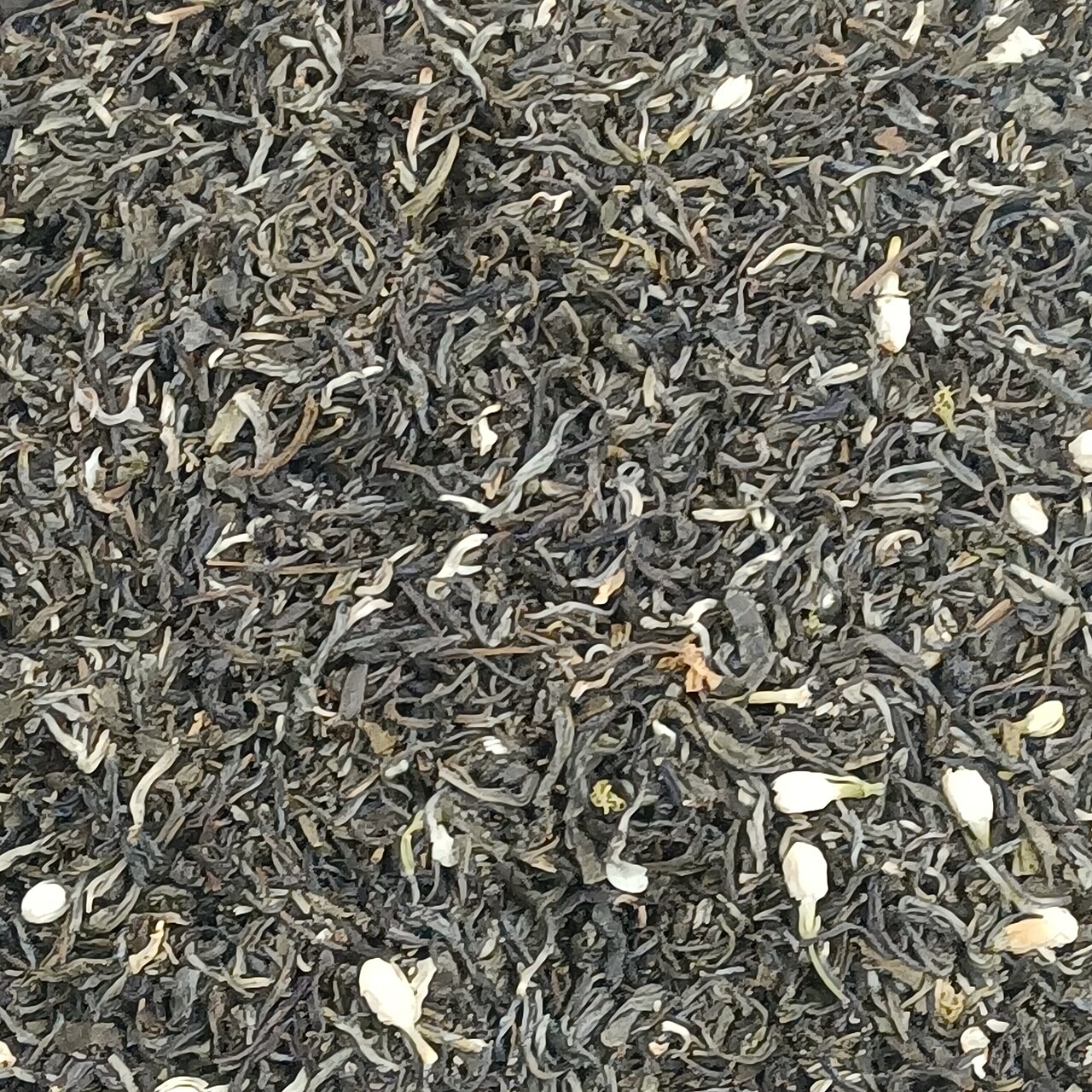
It works especially well with jasmine green tea, pearl green tea systems, fresh aromatic oolong, and other transparent floral tea bases. These teas are not built around roast, heaviness, or dairy-compatible thickness; they are built around clarity, brightness, lift, and clean texture. When wampee stands with them, it does not drag the drink toward a juice logic. Instead, it helps build a structure in which the front carries fruit memory, the middle reveals tea, and the end closes cleanly. That is very well suited to the broader 2026 shift toward fruit tea that reads more like tea and less like sweetened juice.
That is also why wampee is best understood as a fruit that helps tea character move to the front rather than one that suppresses it. It is not ideal for muddy, heavy, overloaded, topping-led drinks. It is not ideal with very dense milk logic, cream caps, frappes, or too many extras. Its value lies in transparency, restraint, and a little edge. Once it is forced into “huge cup, maximum satisfaction” logic, its rarest quality usually disappears.
4. Why is it especially suited to hot weather, after meals, night-time, and small-cup frequency?
Because wampee carries a strong second-stage quality. It is not the most efficient hydration drink for extreme thirst, and it is not the fruit most likely to spike emotion in one bright sweet hit. It is better after some walking in the heat, after a heavier meal, or late at night when someone wants something with content but not weight. Its slight bitterness and mild acidity make it naturally good at resetting the palate and tightening the overall feeling of the moment.
That also explains why it often works better than noisier fruit teas in a small cup. Small-cup logic is not just about reducing volume. It is about rewriting a drink as a lighter life action: one after a meal, one during an evening walk, one after late-night food. Wampee’s character gives it more credibility in those situations. What it sells is not excess, but exactness. In a 2026 menu that is becoming more mature, that kind of “just enough” often looks more like a long-term asset than “bigger, louder, sweeter.”
Night-time works in much the same way. In the evening, many consumers do not want a very sweet fruit tea, a heavy milk tea, or a thin iced drink that tastes only of coldness and flavoring. Wampee sits neatly between those options. It has content, but not heaviness. It has character, but not noise. It carries regional memory, but does not feel like a forced nostalgia assignment. For night-time consumption, that is often a very useful place to stand.
5. How does it relate to lemon tea, amla, and sour-plum-style drinks? Not replacement, but redistribution
Wampee tea drinks are not here to replace those already mature branches. More accurately, they redistribute roles. Lemon tea is better for directness, sharpness, and high-efficiency wake-up de-greasing. Amla is better for stronger astringency, a more stubborn southern street profile, and a very distinct “first tighten, then open” memory path. Sour-plum-style drinks are better for darker, more settled, more traditional Chinese sourness with deeper after-meal associations. Wampee stands between them. It is not as direct as lemon, not as severe as amla, and not as deep as sour plum. It is better written as a lighter, brighter middle branch that still carries obvious regional character and real finishing efficiency.
That matters a lot in a mature market. Real sameness is not everyone using the same fruit. It is everyone using different fruits to say the same few things. As long as every fruit tea can only be described as “refreshing, low burden, good for summer,” consumers will still mainly order by habit and location. Wampee matters because it lets brands break “refreshing” down further. It is not only coldness, not only acid, not only real fruit. It adds regional memory, after-meal logic, and a touch of light bitterness in the back half. What it contributes is not another layer of noise, but another layer of order.
So wampee is not a universal blockbuster key. It is a fruit especially good at repairing menu structure. It may not be the fruit that wins fastest at a glance on social media, but it can easily become the drink people remember as “very right for that moment.” In a 2026 drinks archive, that more mature kind of fruit is often more worth documenting than short-term heat.
6. Where are the limits of this trend? Wampee does not automatically equal sophistication or good taste
First, the easiest way to ruin wampee is to make it too thick in order to signal value. Its greatest strengths are clarity and finishing structure. Once the cup is loaded with too much puree, syrup, cream cap, or heavy toppings, it quickly turns from a clear fruit tea into a muddier sweet drink, and both regional character and slight bitter return disappear.
Second, it is also easy to make it too empty. Many stores hear “light,” “after-meal,” and “night-time” and respond by thinning everything out until only vague aroma and a lot of ice remain. That kind of product photographs well but does not invite repeat purchase. For a wampee tea drink to really work, it has to preserve the tea base, preserve a trace of bitterness, and preserve a clean after-feeling. Otherwise it is only a stylish regional name rather than a complete drink.
Third, wampee’s character and scenes are both very specific. That is a strength, but also a limit. It does not naturally fit every need. For extreme hot-weather hydration, strong daytime office stimulation, or moments that need very direct acid impact, lemon, salted lemon, sour plum, or other sharper palate-clearing lines may still work better. Wampee is better at entering life gently than at dominating every time slot. Brands that understand that can write it more accurately.
7. Why does this belong in the continuing changes of the 2026 drinks section?
Because wampee tea drinks show once again that today’s fresh-tea upgrade looks less like “inventing a completely new flavor” and more like “writing a familiar but underwritten position clearly.” Wampee is not unfamiliar. What is new is not that it can appear in a drink, but that it is finally starting to be placed consistently in the right slot: Lingnan flavor, hot weather, after meals, night-time, small cups, slight bitterness, transparency, and finish. Once those conditions stand together, wampee stops being only a regional fruit accent and becomes a sustainable branch on the menu.
If you connect it with earlier pieces on the site, the logic becomes clearer. Regional flavors explains why brands increasingly want to borrow from local food memory. After-meal tea drinks explains why consumers are taking more seriously the question of what to drink when a meal ends. Small-cup logic and late-night tea drinks explain why stores now care more about lighter actions, higher frequency, and more precise dayparts. Wampee stands right at the intersection of those lines. It does not have the loudest explosive force, but it may be one of the cups that best represents a menu becoming finer, more time-specific, and more rooted in local memory.
At bottom, what wampee reveals is a new standard for fruit tea: a drink cannot only be refreshing; it has to have structure. It cannot only taste of fruit; it has to preserve tea. It cannot only please the first sip; it has to care about the whole cup and the aftertaste. As long as those three demands remain true, wampee will not stay only a Lingnan seasonal name. It will remain a drinks branch worth tracking.
Related reading: Why regional flavors became one of fresh tea’s most useful menu languages, Why after-meal tea drinks are becoming a new daypart business, Why tea drinks are becoming smaller in cup logic, Why tea drinks are moving into the night, and Why amla still deserves a place in 2026 fresh tea.
Sources
- CHAGEE official site | fruit tea series
- Guming official site
- Synthesized observation based on 2026 Chinese-language tea-drink discourse around wampee, preserved-fruit culture, regional flavor, after-meal finishing, late-night small-cup drinking, and transparent tea-base expression in southern Chinese cities.