Fresh tea observation
Why sour plum soup is returning to the center of fresh tea in 2026: from Chinese-style palate reset and the after-dinner cup to a summer drinks rewrite for people who want something neither too sweet nor too cold
If the past two years of fresh tea have already become very good at writing products as lighter, more tea-forward, and more suitable for daytime use, then one more 2026 return worth isolating is sour plum soup. It is obviously not new. In fact, it may be one of the most familiar Chinese summer sweet-sour drinks. What matters now is that stores are translating it back into a modern, high-frequency, low-burden fresh-drinks entry point: not only nostalgia, not only old Beijing imagery, not only a traditional cooling drink substitute, and not only a dark sweet-sour beverage from restaurant or tourist settings, but a drinks branch that can clearly hold after-meal use, de-greasing, night-time consumption, muggy weather, heavy-food pairing, and the daily moment when people want something with flavor but not something too sweet or too thick. What sour plum soup sells in this new cycle is not a retro filter. It sells a more mature Chinese-style closing effect.
This matters because the fresh tea market no longer lacks “refreshment.” Lemon tea, Oriental iced tea, sparkling tea, coconut-water tea drinks, floral iced tea, and cold-brew-feel tea drinks are all competing for the position of lighter, clearer, higher-frequency summer drinking. Once every brand can say refreshing and low-burden, stores have to keep subdividing the question: are you for commuting, for afternoons, for evenings, for after meals, or for heavy food? Sour plum soup is becoming worth operating again precisely because it naturally answers the after-meal and closing side of that map. Its attraction is not only ice and sweet-sour flavor. It is the familiar Chinese feeling that after finishing the cup, the mouth feels cleaner, the heavy taste has been pressed down a little, and the whole meal has been brought to a more settled ending.
It also connects naturally to several lines already developed on the site. It belongs with after-meal tea drinks, because it is especially good at carrying the need to “close the meal properly.” It belongs with heavy-flavor meal pairing, because it stands up very easily beside spicy, oily, grilled, braised, and salty food scenes. It also touches night-oriented tea drinks, because many people at night do not want something milky, heavy, or dessert-like, but still want a drink with real presence. It even connects to the tangerine-peel feel and the return of hot drinks, because sour plum soup was never only an iced drink. Behind it is a whole Chinese structure of aroma, acidity, sweetness, and palate-closing effect.
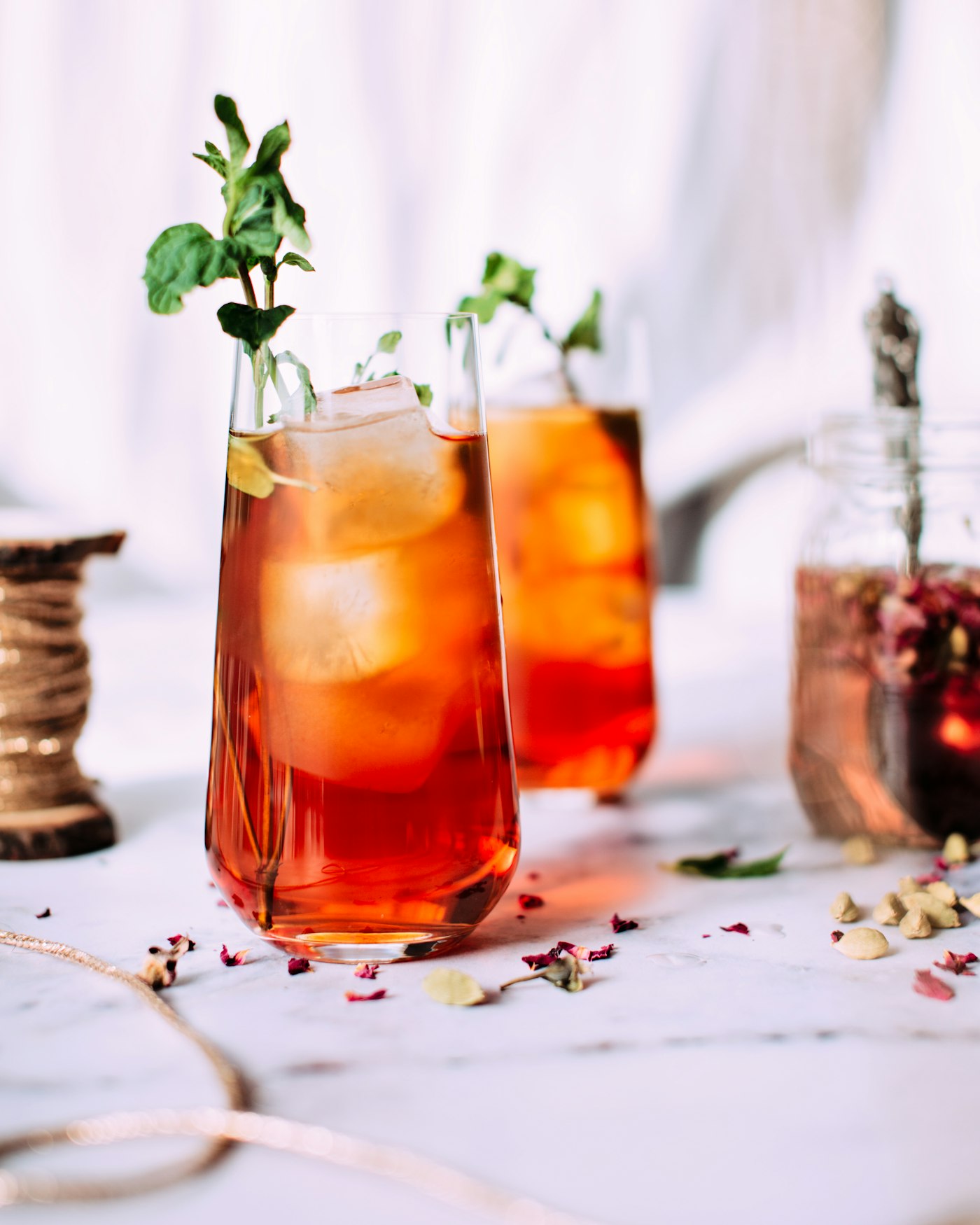
What this article is looking at
Core question: why sour plum soup in 2026 is becoming a drinks branch worth writing about again Signals: smoked plum, hawthorn, dried citrus peel, roselle, after-meal scenes, heavy-food pairing, lower-burden night drinking, summer de-greasing, Chinese sweet-sour structure, modern chain rewriting of traditional beverages For readers trying to understand why some drinks that do not look especially trendy are often exactly the ones most likely to find a long-term place in a mature fresh-tea market
1. Why now? Why is sour plum soup turning from a “traditional drink” back into menu language?
Because stores now need more than novelty. They need specific reasons to drink. In earlier years, many successful launches depended on first-sip surprise: brighter fruit, lighter dairy, more obvious floral notes, more photogenic color, or combinations that spread well on social platforms. By 2026, the market is more mature, and consumers are clearer about what they actually want in different hours and bodily states. Sour plum soup is becoming useful again not because it is new, but because it is extremely good at holding this kind of reason-based consumption: it makes sense after a meal, after spicy or oily food, in muggy weather, and at night when people want flavor but not anything too thick. It wins not by saying “look how new this is,” but by letting the customer think, “this is exactly right for now.”
That is how many modern tea-drink sublines actually become long lines. The products that survive are usually not the most bizarre cup, but the cup that most easily turns into a daily action. Sour plum soup has that advantage. The taste structure behind it—smoked plum, hawthorn sweetness and tartness, dried citrus peel, roselle brightness, sometimes licorice rounding—was never only a generic sweet-drink logic. It is a complete Chinese sweet-sour balancing logic. Its strength is not only during the sip, but after the sip: the mouth feels less dragged, the heavy meal feels pushed down a little, and the body seems to move from “I just ate” into “I can keep walking, talking, working, or going home.” In a mature market, that kind of back-half experience is often more valuable than first-sip intensity.
That is why sour plum soup is especially suitable for being translated out of “traditional ready-made answer” and into “modern menu language.” In the past, many people associated it with home cooking, restaurant service, tourist-site drinks, Beijing snack imagery, or a generally old-style summer mood. What stores care about now is different: can this become a stable modern branch inside fresh tea? The answer is yes, because it is familiar enough that it needs little education, distinct enough that it does not dissolve into ordinary fruit tea, and positioned perfectly in the middle: more closing than ordinary fruit tea, more flavorful than plain tea, and lighter than thick dairy drinks. In 2026, that kind of middle position is exactly what stores like to operate.
2. What it really sells is not nostalgia, but a distinctly Chinese “closing effect” in the mouth
When traditional drinks return, the easiest mistake is to write them only as nostalgia consumption: old taste, childhood memory, guochao packaging, retro familiarity. Sour plum soup can certainly borrow some of that attention, but if it wants to hold a serious place in fresh tea, nostalgia cannot be its only engine. Its deeper value lies in offering an experience that is still effective now and not easily replaced by many other drinks: a Chinese-style palate-closing effect. That phrase is not flashy, but it matters. It is not simply acidity, not simply sweetness, and not a direct functional-replenishment logic either. It is the feeling that after the cup, the mouth, the appetite, and the ending of the meal all seem more settled.
This is the basic difference between sour plum soup and many fruit teas. A lot of fruit tea is about front-end performance: the first sip is bright, direct, aromatic, icy, and social-media friendly. Sour plum soup is stronger in the back half. It does not push acidity forward as directly as lemon. It does not make softness and sweetness as obvious as white peach. It does not build presence through dense fruit the way grape or tropical fruits can. It closes inward. While drinking, you feel layered flavor; after drinking, you feel the mouth is cleaner, lingering food heaviness has been pressed down, and the body has been moved from “still inside the meal” toward “already leaving the meal behind.”
That is extremely suitable to the 2026 fresh-tea environment. Once every brand can make lighter fruit tea, cleaner iced tea, and tea-forward cold drinks, the next stage is not only about being lighter. It is about understanding tiny daily states more precisely. Sour plum soup is worth writing again not because it can defeat every other summer drink, but because it writes one highly specific need especially well: I am not trying to keep eating. I just want to close this meal properly.
3. Why does it fit after-meal, heavy-food pairing, and night-time scenes so well?
Because all three scenes are asking not for more excitement, but for more smoothness. After-meal use is the clearest example. Once people have finished eating—especially after spicy, oily, grilled, braised, fried, hotpot, barbecue, or strongly salty food—they usually do not want another heavy reward drink, and they do not necessarily want a juice-like fruit drink either. What they want is something with real flavor that does not keep adding burden and ideally helps the mouth and appetite settle. Sour plum soup is naturally good at that position. It is not there to continue appetite. It is there to guide appetite gently out of the meal.
That is also why it overlaps so neatly with de-spicing and meal-pairing tea drinks. Many drinks that work well with heavy food are not winning by sweetness, but by whether they can press heavy flavor down. Lemon tea does that through direct acidity and tea structure. Oriental iced tea does it through clean tea character. Sparkling tea does it through carbonation and finish. Sour plum soup does it through a more recognizably Chinese sweet-sour herbal-fruit structure. Its advantage is that it does not feel coldly functional. It keeps some of the pleasure of a sweet-sour beverage while shifting the direction from “more stimulation” to “this meal can now close.”
Night-time scenes follow the same logic. In the evening, many consumers do not want a drink that is milky, filling, and dessert-like, but they also do not necessarily want a cup of very quiet plain tea. They want something that has content without being too burdensome. Sour plum soup is especially convincing there because it has flavor without relying on heavy toppings or thick dairy, and because it can work both cold and warm. It offers some emotional satisfaction without feeling like a reward binge. It sells not excitement, but arrangement: a gentle transition from dinner and daytime into the next part of the night.
4. Why is sour plum soup better suited to long-term operation than many “summer fruit teas”?
Because it is built on a stable eating logic rather than on a fashionable fruit cycle. Many summer fruit teas become popular because of seasonal fruit, strong color, social-platform visibility, and the light excitement of a “this season only” release. Those things work, but their life cycles are often shorter. Sour plum soup is different. The structure formed by smoked plum, hawthorn, dried citrus peel, roselle, and sometimes licorice is a very mature palate framework: layered tartness, sweetness that does not need to be too heavy, aroma that moves backward, and an ending that closes properly. That framework does not depend on one new fruit suddenly becoming hot, and it does not require stores to invent a dramatic new name every time.
That makes it especially suitable as a long-running product line. “Long-running” does not mean it has to be the hottest product every day. It means there are stable moments when people can reasonably think of it: after a heavy meal, on a muggy day, at night when they do not want anything too rich, or when they want something more recognizably Chinese than ordinary fruit tea but not something old-fashioned. For a store, a product with stable recall reasons often has more commercial value than a short-term hot topic. It may not always be the loud blockbuster. But it can become a very steady sub-mainline.
There is also a practical advantage: sour plum soup is easy to translate into “a more modern traditional drink” instead of “something that must stay frozen in an old form.” Stores can write it lighter, lower in sugar, more tea-forward, cleaner in acidity, more modern in packaging, or more precise in time-of-day use. It can also be recombined with oolong, lemon, dried citrus peel, light sparkling structures, or hot-drink logic. In other words, it has a strong traditional base without preventing modern rewriting. For a 2026 fresh-tea brand, that is close to ideal: familiar, but still organizable; traditional, but still updateable.
5. How does it relate to lemon tea, Oriental iced tea, and tangerine-peel-feel drinks? Not replacement, but finer division of labor
Sour plum soup returning to the foreground does not mean lemon tea or Oriental iced tea are leaving. More accurately, it helps those already strong summer lines divide labor more finely. Lemon tea is better at direct wake-up, direct de-greasing, and quick palate brightness, especially for commuting, large cups, fast rhythms, and immediate heat response. Oriental iced tea is better at “real tea feel + high frequency,” and behaves more like a modern daily cold tea. Tangerine-peel-feel drinks are especially good at writing “a little smoother, a little warmer, a little more closing” into more hot-drink or back-half experiences. Sour plum soup occupies a more specific zone: Chinese-style sweet-sour closure, after-meal use, heavy-food pairing, and lower-burden evening drinking.
That is why sour plum soup is not a universal summer key, but a menu role with quite clear boundaries. It is not necessarily the best first cup of the morning, not necessarily the best all-day office hydration drink, and not always the first choice for consumers who want the lightest possible cold tea. Its true strength appears after some other state has already happened, when the consumer needs a small but effective closing action. That action is both deeply Chinese and very modern, because modern high-frequency beverage consumption increasingly values products that do not interrupt life but help straighten life out a little.
So rather than reading it as “the revival of a traditional drink,” it makes more sense to read it as “menu division continuing to become finer.” Mature markets fear one thing above all: every light drink starting to sound and feel the same. Sour plum soup matters because it helps stores split “good for summer” into a branch with stronger food-culture grounding and clearer scene identity. It is not only refreshing. It is closing. It is not only sweet-sour. It is de-greasing. It is not only traditional. It is a Chinese structure that can be modernized into repeat purchase.
6. Where are the limits? Sour plum soup does not automatically equal sophistication or health
First, the easiest failure is for sour plum soup to become a dark sugar water again. If the acidity is muddy, the sweetness too heavy, and the aromatic layers unclear, the drink quickly slides from a structured Chinese palate-closing beverage back into something dark and loud but ultimately flat. Such a version may still carry nostalgia, but it is much harder to earn high-frequency reorder in contemporary fresh tea. Consumers now expect “low burden” and “layering” much more than before.
Second, it can be written far too heavily as wellness. The moment a store leans too hard on function, tradition, ancient methods, or care-taking language, younger consumers start placing it in the category of “something I drink only when I specifically need it,” rather than “something I can casually buy today.” The version that fits 2026 best should carry a slight feeling of taking care of yourself, but it should never feel like a solemn task. It should feel smoother and more suitable, not heavier and more demanding.
Third, it is not a high-stimulation drink for everyone. Consumers who want the clearest possible direct fruit brightness may not choose sour plum soup first. Its appeal was never loudness, but completeness; not explosion, but arrangement. In other words, its strength comes precisely from not being universal. Brands that understand this can write it more accurately. Brands that try to make it simultaneously the trendiest, youngest, sharpest, healthiest, and most photogenic option will usually write all personality out of it.
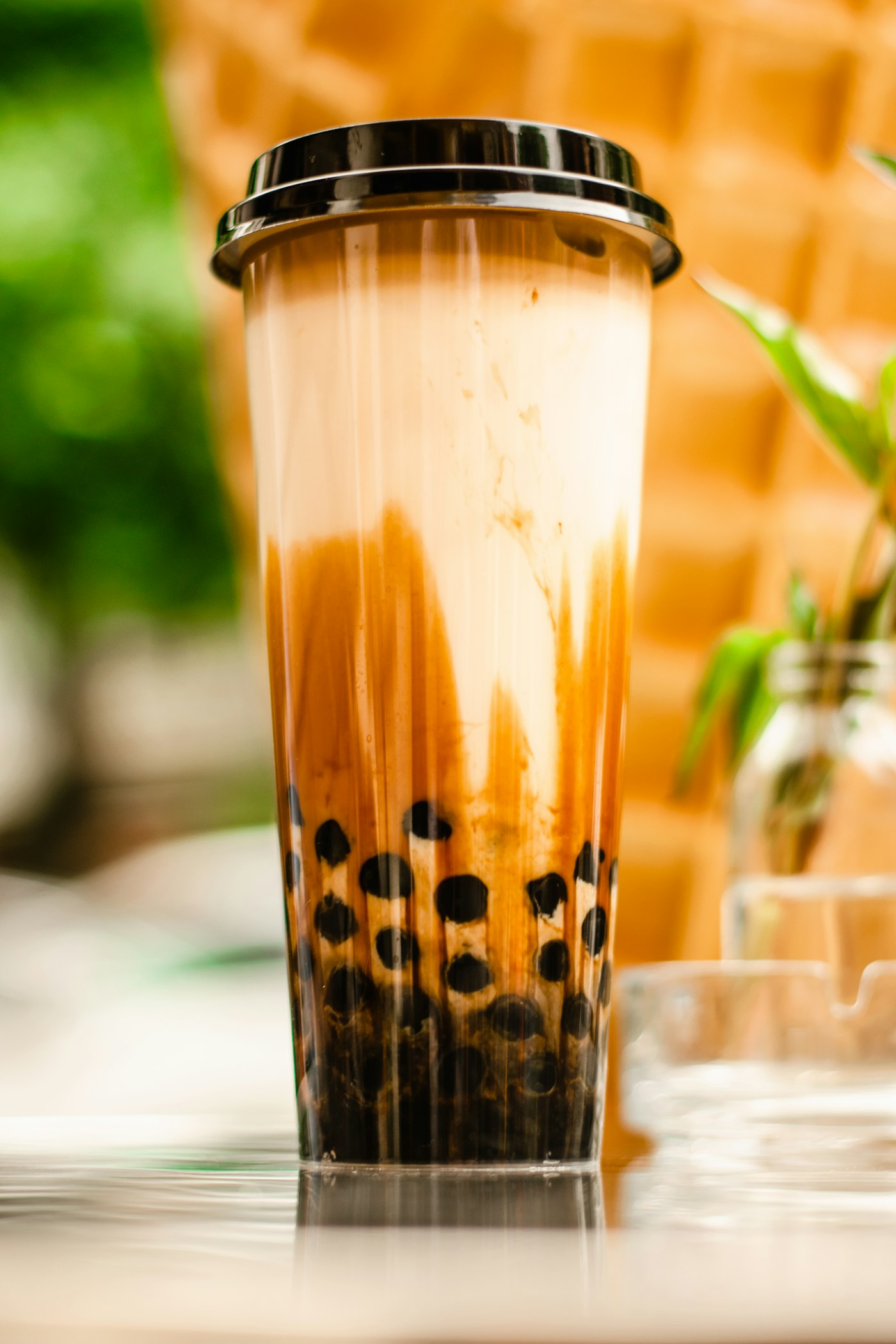
7. Why does this belong in the drinks section’s broader 2026 map?
Because it shows again that fresh tea upgrades now look less like inventing new flavors and more like putting long-existing taste structures into much clearer positions inside daily life. Everyone already knows sour plum soup. What matters in 2026 is not “sour plum soup is back,” but “sour plum soup has finally been rewritten clearly”: what time window it suits, what meal state it suits, what weather it suits, what kind of heaviness it follows, and what kind of low-burden drinking it supports. Once those questions are answered seriously, it stops being only a traditional symbol and becomes a durable branch inside the modern menu.
When connected with other pieces on the site, the logic becomes even clearer. After-meal tea drinks shows stores competing for the cup after the meal. Heavy-food pairing drinks shows beverages moving deeper into the table scene. Night-oriented tea drinks shows consumers wanting something different from daytime drinking. The tangerine-peel feel shows the back-half experience of “a little smoother, a little more closed” being carefully operated. Sour plum soup stands right where these lines cross. It may not be the noisiest cup, but it may be one of the clearest signs that 2026 stores are becoming better at writing Chinese everyday eating culture into modern drinks.
At bottom, what makes sour plum soup worth writing again is a new demand being placed on summer drinks: it is not enough to be refreshing; the drink also has to close well. It is not enough to be sweet-sour; it also has to have a back half. It is not enough to quench thirst; it also has to carry the state that comes after a meal and after heavy food. As long as those three conditions keep holding, sour plum soup is unlikely to remain only a brief retro wave. It will continue to survive as a drinks branch worth following.
Continue reading: Why tea drinks are seriously competing for the after-meal cup, Why tea drinks are competing for the cup that cools down spicy food, Why tea drinks are becoming more night-oriented, and Why the “tangerine-peel feel” has become worth writing again in 2026.
Sources and references
- CHAGEE official “product identity card” page, referenced for how chain brands in 2026 keep turning tea bases, aroma, and ingredient structure into menu language that ordinary consumers can repeat: CHAGEE official product page
- Guming official website, referenced for how a leading tea chain continues to emphasize the high-frequency everyday logic of “a cup a day that does not feel tiring”: Guming official website
- A synthesized editorial observation of spring–summer 2026 Chinese internet and chain-menu language around sour plum soup, after-meal drinks, de-greasing, food pairing, night-time use, dried citrus peel, and lower-burden Chinese-style beverages.