Fresh tea observation
Why preserved-plum tea drinks deserve their own 2026 category: from the memory of holding a salted plum in the mouth while talking to a lighter modern Chinese sweet-sour tea line for after meals, small cups, conversation, and evening finish
If sour plum soup has returned to the front of fresh tea in 2026 because of its fuller Chinese-style finishing structure and stronger ability to handle after-meal, de-greasing, and heavier-food occasions, then a lighter, more mouth-level preserved-plum tea line is also ready to be written on its own. It is not exactly the same thing as sour plum soup, and it is not just a gimmick where a plum is dropped into a drink. Its real value is that it translates a very specific Chinese everyday experience—holding a plum in the mouth while talking, eating one casually during conversation, using it after meals to press down lingering flavor, wanting a little sweet-sour lift without a heavy cup—into a modern made-to-order tea branch. Preserved-plum tea drinks sell neither loud fruit impact nor nostalgic scenic-page filters, but a lighter, finer, more finishing-oriented Chinese sweet-sour texture especially suited to small cups and easy everyday use.
This is worth writing because it fills a gap that is easy to miss in today’s fresh tea system. Stores already know how to write lemon tea, floral fruit tea, Oriental iced tea, sour plum soup, chenpi-like warm drinks, and lighter late-day beverages. The issue is that while all of these can answer needs like “clean the mouth,” “cut grease,” or “make it lighter,” they do not do the same job. Lemon tea is more direct and brighter in its acidity. Sour plum soup is fuller, darker, and more formal as an after-meal or food-pairing answer. Chenpi-like drinks lean more toward later-palate warmth and adult finishing notes. Preserved-plum tea drinks occupy the lighter space in between: clearly sweet-sour, but not necessarily heavy; saliva-lifting, but not as sharp as fresh lemon; recognizably Chinese, but not immediately written as a traditional formula.
That is exactly why preserved-plum style works so well in today’s increasingly time-slot-driven menu logic. It connects naturally to after-meal tea drinks, because its strength is gently pushing heavy flavor downward. It connects to small-cup logic, because this style is most charming not when it becomes enormous, but when it stays small, focused, and controlled. It connects to late-night tea drinks, because it can give the palate some content without dragging people back into thick milk drinks or oversized fruit teas. In other words, preserved-plum style is not an isolated new flavor. It is an older lived experience that has been renamed, re-measured, and re-situated in menu language.
1. Why “preserved-plum style” instead of just “plum flavor” or “light sour plum soup”?
Because preserved-plum style points not only to an ingredient, but to a whole lighter oral experience. Sour plum soup usually feels fuller: the darker sweet-sour structure of smoked plum, hawthorn, chenpi, roselle, and related elements is more complete, and the drink reads more like a formal answer to after-meal or food-pairing needs. Preserved plum is different. It is first a snack, something held in the mouth, something eaten while chatting, a lighter movement between sourness, sweetness, and a trace of salinity, an immediate action of moistening the mouth and making saliva return. In other words, preserved-plum style begins from a smaller, lighter, more mouth-centered action logic.
That is also what separates it from generic plum-flavored beverages. Many plum drinks simply sell identifiable sweet-sour flavor. Preserved-plum style is more interesting because it carries a little salted, mouth-held, conversation-oriented, saliva-lifting memory. It is not trying to build a huge first-sip attack. It is trying to let the drinker recognize a feeling: something lightly held in the mouth, the breath more comfortable, the heavy aftertaste slightly lowered, the palate a little easier to live in. That is why it deserves to be written separately from sour plum soup. The two belong to a wider Chinese plum family, but they do not perform the same menu job.
2. Why does this flavor family regain menu value in 2026?
Because stores have entered a phase where they must write demand more precisely. Saying only “refreshing,” “lower burden,” or “good for summer” is no longer enough. Menus now have to answer: good for what moment, what body state, what kind of meal just happened, what cup size, and what order in the day. Preserved-plum style is valuable because it naturally matches several very specific moments: after meals, after heavier flavor, later in the day when people still want taste but not something too stimulating, or when they want something to carry while walking and talking.
More importantly, it has very low education cost. Consumers may not actively say “I want a preserved-plum drink” every day, but they immediately understand what preserved plum feels like. In Chinese life it is already tied to moistening the mouth, talking, saliva return, casual snacking, and pressing down lingering taste after eating. Stores therefore do not need to educate from zero. They only need to restage that familiar experience inside a tea drink, and make clear that it is lighter than sour plum soup, rounder than lemon tea, more finishing-oriented than ordinary fruit tea, and easier to order than a heavy milk drink.
3. Why does it fit after meals, small cups, conversation, and evening drinking better than oversized cups?
Because its strength is not volume but mouth action. You almost never associate preserved plum with chugging a giant bucket. It suggests holding, lifting, and lightly straightening the state of the mouth. Once that flavor logic moves into tea drinks, it naturally suits smaller cups. A smaller cup is not a compromise here. It concentrates what is good about the style: focused sweet-sour balance, clearer finishing effect, quicker saliva lift, and less second-half fatigue.
That is especially true after meals. What people usually need after eating is not another full, filling beverage but a small act that gathers up the previous stretch of flavor. Preserved-plum style sits in an ideal place: softer than many bright-acid fruit drinks, lighter than many darker Chinese drinks, and good at being flavorful without becoming oppressive. The same goes for conversation and evening drinking. It does not need dramatic presence, but it can keep the mouth comfortable and lightly satisfied.
4. How does it divide labor with lemon tea, sour plum soup, and chenpi-like drinks?
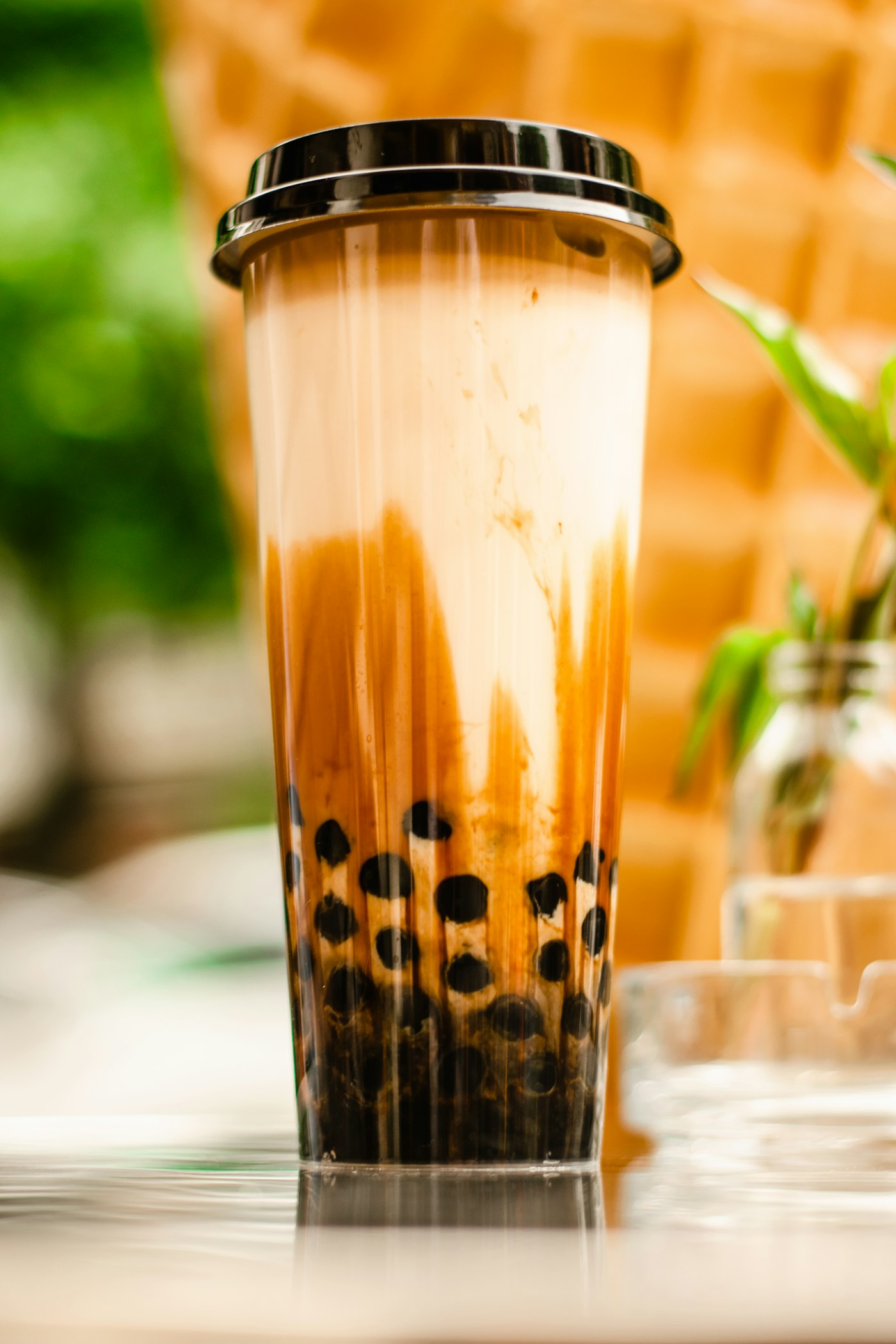
If lemon tea handles direct brightness and wake-up, sour plum soup handles a fuller and darker Chinese finishing structure, and chenpi-like drinks handle warmer, later-palate closure, then preserved-plum drinks handle a lighter, smaller, more oral layer. It is not the sharpest, not the fullest, and not the warmest. It is a more agile middle role.
That means it does not replace those drinks. Instead, it helps the menu become more finely divided. Mature markets do not merely need more ingredients. They need more precise distinctions between products that all claim to be refreshing or low-burden. Preserved-plum style is useful because it breaks those claims apart: some drinks are for stimulation, some for hydration, some for pressing down flavor after eating, and some for drinking while talking without interrupting the moment. Preserved-plum style clearly belongs to the latter two.
5. Why is it better written as modern Chinese rather than retro nostalgia?
Because its real power is lived texture, not museum texture. Traditional themes in fresh tea are often turned into retro packaging, guochao naming, or nostalgic visual mood. That can generate first-round attention, but it does not always create long-term consumption. If preserved-plum style depends only on nostalgia, it quickly becomes shallow. What makes it worth writing as modern Chinese is that it still works naturally in contemporary life: before meetings, during long conversations, after meals, late at night when people want some content but not heaviness, or while walking around with a small cup in hand.
So instead of framing it as a retro plum drink, it makes more sense to frame it as a Chinese mouth action rediscovered inside modern life. Consumers are not buying an abstract cultural symbol. They are buying a bodily feeling they understand immediately: smoother, moister, lighter, and easier in the mouth.
6. Where are the boundaries of this line? How does it get written badly?
The easiest mistake is turning it into an overly sugared, dark plum drink. Once sweetness gets heavy, the base gets sticky, and preserved plum becomes only a vague syrupy impression, the whole line loses the advantage of lightness and smoothness. The opposite mistake is making it too empty. A convincing preserved-plum drink still needs a real finishing logic: acidity with direction, sweetness as buffer, a little plum or saline mouth presence, and a tea base that stops the cup from feeling like snack water. It can be light, but it cannot be hollow. It is also not meant for every moment. Extreme heat-hydration or high-energy morning use may not be its real home. It works best when the drinker wants to straighten out a state rather than intensify it.
7. Why does this matter inside the broader 2026 drinks map?
Because it shows again that the mature direction of fresh tea is not only inventing stranger new flavors. It is also breaking familiar experience into finer, more accurately placed branches. The return of sour plum soup shows that fuller Chinese finishing structures are wanted again. The rise of preserved-plum style suggests the market also wants a lighter, smaller, higher-frequency branch within that same family. This is not a grand story of “traditional drinks returning.” It is a smaller but more revealing story: one very specific Chinese oral experience is being written back into modern menu language.
Connected with the site’s existing articles, the logic becomes clearer. After-meal tea drinks explains why finishing has become a business opportunity. The return of sour plum soup shows that Chinese sweet-sour structure has regained modernity. Small-cup logic explains why lighter micro-action drinks deserve space. Late-night tea drinks shows why people increasingly want drinks with some presence but not too much burden. Preserved-plum tea drinks sit exactly at the crossing point of these lines.
Continue reading: Why tea drinks are seriously competing for the after-meal cup, Why sour plum soup returned to the front of fresh tea in 2026, Why tea drinks are getting smaller-cupped, and Why tea drinks are becoming more night-oriented.
Sources and references
- Baidu Baike | Preserved plum
- Wikipedia | Preserved plum
- Synthesized editorial observation of 2026 Chinese internet and tea-menu language around preserved plum, plum snacks, saliva-lifting mouthfeel, after-meal use, small cups, late-day drinking, and lighter Chinese sweet-sour tea structures.