Fresh tea drink observation
Why milk-skin tea moved back to the front of tea drinks in 2026: it is not selling a grassland filter, but a thicker, truer-milk, more food-like upgrade in structure
If you scan Chinese tea-drink language in spring 2026, one older word is quietly returning to the center of the menu: milk skin. Sometimes it appears as milk-skin tea, sometimes as baked milk skin, fresh milk skin, or milk-skin milk tea, and it is often tied to rhetoric about grassland dairy, borderland flavor, real milk, breakfast feeling, or thicker dairy texture. On the surface, this can look like another wave of regional-flavor nostalgia. But inside today’s tea-drink market, milk skin is being reactivated for a much more practical reason. It answers a real question: once brands have already made milk tea lighter, lower in sugar, and more convincingly “real milk,” how can they make dairy feel richer and more substantial again without sliding back into the old heavy-and-greasy model? Milk skin offers one answer: a thicker, truer-milk, more food-like upgrade in structure.
That is why it belongs in the site’s 2026 drinks map. We have already written about the return of light milk tea, the renewed rise of salty milk tea, breakfast-style tea drinks, topping simplification, and ingredient transparency. Milk-skin tea is not the opposite of those trends. It is closer to a new node that appears after they have already taken shape. Light milk tea made dairy lighter. Milk-skin tea tries to make dairy thicker again, but not in the old powdered way. It tries to make thickness feel more like dairy itself, more like food texture, and more like something with a top layer and a lingering finish.
So the real question is not whether milk-skin tea is hot again. It is why, in 2026 specifically, the phrase milk skin has once again become useful for urban stores, social platforms, and product stories built around “truer milk,” “more substance,” and cups that feel more worth photographing and talking about.
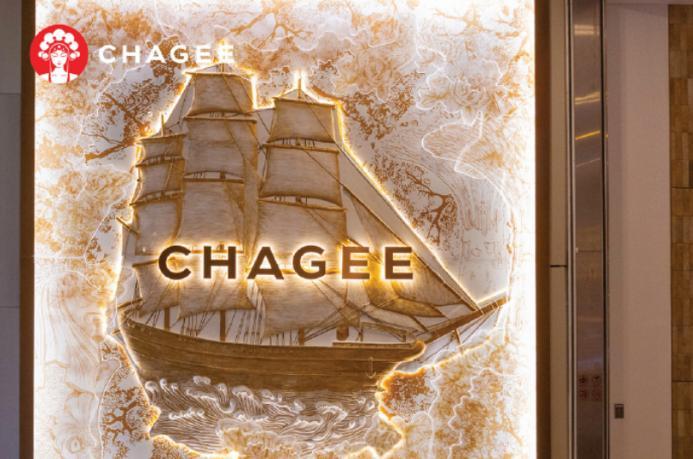
What this article looks at
Core question: why milk skin was pushed back to the menu front in 2026 Signals: post-light-milk dairy upgrades, restoring presence in a lower-sugar era, regional-flavor translation, visual spread on social platforms, and the food-like rhetoric of breakfast-style drinks Who this is for: readers trying to understand why brands, after making drinks lighter, are once again managing dairy as something thicker, truer, and more edible in feel
1. Why now? Why has milk-skin tea moved from edge topic back to center stage?
Because today’s milk-tea market can no longer innovate through “easy to drink” alone. Over the last few years, one of the most important upgrades in Chinese tea drinks was the move away from heavy sweetness, heavy dairy burden, and old-style thick satisfaction toward something lighter, cleaner, and more recognizably based on fresh milk rather than flavoring-style milkiness. Light milk tea, lower sugar, real milk, and stronger tea readability all look like separate lines, but they were doing the same larger thing: shifting milk tea from a logic of sweetness and fullness toward a logic in which both tea and milk could still be read.
But that same success creates a new sameness. Once the whole market learns how to make dairy lighter, sugar lower, and cups more suitable for high-frequency drinking, many products start to resemble each other. They are not bad. They are simply too similar to keep generating a fresh reason for choosing one over another.
Milk-skin tea returns precisely after that point. It gives brands a convenient upgrade interface. If everyone is already talking about fresh milk, thick milk, and real milk, the next step is to push dairy itself further forward—not only as an ingredient claim, but as a structured sensory layer with a top note, cling, lingering richness, and something closer to edible dairy texture. The phrase “milk skin” immediately lets consumers imagine a layer that is thicker, softer, more aromatic, and more persistent. In other words, it delivers a sensory preview before the product even reaches the mouth.
That is why it works again in 2026. Many products that look like revivals are not reviving the old thing exactly. They are reviving the present usefulness of an older language. Milk-skin tea is back not because the market suddenly needs a full restoration of traditional milk-skin life, but because it needs a word that makes thick-dairy upgrades sound new again. Milk skin happens to be that word.
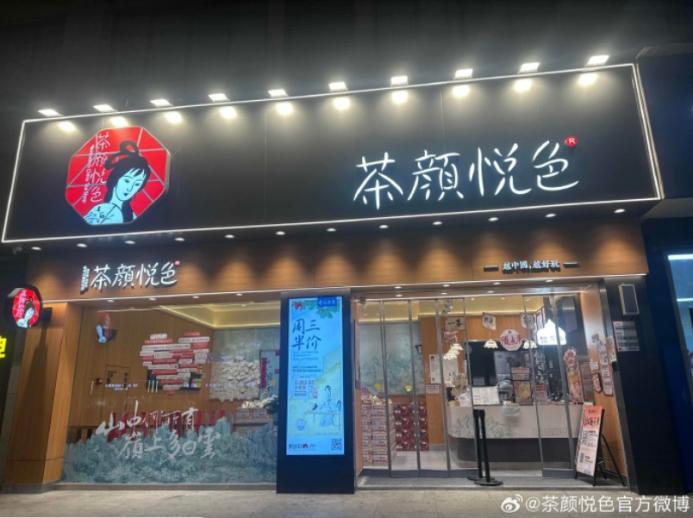
2. What are tea chains really selling when they sell “milk skin”?
First, they are selling the imagination of something more like an actual dairy product. Consumers do not need to distinguish clearly among fresh milk skin, baked milk skin, traditional milk-skin foods, cream tops, foam tops, and cheese-like caps. They only need to accept one simple judgment: milk skin feels truer and thicker than ordinary milkiness. For stores, that judgment is already valuable. It upgrades a cup from “more milky” to “more dimensional in dairy structure,” pulling the drink slightly away from pure sweetness logic and a bit closer to food logic.
Second, they are selling an answer to the lower-sugar era. Brands already know that simply turning sweetness up is no longer a long-term route to high-frequency competition. But lower sugar has its own side effect: products can start to feel too empty. Milk-skin tea does not solve that by stuffing the cup with more toppings or by returning to old, overpowering cream caps. Instead, it turns dairy itself into something discussable. In many descriptions, the detail that sticks is not necessarily the tea base, but the sense of “something layered on top,” “a softer milk body,” or “a dairy-fat finish that lingers longer in the mouth.” That shows milk skin is being used as a structural tool, not just as a flavor word.
Finally, it sells the sense that the drink feels more like a thing, not just a beverage. Once a product can make people think of milk-skin snacks, dairy foods, breakfast, regional milk culture, or baked milk aroma, it becomes easier to read as a cup with content. Consumers often pay not only for better taste, but for that stronger sense of narrative and worth.

3. Why is “milk skin” more useful than words like “thick milk” or “fresh milk”?
Because it is more concrete. “Thick milk” is industrial menu language. “Fresh milk” is ingredient language. “Upgraded milk aroma” is the kind of vague phrase almost any brand can use. “Milk skin” is different. It immediately suggests surface formation, concentration, dairy fat, gentle heating, a focused aroma, and a slightly food-like regional identity. That concreteness is exactly what stores need. Without much explanation, the customer has already started imagining both image and texture.
It also carries cultural and regional memory. Whether consumers know much or little about grassland dairy foods, borderland tea traditions, or traditional milk-skin products, the phrase itself gives a cup a sense of coming from somewhere. That matters a lot. In a launch cycle full of exaggerated naming, brands do not just want to sound unusual. They want to sound grounded. Milk skin gives them that groundedness.
In other words, milk skin is more story-like than thick milk, more flavor-like than fresh milk, and more product-like than generic “dairy upgrade” language. It is an old term that is unusually easy to modernize.
4. What is its relationship to traditional milk-skin tea and grassland dairy foods?
The relationship is real, but it is not simple inheritance. Traditional milk skin, milk-skin foods, grassland milk tea, and regional dairy systems belong to full ways of life, processing methods, climates, food habits, and bodily needs. A large part of what urban stores now call “milk-skin tea” is not a literal reproduction of that original logic. It borrows the parts that are easiest for modern consumers to recognize and consume: the feeling of a concentrated dairy surface, a regional identity, the imagination of real milk, and a slightly food-like thickness.
That distinction matters. If today’s tea-chain milk-skin tea is treated simply as a return of traditional milk-skin tea, a lot gets misread. Traditional dairy practices had their own daily place. Urban tea-shop milk skin is closer to a filtered symbol. It has been recut into something suitable for store workflow, standard cup sizes, social-media phrasing, and younger consumers’ taste-for-trying logic. Its first task is not faithful restoration. It is efficient translation.
And that is exactly why it deserves a place in the drinks section. The interesting question is not whether it is orthodox enough. It is why this particular traditional word is suddenly so useful in the present. The answer is clear: it helps brands solve three problems at once. It gives dairy a new language, gives products a cultural point of origin, and gives platforms a stronger spread hook.
5. Why is milk-skin tea especially suited to Chinese-internet circulation right now?
Because it combines contrast with safety. The products platforms like most are usually positioned in a narrow zone: new enough to attract attention, but not so extreme that they break mainstream acceptance. Milk-skin tea lands right in that zone. It is not as aggressively strange as stunt-heavy flavor experiments, but it is also not as ordinary as a standard fresh milk tea. It carries a little regional feeling, a little dairy-food feeling, a little “real milk” imagination, and a visual expectation of thickness. That is enough to make people curious without fully pushing them away.
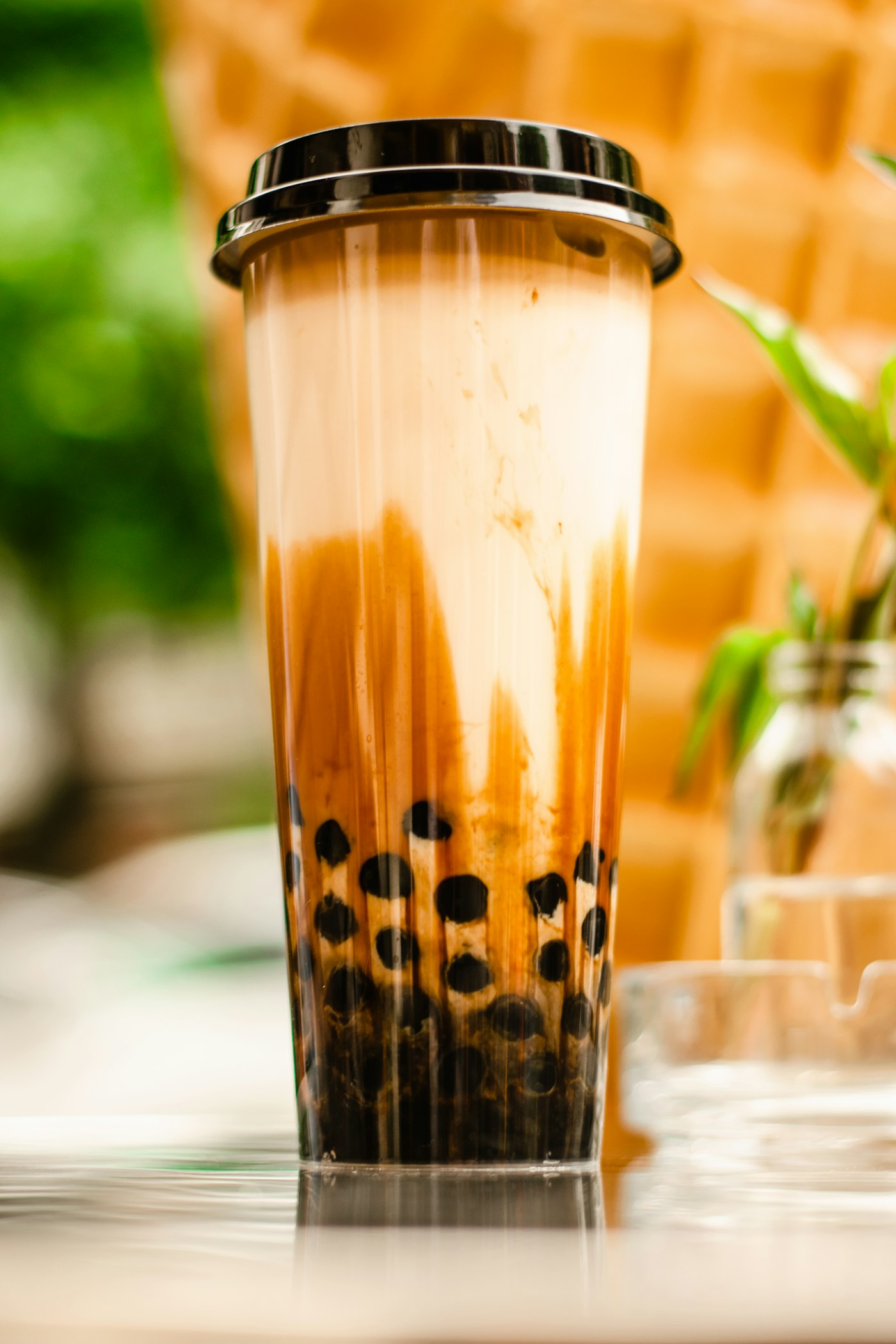
It is also highly photographable. Milk skin, foam, dairy-fat layers, cup-wall cling, thick tops, and before-and-after stirring contrast all work naturally in static images and short video. Consumers can caption it easily too: thicker, richer, more like milk, like turning milk skin into tea, more substantial than ordinary milk tea. That means the spread threshold is low and the understanding threshold is low. Brands do not need much education to make the idea legible.
Most importantly, milk-skin tea can be framed as a “truer” kind of upgrade. On Chinese platforms today, “real milk,” “real tea,” “real fruit,” and “real ingredients” function almost like universal value tokens. Milk skin plugs directly into that system. It makes consumers feel that the dairy note is not flavoring-style milkiness, but dairy-product-style milkiness. Even if the actual process is more complex than the imagination, that cognitive advantage is already highly useful.
6. How does milk-skin tea relate to light milk tea, salty milk tea, and breakfast-style tea drinks?
They do not replace one another. They sit at different coordinates on the same map. Light milk tea asks how milk tea becomes lighter. Salty milk tea explores how sweet tea drinks are rewritten into more argumentative heavy-flavor products. Breakfast-style tea drinks compete for the space where tea and dairy edge closer to everyday eating occasions. Milk-skin tea asks a different question: if the market still wants to emphasize milk, but no longer wants to return to the old greasy milk-tea burden, how else can dairy become fresh and layered again?
In that sense, milk-skin tea is a clever middle route. It does not move all the way toward lightness, and it does not swing as far away from mainstream milk-tea taste as extreme savory experiments do. It stays inside the mainstream milk-tea frame while making dairy feel thicker, truer, and more rooted. It can borrow from real-milk rhetoric and regional-flavor rhetoric at the same time. It can serve winter or breakfast scenes, but it can also be packaged as a stable urban upgrade for everyday milk tea. For brands, that compatibility is valuable.
That is also why I would call milk-skin tea a medium-risk innovation. It has more discussion value than standard fresh milk tea, more safety than extreme flavor experiments, and more scalability than literal regional reconstruction. For major chains today, that is close to an ideal launch position.
7. What happens next: short-lived hot word, or stable long-term line?
My guess is that it will probably stay, but not always in the literal wording of “milk skin.” The things that last are usually not the loudest product names, but the structural method behind them. If milk-skin tea keeps spreading, what may remain is a broader product logic: more visible top dairy structure, more concentrated milk feeling, more restrained sweetness, tea that does not disappear entirely, and an added memory layer taken from regional dairy or food culture. At that point, not every product needs to call itself milk-skin tea in order to benefit from the same design logic.
Of course, this line has limits. First, if milk skin becomes too heavy, milk tea can easily fall back into the old problem of becoming tiring by the second half of the cup. Second, if brands borrow only the name but do not build real layering, consumers will quickly read it as little more than thick milk under a new label. Third, the more strongly a product leans on regional flavor identity, the more carefully it must control the distance between origin feeling and everyday drinkability. As soon as the cup feels more like a concept demonstration than something worth buying again, its heat stays trapped at the trial stage.
So the most important thing to watch is not whether milk-skin tea stays hot for a few months, but whether it can move from “everyone is filming it” to “people are actually buying it again.” If it can, it may become one of the defining standard moves of the thick-dairy milk-tea era. If it cannot, it will still leave behind a clear signal: the industry is still searching for new ways to make dairy worth talking about again.
8. Why does this matter inside the site’s broader 2026 drinks map?
Because milk-skin tea shows that tea-drink innovation today is increasingly moving from “what do we add?” toward “how do we explain it?” In many cases, ingredients themselves have not turned into something from a completely different world. What has changed is the language brands use to organize them. Milk-skin tea did not invent milk-and-tea pairing out of nowhere. It reorganized existing dairy texture, regional flavor memory, and thick-milk demand into a language that fits contemporary stores.
That is also why it connects so naturally with so many pieces already on the site. Light milk tea rewrites milk. Tea-base identity rewrites tea. Ingredient transparency rewrites explanation. Topping simplification rewrites structure. Milk-skin tea rewrites how dairy texture itself should be understood. It shows that ready-made tea has not stopped chasing spreadability, but spreadability now depends more and more on words that can connect mouthfeel, culture, image, and price justification all at once. Milk skin is one of the clearest such words in 2026.
In the end, milk skin is visible again in 2026 not because the market has gone backward, but because a more mature market now needs a language that can talk about thickness more precisely, talk about milk more like an actual dairy product, and turn “content feeling” into a repeatable product asset. Milk-skin tea happens to sit exactly at the intersection of those needs.
Related reading: Why light milk tea became a main character again, Why salty milk tea moved back to the front of menus in 2026, Why tea drinks are increasingly being written like breakfast, and Why new tea drinks started taking simplification seriously.
Sources
- Guming official site
- Heytea official site
- CHAGEE | Oriental iced tea series and product copy
- Related in-site features on light milk tea, salty milk tea, breakfast-style tea drinks, ingredient transparency, and topping simplification (March–April 2026).