Fresh tea drink observation
Why grape fruit tea still deserves its own article in 2026: from CHAGEE’s Grape Jade to the summer rewrite around high-visibility fruit pulp and cleaner tea bases
If you line up spring-to-summer 2026 tea-drink menus, one thing becomes clear: fruit tea has not disappeared, but not every fruit still gets equal attention as a front-line traffic driver. The fruits that brands keep pulling forward are the ones best suited to doing several jobs at once — looking good immediately, being easy to understand, and creating memory fast. Grape is one of the clearest examples. It is not a new fruit, and it does not need much market education, but inside Chinese tea-drink language it still carries a very stable set of strengths: darker color, visible pulp, mature sweetness, and a cup that can look both summery and more content-rich than an ordinary fruit tea. CHAGEE placing Grape Jade inside its light fruit tea architecture already shows that grape in 2026 is not a casually reused old fruit. It is still being used as a deliberate branch for pulp structure, dark-fruit aroma, and a high-spreadability summer entry point.
This is worth writing not because grape has suddenly become hot again, but because it never really left the main tea-drink stage. Many fruits rise and fall with seasonality, platform aesthetics, or launch cycles. Grape is different. It has stayed present, but the role assigned to it has become clearer. Earlier, grape was easier to read simply as a fruit-tea material that looked juicy, colorful, and loaded with pulp. Now stores understand its commercial value more precisely: it can help a fruit tea establish visual weight, sweetness weight, and social-media weight very quickly, without requiring much explanation.
More importantly, grape fruit tea in 2026 no longer looks like the old model that relied mainly on heavy sweetness and piled-up fruit pulp. It now appears more often inside narratives about lighter fruit tea, cleaner tea bases, drinks that feel more like tea than juice, and high-frequency products that still keep some presence. In other words, grape has not been eliminated by the lower-burden trend. It has been reorganized into a more mature summer-fruit-tea logic: the front end grabs attention through color and pulp, the middle holds the drink through fruit aroma and clear sweetness, and the back end is pulled clean again by tea so the whole thing does not remain only a loud sugary fruit cup.
What this article looks at
Core question: why grape-led fruit tea still deserves attention as its own drinks branch in 2026 Signals: CHAGEE Grape Jade, light fruit tea, dark fruit aroma, visible pulp, mature sweetness, cleaner tea bases, social visibility, summer high-spreadability entry points Who this is for: readers trying to understand why grape, unlike many “older fruits,” has not been pushed aside but continues to carry a high-visibility fruit-tea role
1. Why is grape still worth writing about on its own in 2026 when it is not a new fruit at all?
Because grape has never functioned only as “one more fruit flavor” inside tea drinks. Many fruits enter a menu mainly to add seasonality, refreshment, acidity, or some lighter lifestyle signal. Grape behaves differently. The moment it enters the cup, it brings immediate visual density: deeper color, stronger fruit presence, a cup that looks more loaded, and a much easier social-media read. That remains valuable in 2026 because the biggest problem in today’s fruit-tea market is not a lack of refreshment. It is that too many products now sound equally refreshing.
Consumers already have no shortage of lower-burden fruit tea: white peach, citrus, lemon, coconut water, guava, lychee, bayberry, and many others can all provide lightness, transparency, brightness, and summer mood. The harder question is this: once every brand can talk about light, real, low sugar, and refreshing tea, who still creates the cup that people notice instantly and remember instantly? Grape remains one of the most stable answers. It naturally gives a cup more stage presence than many pale fruits do, and it is much easier to turn into a dark-fruit visual anchor across posters, cups, social content, and user photos.
Just as importantly, grape does not require a very narrow seasonal window or a highly specific regional story in order to work. The entry barrier is low, the recognition is high, and almost nobody needs extra explanation before accepting that “grape + tea + ice” can become a legible drink. That is why brands in 2026 no longer need to explain who grape is. They need to explain why this grape tea deserves rewriting: is the pulp structure more visible, or is the tea base cleaner? Is it meant as a large-cup social fruit tea, or as a more mature light fruit tea? Grape’s real value lies in how well it supports this kind of upgrade: familiar, but still highly subdividable.
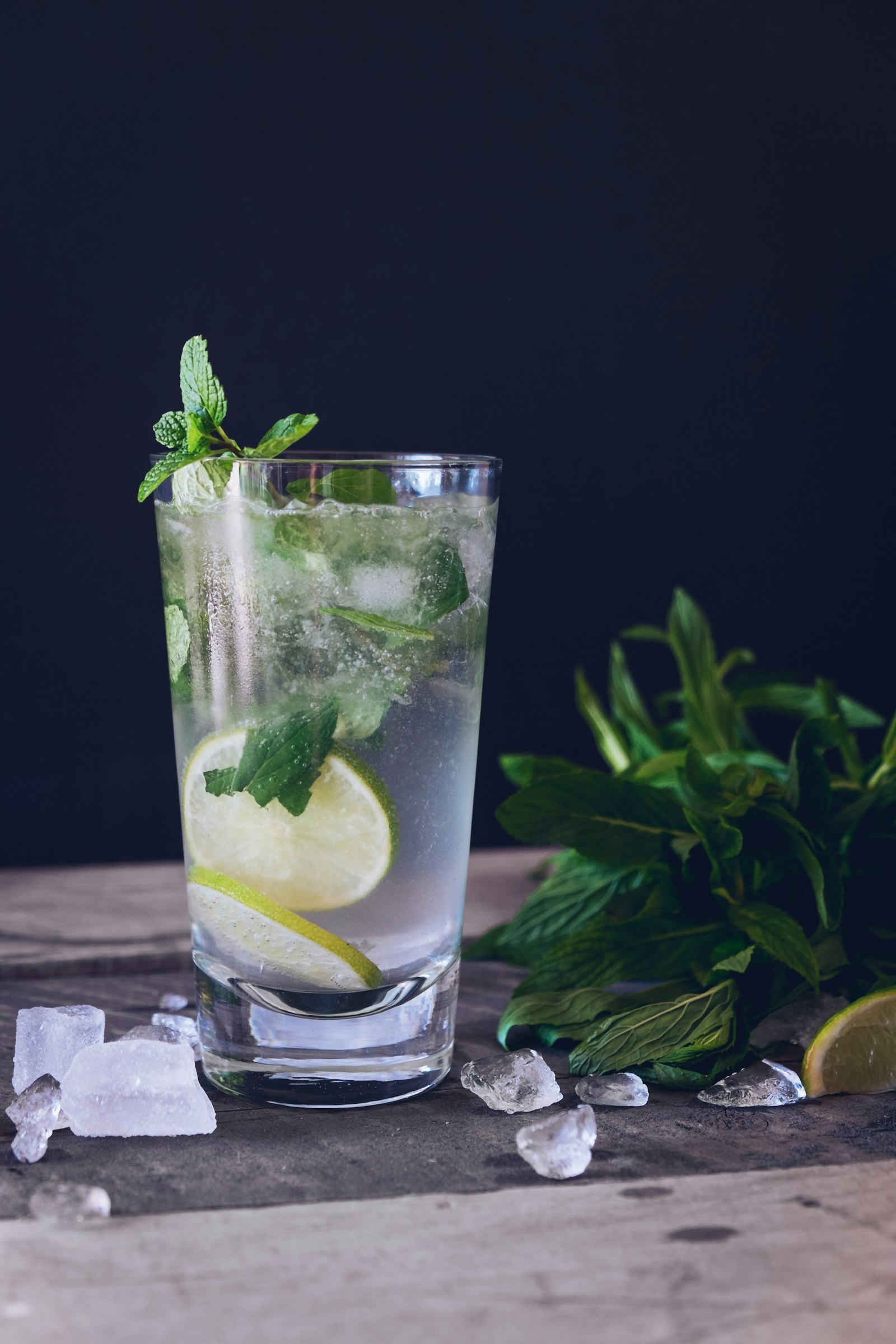
2. Grape fruit tea is not really selling “sweetness,” but a more mature kind of fruit presence
Many people hear grape and think first of sweetness. But the grape fruit teas that feel more convincing in 2026 are not selling childish sweetness. They are selling a fuller, more mature fruit presence. That is different from white peach’s airy pink softness, and different from lemon or orange, which establish memory fast through brightness and acidity. Grape works more by first stabilizing the drink’s presence through fuller aroma and darker color, then letting the tea base pull the whole cup back toward something cleaner and more repeatable.
That matters a lot in 2026. High-frequency fruit tea can no longer survive by saying only, “I am very sweet, very juicy, and full of pulp.” Consumers want presence, but not something that turns completely into juice. They want summer emotion, but not something cloying. They want social readability, but also a drink that still feels gathered by the end. Grape is especially good at handling that balance. It preserves the excitement of fruit tea without forcing the entire cup into a dense juice direction.
That is why grape increasingly behaves like a core material for what might be called dark-toned light fruit tea. The key here is not that “light” means empty. It means the structure is cleaner, the tea base is more readable, and sweetness does not have to dominate the front of the cup. Grape aroma is complete enough, and grape color is strong enough, that even when the whole recipe is pulled toward a cleaner direction it can still maintain presence. That is a major advantage over many pale fruits. Once sugar and toppings are reduced, pale fruit teas can look too empty. Grape usually does not. It naturally carries a thicker visual and aromatic outline.
3. Why is grape especially good at carrying visible pulp and social-media visibility?
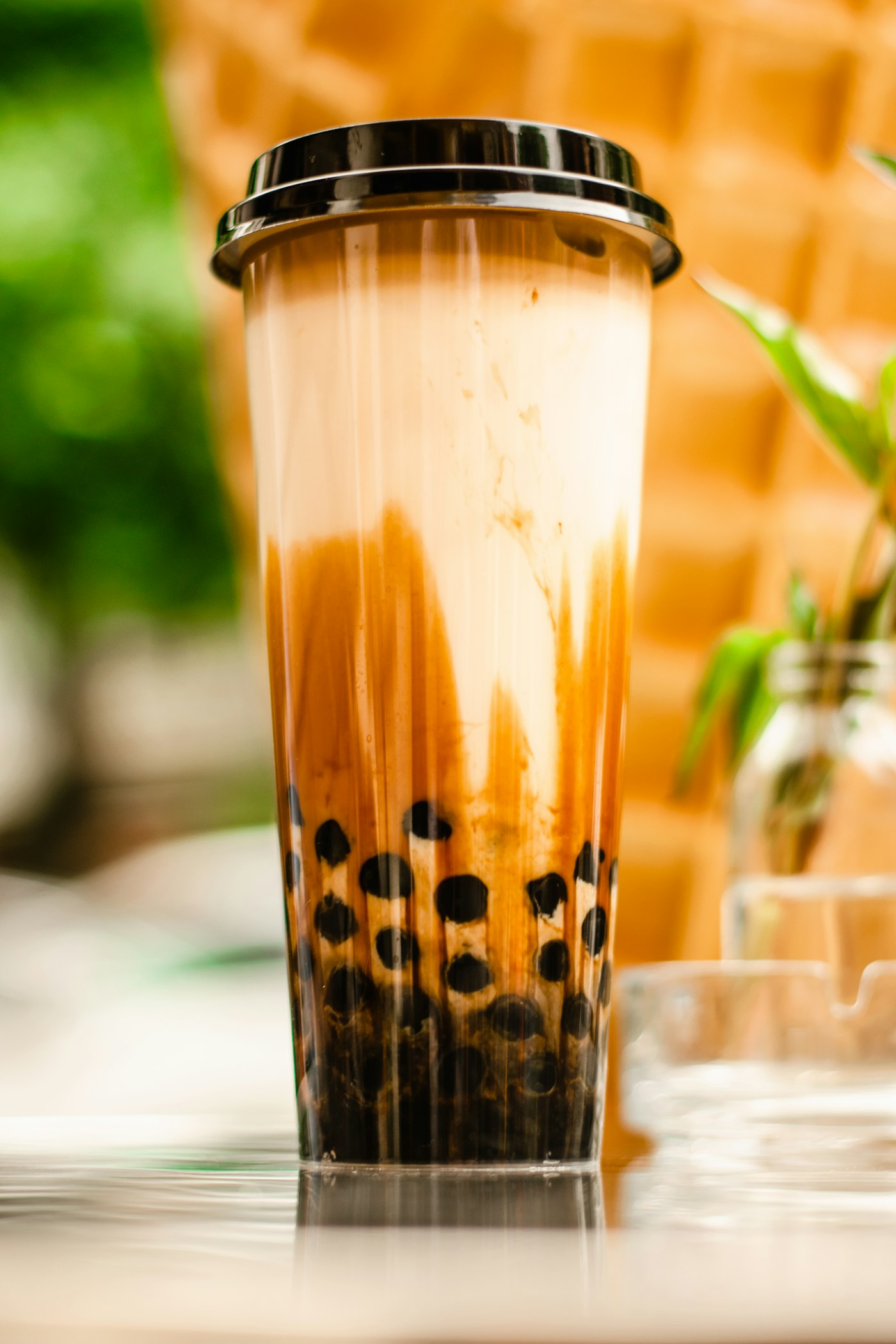
Because grape is almost naturally made for the logic of fruit tea that wants visible content. Compared with fruits that depend more on aroma or descriptive language to complete the imagination, grape is unusually easy to translate through color, pulp, ice, cup-wall texture, and visible fruit matter into one immediate message: this cup has content. Commercially, that is extremely useful. Consumers do not need to take the first sip before understanding it. The cup, the image, and the poster already do half the work.
Inside Chinese tea-drink internet culture, that kind of visibility has always mattered. Many of the highest-spread fruit teas are not the most complex cups in flavor terms. They are the ones whose visual structure is easiest to repeat. Grape has a built-in advantage because it brings dark color, visible pulp, and a transparent-cup read that quickly says summer, ice, juice, and value. Unlike clearer tea products, it does not need the brand to spend much time explaining tea base, aroma, or technique before the consumer is already partly convinced.
What matters more in 2026 is that this social visibility is no longer only about “looking good in photos.” It is increasingly functioning as product language itself. Visible grape pulp is not there just to create heat. It helps the cup establish its identity immediately: this is fruit tea, not pure tea; this is a high-visibility summer fruit tea, not a low-presence minimalist daily clear tea; this is a product designed to be seen, not only quietly consumed. Every serious menu still needs some products that do exactly that. Grape remains one of the most stable carriers of that job.
4. Why is it worth paying attention to CHAGEE placing Grape Jade inside its light fruit tea logic?
Because it shows that grape is no longer trapped inside the older imagination of “heavy pulp cup” or “old-fashioned dense fruit tea.” It is being rewritten inside a more modern fruit-tea classification. Once CHAGEE places Grape Jade alongside other cleaner, more energetic, more tea-readable fruit-tea structures, it sends a clear signal: grape can keep its strong visibility and pulp presence while still serving lighter, more tea-centered, more repeatable products rather than only dense sweet ones.
That is crucial in the 2026 fruit-tea market. Top brands increasingly do not want to define fruit tea only through density or huge loads of ingredients. They want to organize products by function and scene: some drinks carry hydration, some carry wake-up brightness, some carry floral identity, some serve after-meal or commuting moments. Grape’s role inside that system is usually high visibility, easy legibility, mature fruit aroma, and social prominence. It is not the same as lemon, which is better for wakefulness, brightness, and weather-driven necessity. It is not the same as coconut water, which is better for light hydration and body-state drink logic. Grape is more like the “front-stage content line” that summer fruit tea menus do not want to lose.
In other words, putting grape into light fruit tea is not weakening grape. It is recalibrating it. The point is not that grape should lose presence. The point is that grape can remain photogenic, fruit-forward, and highly visible without becoming too heavy, too cloying, or too juice-like. That recalibration fits the wider 2026 tea-drink trend extremely well: strong-presence products are not being removed. They are being rewritten toward cleaner and more repeat-purchase-friendly forms.
5. How does it relate to white peach, lychee, bayberry, and lemon-led fruit tea branches already mapped on the site?
This is not a replacement story. It is a story of finer role division. White peach is better at carrying pale color, softness, airy sweetness, and late-spring or early-summer lightness. Lychee is better at carrying floral fruit, summer-night mood, and lightly ripe sweetness. Bayberry is better at carrying regionality, strong seasonality, and a more specifically Chinese summer. Lemon and orange-grapefruit structures are better at wake-up brightness, hydration feeling, vitamin-C-coded scenes, and high-frequency daytime use. Grape occupies a very particular position among them. It is less functional than lemon, less airy than white peach, and less dependent on seasonal storytelling than bayberry, but it holds a very stable middle-to-high position in visibility and social repeatability.
That is exactly why grape is so well suited to big-traffic summer fruit tea. It is not limited to a very short seasonal window, and it is not easily thinned out by lighter-aesthetic writing the way some pale fruits are. It can satisfy two needs at once: first, it is easy to notice; second, it does not have to fully detach from tea. As long as the tea base is written clearly enough, grape does not automatically turn the whole drink into juice. Instead, it often creates a structure the market now likes very much: visually lively, but cleaner to drink than expected.
For the drinks section, that is worth recording because it shows how fruit competition in 2026 is not moving toward stranger fruits. It is moving toward clearer fruit roles. Which fruit handles weather-driven need? Which handles social visibility? Which handles evening light mood? Which handles high-frequency hydration? Which handles a more specifically Chinese summer? Those jobs are being redistributed. Grape stays strong not because it is universal, but because in “summer visibility” there are very few substitutes that work at similarly low cost and high efficiency.
6. Why is grape especially good at serving as a high-spreadability summer entry point?
Because the drinks that spread most easily in summer usually need to satisfy several things at once: strong color, visible content in the cup, a first look that is easy to understand, intuitive flavor associations, and a sense that this is exactly what current weather calls for. Grape does all of that very efficiently. It has dark fruit aroma, visible pulp, icy layering in a transparent cup, and a direct “summer fruit tea” association. Consumers do not need to think long before placing it in the category of drinks that fit the moment, fit the photo, and fit carrying around while walking.
Just as importantly, grape fruit tea is not as narrow as highly functionalized drinks can be. It can appear in large cups, collaborations, seasonal headline launches, and summer hero posters, but it can also function as a stable member inside light fruit tea series. It can carry the communication surface brands want and the practical sales entry stores need. Many highly visible products look good in pictures but do not repurchase well. Grape’s advantage is that, as long as tea base and sweetness are controlled, it does not naturally resist repurchase. It is one of the few fruit-tea types that can keep both “front-stage excitement” and “back-end sell-through.”
That is also why it keeps deserving updates even though it looks like an old subject. Every summer needs new entry points, but not necessarily new fruits. What the market often needs is to place familiar fruits back into structures that fit current aesthetics and repurchase logic. Grape continues to work in 2026 precisely because it has already proved that it can do this job: not inventing a brand-new taste, but acting as one of the most reliable visible entry points on the main summer fruit-tea stage.
7. Where are the limits of this trend? Grape does not automatically mean sophistication
First, grape can very easily slide back into becoming a heavy juice cup. Once sweetness grows too strong, the tea base fades too far, and the whole drink depends only on color and pulp, grape quickly falls from “mature-fruit tea” back into “a sweet drink with lots of juice and ingredients.” Consumers may not phrase it analytically, but the judgment will come fast: looks strong, drinks heavy.
Second, grape can also be miswritten as a product that sells only through visibility. High visibility is absolutely one of its strengths, but if the product logic stops at posters and color, without handling tea base, chill, finish, and real drinkability well, then grape can serve only short-term communication rather than long menu life. In 2026, even the most photogenic products can no longer survive as photo cups alone.
Third, grape does not suit every scene automatically. It is very good for summer, walking, social occasions, visible launches, and menu positions that need fast identity. But it is not necessarily ideal for extremely restrained, highly functional, or very low-presence tea tasks. In other words, grape’s value comes partly from not being universal. The more accurately a brand understands what it is best at, the better it can write grape. The more it tries to make grape do everything, the more likely it is to lose focus.
8. Why does this matter inside the site’s broader 2026 drinks map?
Because it belongs to the same larger map as several themes the site has already been following. Fruit tea’s return to the main stage shows that refreshing fruit tea has not left. Lychee iced tea shows how fruit tea can become more lightly ripe and more evening-coded. Bayberry iced tea shows how regionality and seasonality give fruit tea a more specifically Chinese summer identity. Orange-scented tea drinks and the vitamin-C cup map daytime frequency and brightness-driven scenes. The grape line, by contrast, secures the lane of high visibility, mature fruit aroma, social readability, and strong summer spreadability.
Put differently, grape fruit tea still deserves a separate article in 2026 not because it is new, but because it shows how much more precise brands have become in their understanding of fruit tea. The question is no longer only, “what fruit should we launch this year?” It is, “what role does this fruit tea actually play on the menu?” Grape carries visibility, front-stage energy, mature fruit aroma, and summer communication power. As long as those tasks continue to exist, grape will not become just an outdated old fruit. It will remain one of the most efficient fruit-tea branches on the front stage.
In the end, grape has not been pushed out in 2026 because familiarity does not equal irrelevance. What decides whether a familiar fruit still has value is whether brands can rewrite it into a structure that fits current aesthetics, repurchase logic, and communication needs. Grape still works because it remains unusually useful across all three.
Continue reading: Why fruit tea returned to the center of new tea competition, Why lychee iced tea became worth writing seriously again in 2026, Why bayberry iced tea returned to the front of the menu in early summer, Why orange-scented tea drinks became worth tracking again in 2026, and Why tea brands started taking the vitamin-C cup seriously.
Sources
- CHAGEE | Product page including light fruit tea and Grape Jade-related series information
- Related in-site features on fruit tea’s return, lychee iced tea, bayberry iced tea, orange-scented tea drinks, and the vitamin-C cup (March-April 2026).
- Synthesized observation of 2026 Chinese tea-drink language around grape, visible fruit pulp, dark-fruit aroma, light fruit tea, and summer spreadability.