Fresh tea observation
Why chenpi pu'er is shifting from an old-fashioned but reliable familiar name into a more mature tea-drink line in 2026: how chenpi feel, ripe-tea backbone, and after-meal, evening, or hot-drink scenes are being rebuilt
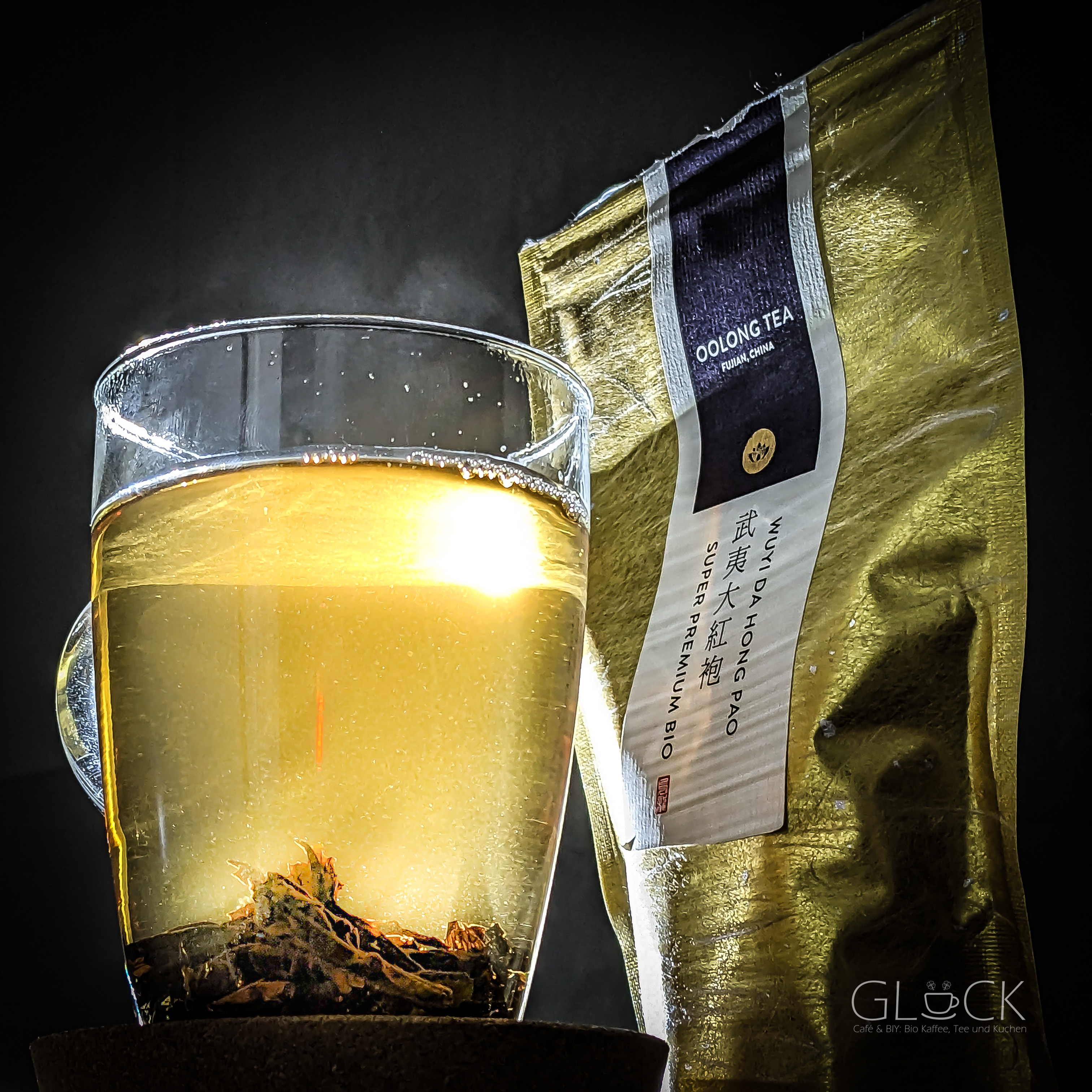
If 2026 fresh tea is increasingly taking old names that once belonged only to people who “kind of knew what they were ordering” and rewriting them into clearer product identities, then chenpi pu'er is one of the most revealing examples. It is obviously not a new name. Many consumers have heard it before and roughly know it points toward something warm, ripe, Chinese-leaning, and steady. What matters now is that it is being reorganized into a more mature drinks line: no longer only the familiar menu item that looks relatively smooth, safe, and low-risk, but a more serious closing-type tea structure for after-meal, evening, rainy-day, office-refill, and hot-drink scenes. Chenpi gives it closure, warmth, and a more restrained citrus-peel tone. Ripe pu'er gives it backbone, tail structure, and completion. What really makes it newly viable is that stores are finally learning how to manage the middle zone between them: mature but not oppressive, gentle but not empty, slightly caring but not task-like.
This is worth writing not because chenpi pu'er suddenly became the loudest trend in the industry, but because it sits exactly where several of 2026’s most important menu shifts overlap. In recent years, stores have been chasing cleaner, lighter, more repeatable, more everyday drinking logic on one side, while also chasing flavor language that is more identifiable, more internet-repeatable, and easier to reorganize by time-of-day on the other. Chenpi pu'er is unusually strong because it fits both directions at once. It has immediate Chinese-language legibility—consumers can see at once that it is not a loud fruit tea or a heavy dairy-dessert drink, but something steadier, smoother, and more controlled. At the same time, it leaves plenty of structural room: it can be written as a hot drink, an after-meal drink, an evening drink, or something for office refills, rainy days, and low-burden repeat use.
That is why chenpi pu'er now matters as more than a flavor name. It has become a way for stores to handle maturity. Unlike louder launches that depend on first-sip surprise, it is answering a different question: can a drink offer some warmth, some ripe-tea substance, some chenpi-style closure, and still not feel heavy, old, or task-driven? Can a drink feel recognizably Chinese without forcing the consumer into a dense traditional filter? Can a hot drink be right for weather and timing without only making sense in winter? Chenpi pu'er is becoming worth writing about again precisely because stores are starting to use it to answer those questions.
What this article looks at
Core question: why chenpi pu'er is shifting from a familiar old name into a menu language worth isolating in 2026 Signals: chenpi feel, ripe pu'er backbone, return of hot drinks, after-meal closure, evening scenes, office refills, low-burden repeat purchase, mature Chinese-style flavor identity Who this is for: readers trying to understand why stores are seriously managing tea drinks that feel mature but not heavy, smooth but not empty, and especially suited to closure and repeat use instead of only chasing brighter, louder, sweeter names
1. Why is 2026 the moment when chenpi pu'er becomes worth writing about on its own again?
Because at this stage, stores can no longer depend on “one more new name” to create novelty. Consumers are already familiar with most of the basic directions: what light milk tea feels like, what floral tea feels like, what Oriental iced tea feels like, what the after-meal cup or evening cup is supposed to do. The more valuable move now is not just inventing something entirely new, but reorganizing combinations that already existed without ever being clearly explained. Chenpi pu'er is exactly that kind of example. It has never been unknown, but for a long time it was often left hanging on menus as a familiar name that felt Chinese, smooth, and safe, without being seriously broken down: what does chenpi actually do? what does ripe pu'er actually do? what time of day suits it? why is it not the same as other citrus tea lines? why can it support repeat use better than many other hot drinks?
2026 is the right moment to reopen that question because more and more product language is moving toward clearer flavor identity and finer time-slot management. Earlier site features on tangerine-peel feel, the return of hot drinks, the after-meal cup, night-oriented tea drinks, and office refill logic all converge on the same point: stores no longer want to stop at saying a drink is warm, smooth, or Chinese-style. They want to explain how that warmth, smoothness, and Chinese-style identity are actually built. Under those demands, chenpi pu'er looks more valuable rather than less, precisely because it is a combination that can be explained.
More practically, it also suits the kind of consumer stores increasingly want to win: people who no longer want extremely thick, sugary, reward-coded drinks, but also do not want to spend all day with ultra-minimal cold tea. They want some content, some familiarity, some maturity, but not oppression, not old-fashionedness, and not the feeling that they are carrying out a wellness assignment. Chenpi pu'er sits right in that middle zone. It is not the youngest or loudest cup on the board, but it may be one of the easiest to rebuild into a long-term asset.
2. What chenpi pu'er really sells is not “tradition,” but a more mature and more controlled sense of completion
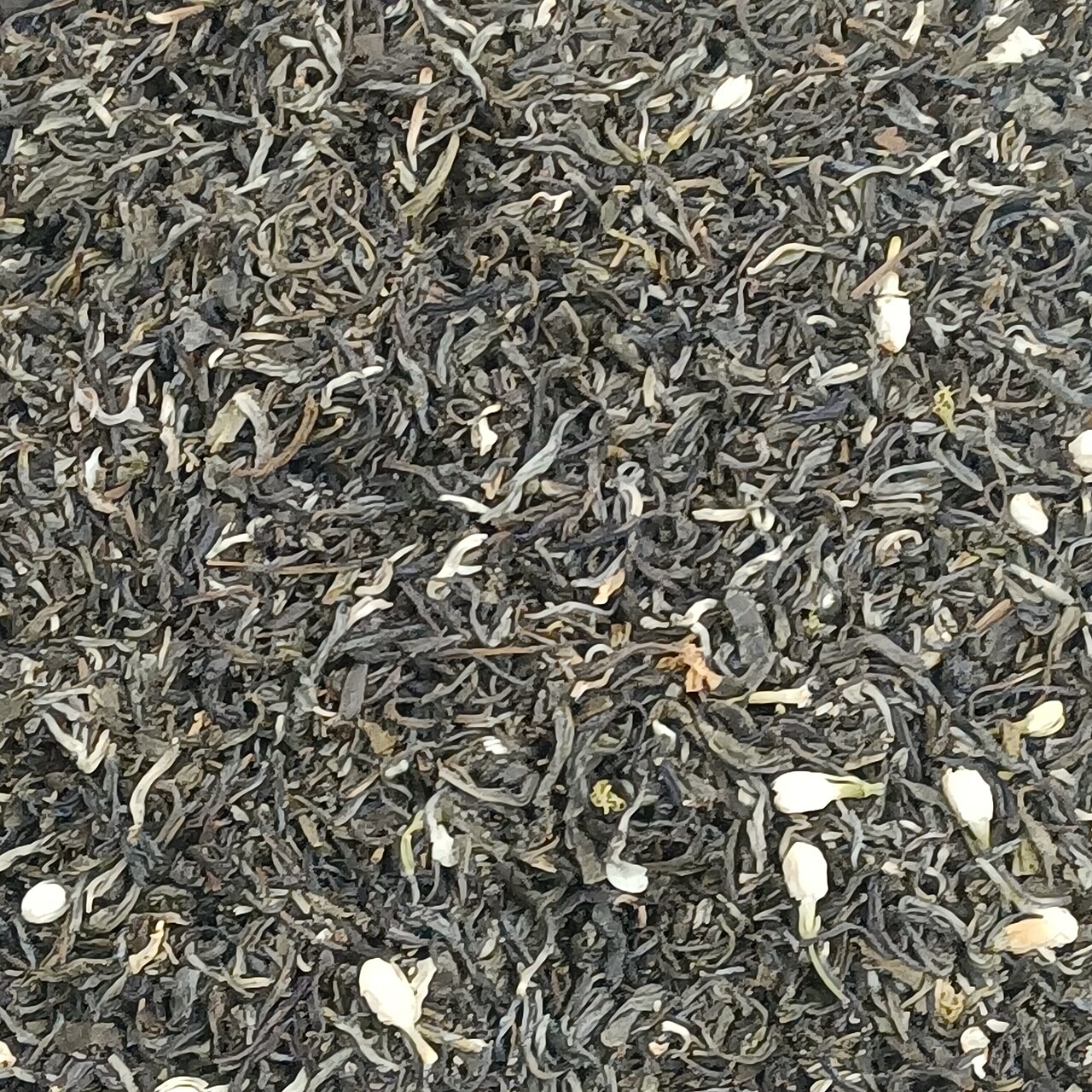
Many people first understand chenpi pu'er through the idea of tradition: something more Chinese, steadier, and slightly more caring. That is not wrong, but it is too broad. What actually keeps chenpi pu'er viable now is not that it resembles a traditional poster. It is that it has a very menu-ready order of movement: chenpi gives the cup a rounder citrus-peel aroma and a palate-closing effect, while ripe pu'er catches the tail so the drink does not scatter, float, or collapse into sweetness. What it offers is not “good traditional storytelling,” but a better-finished back half.
This structure matters because 2026 consumers are more sensitive than before to the idea of smoothness with shape. In earlier product cycles, the first sip did most of the work: was it fragrant enough, sweet enough, rich enough, photogenic enough? What matters more now is often the second sip, the third sip, and the feeling after finishing. When chenpi pu'er works, its strength is not first-sip impact. Its strength is that the later part still feels stable: the chenpi note remains but is not sharp, the ripe tea remains but is not dull, and in hot form the warmth remains without sending the whole cup toward a thick sweet-hot-dessert direction. What it offers is not noise, but completion.
That is also why chenpi pu'er is more suitable for long-term menu management than many drinks that rely only on a Chinese-sounding phrase. The word chenpi is easy to understand and easy to associate with care, but without a tea base like ripe pu'er to receive it, it can quickly become a cup whose name sounds right while the drink itself feels ordinary. Ripe pu'er’s job here is not to make the cup heavy. It is to make the cup steady. It turns chenpi from a floating symbol into a structural part of the drink. For a store, that kind of steadiness is often more valuable than a short-term aroma surprise.
3. Why does it fit so naturally back into hot-drink, after-meal, and evening scenes in 2026?
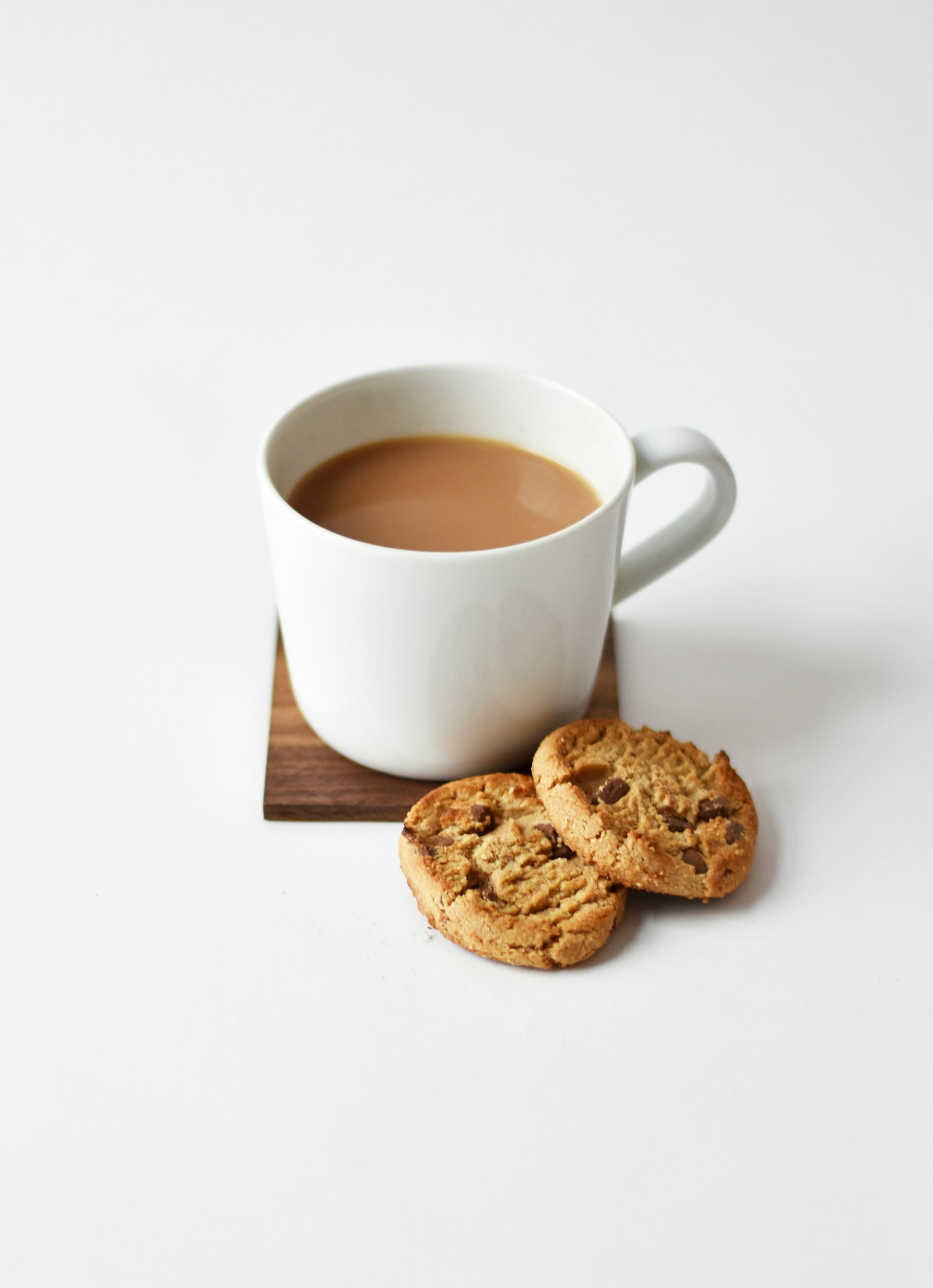
Because those scenes now need smoother drinks rather than brighter ones. After hot drinks started returning, stores ran into a practical problem: hot drinks do not automatically sell just because they are hot. Hot drinks that are too sweet, too thick, or too dessert-like remain hard to repeat at high frequency. Drinks that are too plain and too much like straight hot tea can feel too quiet for mass ordering. Chenpi pu'er becomes useful here because it has enough Chinese semantic logic and enough hot-drink legitimacy, but does not feel as heavy as thick dairy hot drinks. It has a clearer entry point than plain ripe tea, but avoids becoming as scattered as fresh-fruit hot drinks. For stores, it is a highly practical middle solution inside the hot-drink return.
The after-meal scene works in a similar way. After eating, many consumers do not want the most stimulating cup, and they do not want the most indulgent one either. They want something with some content, some closure, and some warmth, but not something that pushes body and appetite further into heaviness. Chenpi pu'er is very natural here. It has flavor, but not an aggressive one. It has a layer of chenpi-led care and Chinese-style closure, but not the density of a dessert hot drink. It has the stability of ripe tea, but does not need to be written as a rigid old-school wellness product. That is exactly the kind of middle answer after-meal high-frequency consumption often needs.
The evening scene works by the same logic. At night, many people do not want the most awakening cup, and they do not necessarily want the most indulgent one. They want something with some content and some mood, but nothing too loud, too cold, or too heavy. Chenpi pu'er works because it offers closure. It lets someone step back from daytime tempo without dropping them into blankness. It is relatively quiet without becoming dull. In 2026 that matters a lot, because more stores are competing for those subtle but extremely frequent moments.
4. Why does it feel more mature than many citrus tea lines without having to become old-fashioned?
This is one of the most interesting things about chenpi pu'er. Many citrus tea lines fall into one of two traps: either they become too young, like a bright fresh fruit tea, or they become too old-fashioned, like a concept that needs long traditional explanation. Chenpi pu'er’s real potential lies in the middle. It has enough mature structure because ripe pu'er naturally brings steadiness and a strong tail. But it also has enough lift because chenpi stops the drink from collapsing into the dull side of ripe tea. In that sense, it does not win through oldness. It wins through maturity.
The difference between maturity and old-fashionedness is a matter of measure. Old-fashionedness often means too heavy, too slow, too thick, too invested in proving traditional correctness. Maturity feels more like composure, boundary, and control without pressure. Consumers in 2026 are increasingly willing to pay for that state because it lets them avoid childish sweetness without forcing them into a serious connoisseur posture. Chenpi pu'er offers that middle position especially well: it looks a little Chinese, a little considered, but is still absolutely an everyday freshly made tea drink.
That is also what separates it from many citrus-fruit tea lines. Those are better at selling brightness, weather, and immediate refreshment. Chenpi pu'er is better at selling steadiness, middle tone, after-meal use, evening use, and a slightly more mature rhythm of life. It is not the right cup for everyone, but it is very suitable for people who are already tired of highly homogenized refreshing fruit-tea products and do not want to return to thick milk tea. That group is growing in 2026, which is one reason chenpi pu'er feels newly important.
5. Why is it especially good for the after-meal cup and the office refill cup?
Because chenpi pu'er is not the kind of product best suited to an empty-stomach rush or a commuter-style caffeine hit. Its real advantage is closer to carrying and closing. That aligns strongly with the site’s earlier themes of the after-meal cup and office survival supply. After a meal, consumers often do not want something too juicy, too milky, or too stimulating, but they also do not want plain water. Chenpi pu'er offers an excellent middle answer: it has flavor, but is not continuing the escalation; it offers a light sense of care, but does not push the consumer into task-like drinking; it has the stability of ripe tea, but not the distance of a very heavy traditional hot tea.
The office refill logic is much the same. In high-frequency reorder situations, the most valuable cup is rarely the most surprising one. It is the least regrettable one. If written well, chenpi pu'er can enter exactly that position: especially in the late afternoon, on rainy days, after long hours in air-conditioning, or when someone wants something warm but not too thick or milky, it feels immediately reasonable. It lets the consumer feel they are making a mild state adjustment rather than seeking emotional reward or moving themselves into a stronger stimulation mode. Cups like that often stay longer than products that look more like obvious blockbusters.
More than that, chenpi pu'er naturally plugs into a Chinese-language sense of “Chinese-style closure.” Compared with many flavors that require fresh education, it is easy to justify. Consumers may not describe its structure analytically, but they will naturally feel that after a meal this sounds smooth, that in the office later in the day it sounds low-risk, and that at night when they do not want anything too cold or sweet it also sounds suitable. That sense of “this seems right right now” is not a small thing. It is one of the strongest psychological entrances to repeat ordering.
6. Where are the limits of this trend?
First, chenpi pu'er is very easy to make sound more mature than it actually drinks. That is probably its biggest risk. The words “chenpi” and “pu'er” already carry Chinese, steady, careful, less-sweet connotations, so stores can gain linguistic advantage before the liquid proves anything. But if the tea base is weak, the chenpi is only surface aroma, and the hot-drink structure is poorly managed, consumers will notice quickly: the name sounds right, but the cup drinks ordinary. Unlike very heavy products that can hide weakness behind blunt stimulation, this restrained kind of drink exposes structural flaws more clearly.
Second, chenpi pu'er does not automatically mean lower burden or healthier drinking. It may be easier to read as lighter than thick milk tea or steadier than sweet hot drinks, but that is first a matter of flavor feel and scene fit, not guaranteed nutrition. Actual burden still depends on sugar level, milk amount, cup size, and the overall formula. Stores can use chenpi pu'er to build a more repeatable and more stable menu position, but they cannot treat the name itself as a passport that makes any recipe lighter.
Third, it is not meant for every time slot. For a first morning cup, for extreme heat relief, or for moments when someone wants a very sharp wake-up effect, it may lose to lemon tea, Oriental iced tea, or cleaner cold tea. Its strongest scenes are those that require carrying, smoothing, and closing. In other words, one of chenpi pu'er’s strengths is that it is not universal. Stores that understand that are often the ones that manage it most clearly.
7. Why does this deserve a place in the site’s broader 2026 drinks map?
Because it shows again that fresh tea is shifting from “more and more flavors” toward “clearer and clearer flavor identities.” The site’s earlier piece on tangerine-peel feel handled a lighter citrus-peel language and state adjustment. The return of hot drinks handled temperature and time slot. The after-meal cup and night-oriented tea drinks handled state and timing. Chenpi pu'er stands exactly where those lines cross: it is both a more mature, more complete version of chenpi feel and a more durable solution inside hot-drink structure, while also naturally connecting after-meal, evening, and repeat-refill scenes.
That means chenpi pu'er matters not because it is an isolated hot topic, but because it gathers several of 2026’s more important mid-level changes into one visible product form. Stores are becoming more serious about deciding what kind of citrus-peel aroma is useful for closure, and what kind of ripe-tea backbone can support high frequency. They are becoming more serious about operating hot drinks instead of treating them as seasonal side characters. They are also writing finer dayparts into the menu. Chenpi pu'er deserves separate attention not because it is the loudest part of 2026, but because it shows these quieter structural changes more clearly than many louder products do.
In the end, what its renewed relevance reveals is a growing need for mature everyday tea drinks: not heavier, not sweeter, not stranger, but steadier, smoother, more clearly identified, and better suited to certain moments. As long as that need continues, chenpi pu'er will remain more than a hot drink with an old name. It will stay as a chenpi-ripe-tea branch worth tracking inside the 2026 drinks map.
Continue reading: Why “tangerine-peel feel” is worth writing about again in 2026, Why stores are seriously returning to the hot cup, Why stores are competing for the after-meal cup, and Why tea drinks are becoming more night-oriented.
Sources
- Related in-site features on tangerine-peel feel, return of hot drinks, after-meal tea drinks, evening tea drinks, office supply logic, and tea-base identity (March–April 2026).
- CHAGEE | Oriental iced tea series (used as a reference for how 2026 chains keep writing tea bases, flavor identities, and product timing into repeatable language).
- Guming official site (used as a reference for how leading fresh-tea brands continue building high-frequency everyday drinking around a “drinkable every day” logic).