Fresh tea observation
Why the office refrigerator is rewriting the second-consumption logic of tea drinks in 2026: from unfinished fresh milk tea, light milk tea, and clean fruit tea to a cup designed for the desk, meeting gaps, and the pre-overtime restart
If fresh tea in 2026 is no longer organized only around the idea of “buy it and finish it immediately,” then one especially revealing change deserves to be separated out: office-fridge second consumption. For many drinks, the real path is no longer just the twenty minutes between pick-up and first sip. It is a longer chain: bought in the morning, sipped before a meeting, paused at lunch, placed into the office refrigerator, and resumed at two o’clock, three o’clock, or even before overtime. Once that path becomes common, the product problem changes. A drink no longer needs only enough aroma, ice, and sweetness for the first sip. It also needs tea, milk, sweetness, acidity, layering, dilution after partial melt, and re-entry smoothness that can still make sense after some time in cold storage.
That is why the “office refrigerator” now deserves to be written into the drinks section. It does not look like a product term, and it is certainly not a glamorous menu word, but it is quietly rewriting menus anyway: which fresh milk teas are better at being left half-finished, which lighter dairy teas avoid turning cloying after refrigeration, which fruit teas still hold together once the ice has partly melted, and which default sweetness levels do not become burdensome when the cup is reopened later. Tea drinks are increasingly assuming they will enter office space, which means they are increasingly assuming they must survive the second and third moments of being picked up again.
This shift is not mysterious. Office drink consumption has long been fragmented rather than complete and focused. Meetings, messages, desks, lunch breaks, coworkers, pickup errands, and return trips to the seat all cut drinking into pieces. Once the drink is fragmented, consumption gets divided into two phases: “immediate satisfaction on arrival” and “can this still be drunk later?” In the past, many tea drinks were built almost entirely for the first phase, so they focused on aromatic impact, thick caps, fruit bursts, overloaded toppings, and visual abundance. But once the second phase becomes more important, the logic gets more practical: the drink cannot become too greasy, too watery after melt, too sugary on re-entry, too dull in the tea-milk relationship, or too heavy in aroma when opened again in the afternoon.
This connects neatly with several lines already established on the site. It links to office survival tea drinks, because the desk scene naturally turns beverages into interrupted consumption. It links to simpler defaults, because drinks that must survive second consumption are less suited to over-complicated structures. It links to the return of light milk tea, because lighter dairy and fresh-milk structures are better candidates for resumed drinking than heavy, overly sweet formats. It even forms a reverse relationship with small-cup logic: precisely because many medium and large cups are not actually finished at once, the office refrigerator becomes the relay station that helps large-cup logic survive in real workday life.
1. Why is “put it in the office refrigerator and finish it later” no longer just a personal habit, but a consumer reality that products must answer?
Because it is no longer an occasional behavior. It has become a very natural workday drinking rhythm, especially for medium and large fresh milk tea, lighter dairy tea, and cleaner fruit tea. The path is familiar: order in the morning to steady the day, support desk time, or accompany a simple lunch; finish it only much later in the afternoon. Once that pattern is common enough, products can no longer pretend they live only in the first twenty minutes after assembly. Brands may never print “office-fridge compatible” on a poster, but they can move closer to the logic in subtler ways: more stable cup structures, more restrained default sweetness, cleaner tea bases, lighter dairy, and aroma that depends less on a single explosive peak.
This matters because it changes what it means to “finish a drink.” The old endpoint was clear: buy it, insert the straw, drink it while walking, empty the cup. Now the endpoint is stretched. A cup may begin at ten, pause at eleven, go into the refrigerator at lunch, resume at two, and be finished at four. In other words, one tea no longer belongs only to one moment. It crosses multiple workday scenes. It must make sense in the morning and still make sense in the afternoon. It must taste right when fresh and still taste coherent after partial melt and temperature stabilization. That is a harder requirement than immediate pleasure alone.
So the office refrigerator is not a side detail. It is a real test of product durability. Drinks that survive cold storage and resumed drinking more gracefully are more likely to become true high-frequency desk beverages. By contrast, drinks that depend entirely on the first noisy sip but collapse after ten or fifteen minutes are placed at a growing disadvantage in this scene.

2. Why do fresh milk tea and light milk tea enter this office-fridge second-consumption path especially easily?
Because they naturally occupy a very strong middle position: more supportive than plain tea, less guilty than older heavy milk tea, and more stabilizing than pure fruit tea. For workday life, that position is powerful. Many people buy fresh milk tea in the morning not only because they want sweetness, but because they want a steadier state: some tea, some milk, some smoothness, some sense of substance, but not something so meal-like that it drags the afternoon down. Precisely because these drinks often perform that stabilizing function, they are also more likely to be forgiven for not being finished immediately. They can be paused and resumed in the next segment of the day.
And in cold storage, fresh milk tea and lighter dairy tea are, in principle, more controllable than products that depend heavily on fresh pulp texture, shaved-ice volume, or complex topping architecture. As long as the tea base is clean enough, the milk light enough, and the sweetness restrained enough, they have a reasonable chance of preserving smoothness and steadiness when reopened later. That also helps explain why public product language now so often stresses tea-base quality, whole leaves, fresh milk, natural aftertaste, smoothness, and the avoidance of artificial excess. On CHAGEE’s public fresh-milk-tea page, for example, “Boya Juexian” places jasmine snow bud, quality milk, layered structure, and a long finish together; products such as “Wanli Mulan” and “Guifu Lanxiang” similarly emphasize the balance among tea aroma, milk, clean sweetness, delicacy, and smoothness. That language is of course selling immediate taste first, but it also naturally fits the imagination of a drink that can still make sense after refrigeration.
In other words, fresh milk tea and lighter dairy tea survive more easily in the office refrigerator not because they are more dramatic, but because they are more stable. And stability itself is an unusually strong advantage in high-frequency workday consumption.
3. What kinds of tea drinks are most afraid of the office refrigerator?
The drinks that suffer most are not necessarily the worst-tasting ones. They are the ones that depend too heavily on immediate structure. Products built on large quantities of crushed ice often lose their whole volume logic after melt. Drinks that rely on a thick upper cap and a dramatic first salty-sweet contrast may turn blunt after standing. Products that depend on popping boba, toppings, or pulp to create a sense of “there is something in the cup” often produce a boring first half and a heavy last half once they sit. Extremely sweet, heavily aromatic, and overly rich drinks may feel satisfying on arrival, but in an afternoon resumption they often magnify fatigue and sugar heaviness.
That is why office-fridge second consumption naturally favors cleaner, simpler structures that win less through spectacle. Complex products are not impossible to sell. They are simply harder to stretch across time. The more a drink depends on short-term impact, the more it fears delay. The more it depends on long-range drinkability, the better it fits delay. This is the same logic already visible in site themes around simpler defaults, topping reduction, and drinks that taste more like tea than syrup.
So the office refrigerator is brutally selective. It does not score products by launch poster or store lighting. It scores them by one question: when you open the lid again at three in the afternoon, do you still want to keep drinking?
4. Why does this push back toward simpler defaults, more restrained sweetness, and cleaner tea bases?
Because a drink heading into second consumption is most vulnerable to becoming muddied over time. “Muddied” here does not mean unsanitary. It means its taste logic loses order: aroma gets stuffy, sweetness gets sticky, dairy turns blunt, acidity turns empty, and melt flattens whatever layering had been built through stacking. The easiest way to avoid that is usually not to add even more structure, but to make the basic structure cleaner in the first place. Simpler defaults, more restrained sweetness, clearer tea bases, lighter dairy, and fewer excessive toppings may sound like a matter of taste culture, but they also have a very practical second-consumption explanation.
This also explains why some drinks are not the most explosive in the first sip but perform better in repurchase. They are not chasing a single peak. They are chasing a longer drinkable interval. You can drink them immediately or later. They can work with morning work or afternoon reset. In office scenes, products with a wider drinkability interval are often more durable than products built around a sharper but shorter climax.
Seen this way, the office refrigerator pulls issues that once belonged to specialist review language directly into mass daily life. Holding quality over time, readability after melt, and re-entry comfort after refrigeration are no longer edge topics. They are moving closer to real purchase reasons.

5. Why does desk-side resumption turn a drink into something with a bit of time-management logic, not just taste logic?
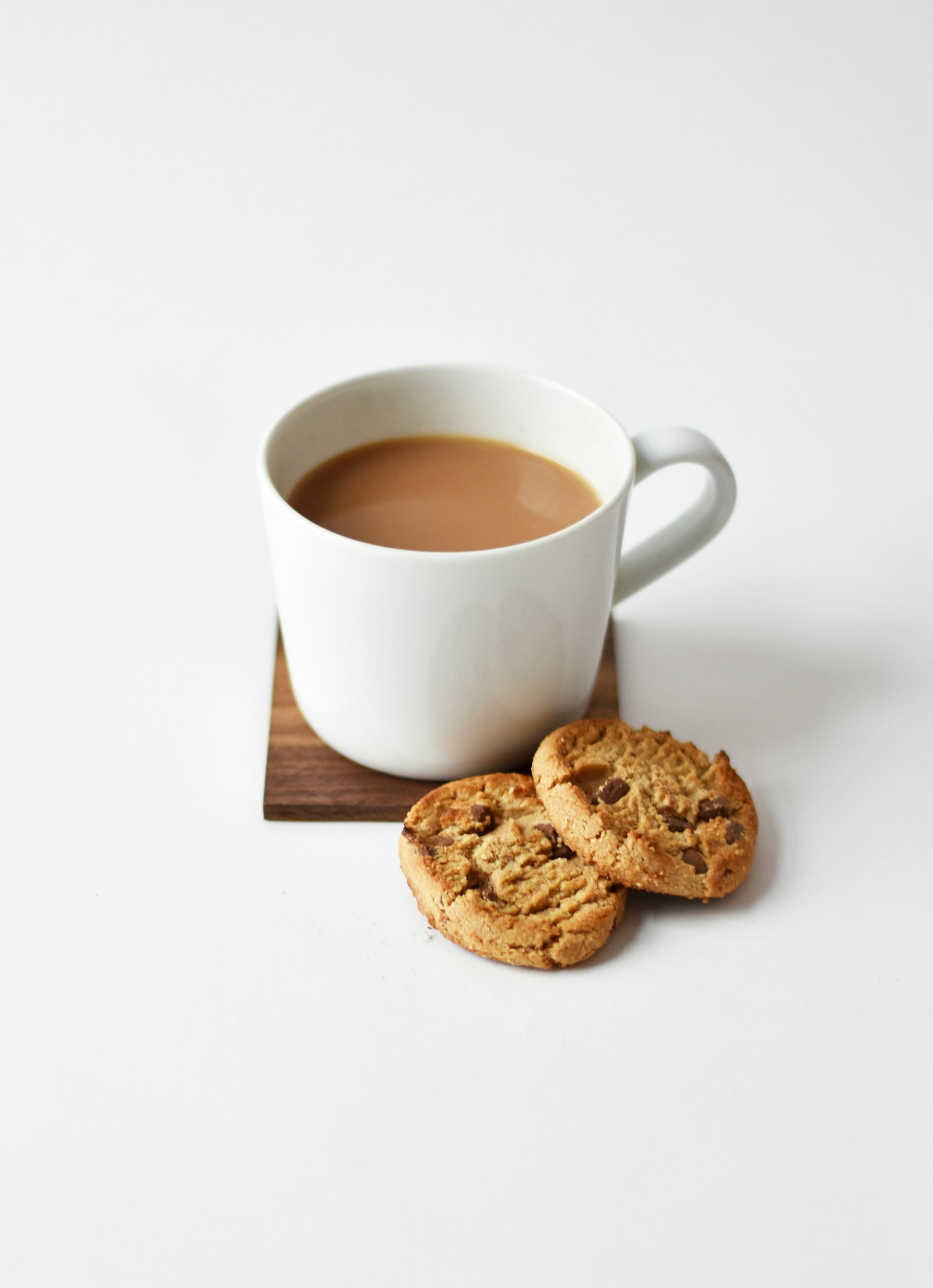
Because the question stops being only “what do I want to drink?” and becomes “how do I want to get through today more smoothly?” Much workday tea consumption already carries this time-management color: a morning cup starts the day, a midday cup bridges, an afternoon resumption extends stamina. The office refrigerator amplifies that feeling. Putting half a cup into the refrigerator is not random. It means you are assuming you will need it later. The drink becomes a small, ordinary self-organization tool.
That also helps explain why people form strong feelings that certain teas are “for the desk.” It is not always because they dominate every other drink in pure flavor terms. It is because they cooperate better with the rhythm of the workday: unobtrusive in the morning, not burdensome in the afternoon, not too collapsed after refrigeration, and still orderly when reopened. For high-frequency consumers, that kind of order can be more valuable than pure surprise.
So the office refrigerator does not make tea drinks more romantic. It makes them more realistic. It forces products to move from “the first sip is good” toward “the second pickup should not be embarrassing.” Once that becomes important, the design standard changes with it.
6. Why does this belong inside the larger 2026 evolution of the drinks section?
Because it shows again how fresh tea is increasingly being retrained by workday reality. It is no longer named only by flavor, and no longer named only by visual or social spread. It is increasingly named by time slot, use scene, bodily state, and the ways consumption gets interrupted. The office refrigerator is one of the most concrete, least glamorous, but most powerful places in that retraining process. It acts as a silent transfer station: turning immediate consumption into delayed consumption, and turning “win the first sip” into “survive the afternoon.”
This matters not because brands will loudly announce “good for the office refrigerator,” but because more and more products are already quietly growing in that direction. Fresh milk tea, light milk tea, cleaner fruit tea, and simpler medium-to-large cups are all being filtered by this scene. The drinks that can survive it are more likely to become true high-frequency weekday beverages. The ones that cannot are more likely to remain launch noise and short-term talking points.
At bottom, what deserves rewriting in 2026 is not only flavor itself, but the relationship between tea drinks and time. The office refrigerator looks like a peripheral detail, but it is actually one of the most realistic and honest tests of that relationship.
Related reading: Why tea drinks are becoming office survival supplies, Why tea menus in 2026 prefer simpler defaults, Why light milk tea returned to center stage, Why tea drinks are becoming smaller in cup logic, and Why bottled tea came back.
Sources
- CHAGEE | fresh milk tea series
- CHAGEE | fruit tea series
- Synthesized writing based on Chinese-language observation of the 2026 workday office pattern of “buy in the morning, resume later, cold-store at the desk area, reopen between meetings, and leave medium-to-large cups unfinished by default,” combined with existing drinks structures on the site.
Source note: this article explains how the office refrigerator is feeding back into the product structure and second-consumption logic of fresh tea in 2026, rather than miswriting delayed drinking as a single brand’s invention. Brave search was unavailable in this environment, so the article was completed directly from publicly fetchable pages, existing drinks structures, and Chinese scene-based editorial synthesis. No bot-tasks and no bot-tasks-async-repo were used in this run.