Fresh tea drink observation
Why Kumquat Tea Drinks Are Worth Writing as Their Own 2026 Story: From a Familiar Southern Chinese Sweet-Tart Wake-Up Note to a Small-Cup Tea Better Suited to Hot Weather, Post-Meal Moments, and Mid-Commute Drinking
If you place spring-summer 2026 tea menus next to Chinese-internet discussions about lightness, wake-up clarity, hot-weather state management, and what to drink after a meal without feeling weighed down, one middle subject becomes worth pulling out on its own: kumquat tea drinks. They do not carry the same sharp, direct, immediately forceful wake-up feeling as lemon tea, nor do they rely on the fruit flesh, sweetness, and fullness logic of heavier fruit teas. Kumquat is smaller, rounder, and more controlled. Its acidity is less straight than lemon’s, and its sweetness is not the broad, lush sweetness of tropical fruit. That makes it especially suitable for being written as a cleaner, smaller, more precise tea drink. That is why kumquat tea drinks deserve a place in the drinks section in 2026: what they sell is not the loudest summer fruit tea, but a tea structure better suited to hot weather, post-meal moments, mid-commute drinking, and light state-adjustment occasions.
This matters not because the industry suddenly discovered kumquat, but because stores are finally giving it a clearer position. In the past, kumquat often sat inside vague categories like lemon-tea variants, citrus fruit tea, or softer niche sour-sweet options. It behaved more like a supporting ingredient: adding brightness, trimming sweetness, and leaving a familiar citrus memory. By 2026, however, menus have become more granular. Many stores are no longer satisfied with sorting fruit only by sweetness or acidity. They are increasingly organizing drinks by state and time slot. Which drinks work after a meal? Which work in hot-weather commuting? Which fit a quick small-cup purchase? Which help when someone wants a drink that feels cleaner without feeling empty? Kumquat fits that increasingly valuable middle zone very well.
It also connects closely to themes the site has already covered: it relates to post-meal tea drinks because kumquat naturally handles the task of lightly tightening and clearing the mouth after eating; it relates to small-cup tea drinks because its strength usually lies not in big-cup indulgence but in a short, precise, well-explained purchase; and it also belongs beside all-day hot lemon tea and the language of cooling-factor lemon tea, because it shows that “wake-up citrus” no longer has to mean colder, sharper, and harder. It can also mean rounder, steadier, and easier to enter.
1. Why is kumquat becoming worth writing about on its own in 2026, instead of remaining just a side branch of lemon tea?
Because what kumquat adds is not simply another citrus flavor. It adds a more measured way of waking up the palate. Lemon tea has very clear strengths: it is fast, direct, bright, and especially effective when brands want to stress wake-up sharpness, de-greasing, and immediate relief in hot weather. But as menus become more refined, stores also realize that not every consumer wants to be pushed that directly at every moment. Many people are not asking for something more intense. They are asking for something more precise. Not harder, but cleaner. Not “wake me up right now,” but “lighten my mouth and my state a bit, without hitting too hard.” Kumquat tea drinks are becoming visible because they are especially good at exactly that softer correction.
Kumquat acidity is usually rounder than lemon’s. Its aroma leans more toward peel and citrus oil than toward a straight acid line, and a slight peel bitterness actually helps it read as a more mature small-cup tea. It does not need heavy fruit flesh or an extreme juice effect to prove value. It does not need overwhelming ice sensation to prove freshness. It works better as a carefully organized citrus wake-up structure: some tart aromatic brightness at the front, a tea base through the middle, and a little peel-like recovery at the end. For 2026 menus that increasingly depend on repeat purchase, that extra step from “tastes good” to “finishes cleanly” is very valuable.
Just as importantly, kumquat naturally carries an everyday Southern Chinese and street-drink familiarity. Unlike some newer fruits, it does not need a full educational preface, and unlike some highly regional produce, it is not trapped too narrowly inside origin-specific memory. For many Chinese readers, the word kumquat immediately suggests hot weather, sugared or salted fruit, post-meal small fruit, convenience-store drinks, and a gentle clearing effect in the throat and mouth. Stores do not have to invent meaning from zero. They only have to translate that familiar everyday experience into a modern made-to-order tea structure. That is why kumquat tea drinks in 2026 begin to look less like leftovers and more like a stable product branch.
2. What do kumquat tea drinks really sell? Not bigger fruit satisfaction, but cleaner finishing efficiency
Many summer fruit teas sell immediate fullness: juice-like presence, sweetness, visual abundance, and emotional reward in the first sip. Kumquat is not built for that. What it does best is give the feeling that, after drinking, the mouth and the body have both been lightly rearranged. This is not a sports-drink kind of functional shock. It is a very urban, very frequent, very small correction: you just ate and do not want something too thick or too sweet; the weather is muggy and you want something with presence but not pressure; you are in the middle of a commute and want something more expressive than water but lighter than a heavy tea or milk drink. Kumquat works especially well in those moments because it sells cleansing, not overload.
A cleansing drink is not the same thing as a thirst-quenching drink. Thirst-quenching drinks emphasize volume, speed, and coldness. Cleansing drinks emphasize tightening, transition, and a cleaner finish. Kumquat’s advantage sits in the second category. Its aroma comes less from thick fruit flesh and more from peel aroma, citrus oil brightness, and a manageable acidity. Its memory point is not “bursting juice,” but “this cup didn’t drag when it ended.” For 2026 menus increasingly organized around “the post-meal cup,” “the second-stage cup,” and “small-cup action consumption,” this style is very easy to write into a repeatable product.
That means the value of kumquat tea is not that it is more luxurious than other citrus. Its value is that it controls proportion better. It does not need to push acidity to the limit, and it does not need to fill out sweetness. As long as the tea base is clean, the citrus is bright, and the sugar level is restrained, the cup stands very naturally. For stores, this kind of product is precious: it may not become the loudest poster hero, but it is very likely to become a stable answer when someone says, “I don’t want anything too heavy today.”
3. Why does kumquat work especially well with lighter tea bases, jasmine green tea, and lighter oolongs, rather than with thicker, fuller fruit-tea structures?
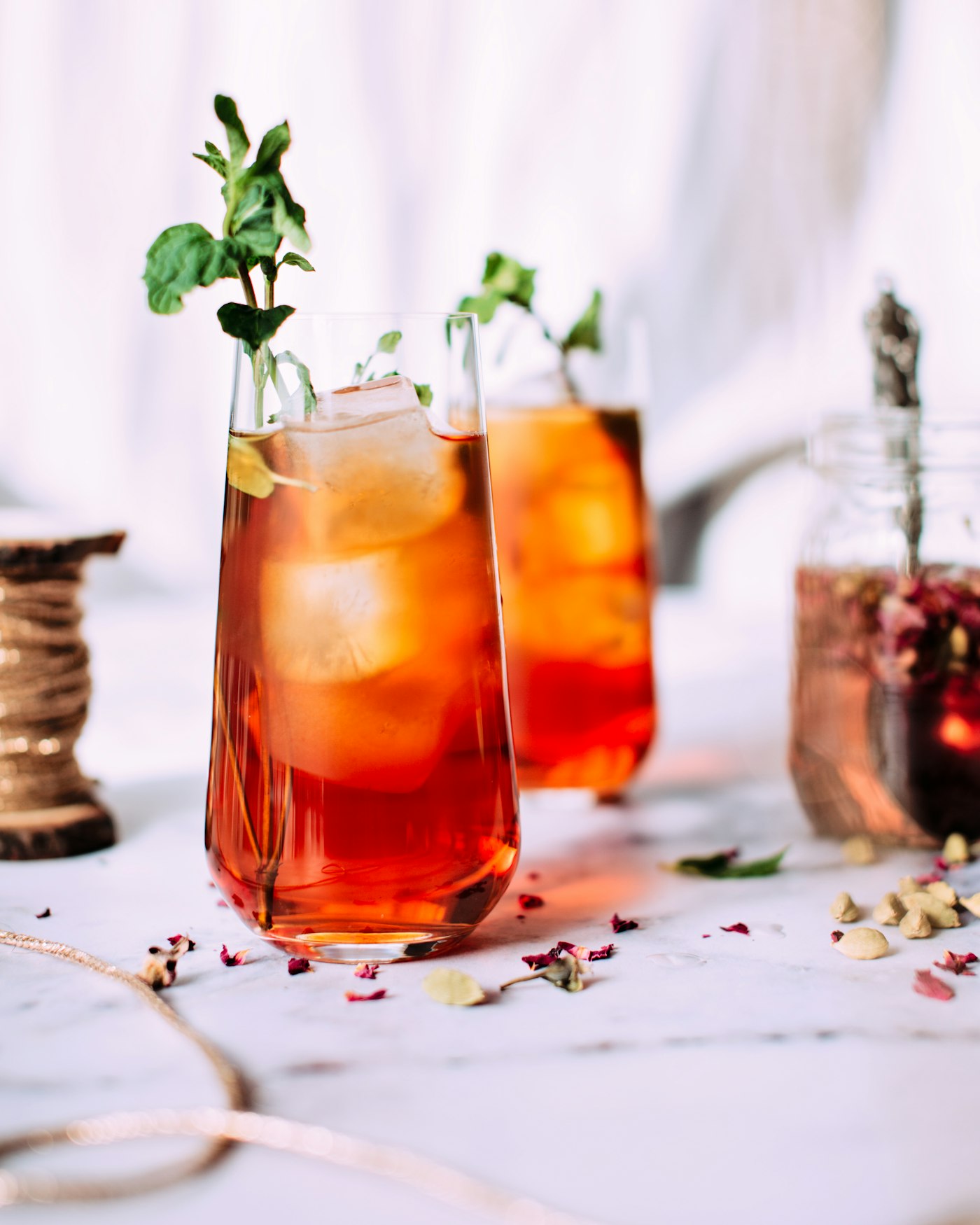
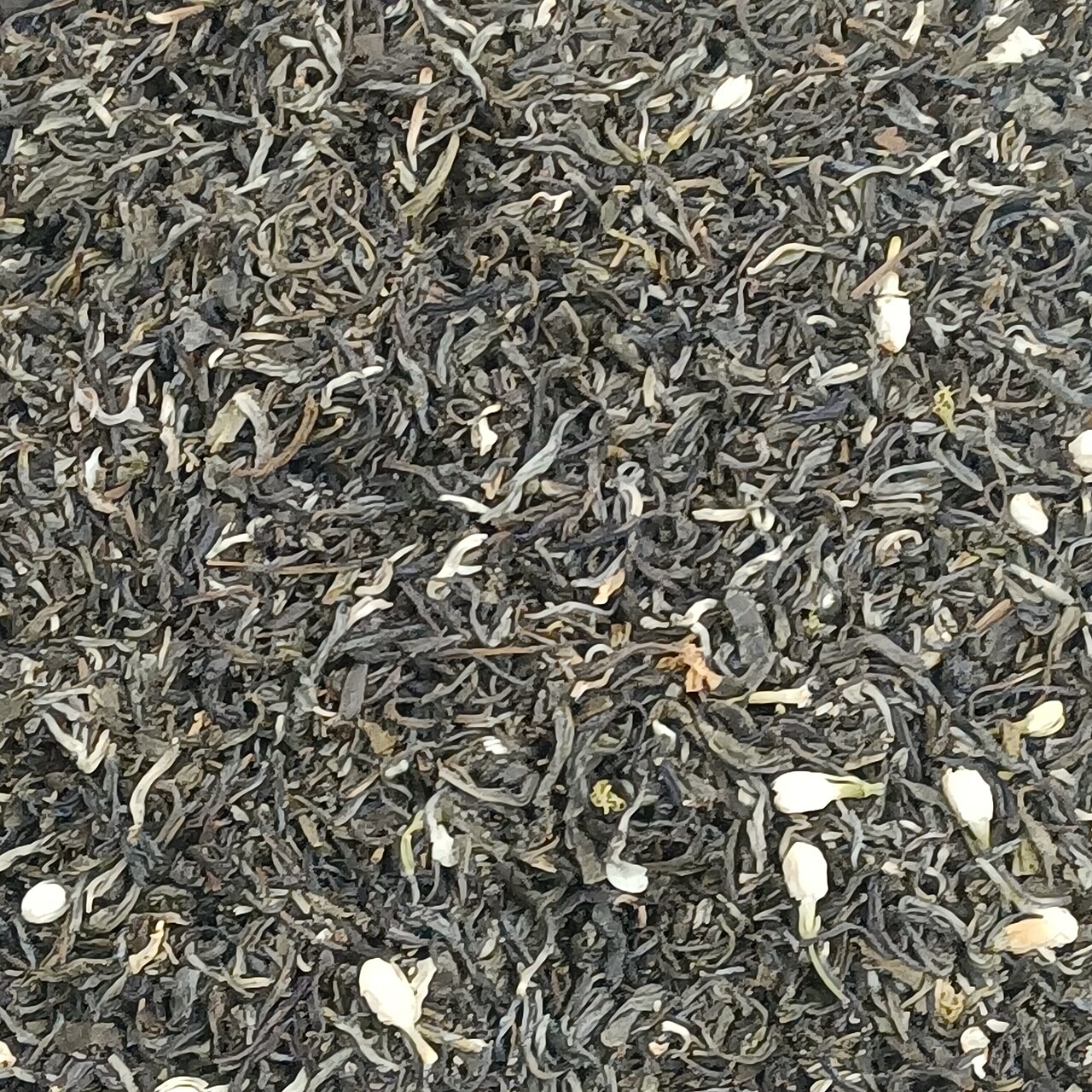
Because kumquat is not there to cover the tea. It is there to help the tea clarify the finish. Fruits like mango, pineapple, or grape can quickly take over a cup once their proportion rises. Kumquat behaves differently. Its presence is more edged, more detailed, and more like a bright peel aroma laid over the outside of the tea. That means it works best with tea bases that are already lighter, clearer, and more capable of letting floral and clean aromas move forward, such as jasmine green tea, pearl-tea systems, lighter oolongs, or even some Oriental iced tea structures. In those setups, the front gives you kumquat brightness and light tartness, but the tea can still return in the back half. The result is not merely “a citrus drink,” but a tea that keeps its identity.
This seems like a small difference, but it matters a lot. Because one of the big questions in 2026 tea drinks is not just whether a drink contains fruit, but whether it still reads like tea. Kumquat is naturally suited to that direction. It does not rely on large fruit chunks for visual proof, or on high sweetness for memorability, or on heavy juice texture for value. So it has to stand through structure. If the tea base is light without being empty, kumquat can sharpen its outline. But if the tea base is muddy, the sugar too high, or the ice too heavy, kumquat’s most valuable traits — peel aroma and finishing recovery — disappear. In other words, kumquat tea does not win by adding more. It wins by keeping boundaries clear.
This also explains why it works well in small-cup products. Small cups fear emptiness, but they also fear heaviness and dull endings. Kumquat with a lighter tea base keeps a very useful rhythm inside a restrained volume: bright opening, steady middle, clean finish. It does not need a giant cup to prove it is worth ordering, and it does not need lots of extra toppings to feel complete. In fact, the more controlled it is, the more whole it feels. For repeat purchase, that wholeness is usually more valuable than a loud pile-up of ingredients.
4. Why is it especially suited to post-meal moments, hot weather, and mid-commute drinking, instead of functioning as an all-day universal answer?
Because kumquat-style tea is basically an action drink, not a full-session companion drink. Its most natural places are very specific: after lunch or dinner when the mouth feels oily, sweet, or sticky and needs tightening; in hot weather after some walking, when you do not want a heavy milk tea but do not want plain water either; in the middle of an afternoon commute when you want something with a bit of brightness and structure but not too much weight. These moments are not asking for maximum satisfaction. They are asking for the right small correction. Kumquat is especially good at that.
Compared with lemon, kumquat corrects more gently. Compared with heavier fruit teas, it feels much lighter. Compared with plain tea, it offers a more easily readable entrance. That is why it works especially well after meals and during commuting. Consumers may not formally say, “I want a cleansing kumquat tea,” but they very naturally say things that mean nearly the same thing: I want a smoother citrus drink today; not too sweet; not too big; something that closes the meal a bit; something light for the hot weather. Those everyday phrases are exactly what kumquat tea is suited to receive.
That is also why it works so well alongside small-cup logic. Small-cup strategy is not just about shrinking volume. It is about rewriting a drink as an action: one cup after a meal, one in the middle of a commute, one while walking in hot weather. The logic of kumquat tea has never depended on large-volume indulgence. It depends on precision, lightness, and clean finishing. It does not need huge size to prove value, and it does not need many toppings to manufacture “worth.” Once the volume is restrained, the most valuable parts of kumquat — light tartness, peel aroma, cleansing finish, and recovery — actually survive more clearly.
5. What is its relationship to lemon tea, sea-salt lemon tea, and preserved lemon-style citrus drinks? Not replacement, but a finer internal split inside citrus tea
This is not a story of replacement. It is a story of clearer boundaries. Lemon tea handles sharper wake-up force, brighter acidity, and more efficient hot-weather stimulation. Sea-salt lemon and preserved-lemon-style citrus tea add micro-salty return notes, replenishment language, and stronger post-meal and hot-weather positioning on top of that. Kumquat tea then pulls this citrus language in another direction — from more direct to more rounded, from harder to smoother, from sharp wake-up force to lighter cleansing recovery. In that sense, it does not reject lemon tea. It makes the internal division inside citrus tea drinks more detailed.
This kind of segmentation matters for 2026 stores. A mature menu no longer throws all refreshing drinks into one vague summer-fruit bucket. It answers more specific questions: which drink works when someone needs to wake up immediately in muggy heat? Which works after a meal? Which works in afternoon commuting? Which works as a small-cup, high-frequency repurchase? Kumquat tea deserves attention because it answers one of those sets very naturally. It may not be the most thirst-quenching cup, but it is often the least likely to go wrong. It may not be the brightest one on the poster, but it may be the cleanest one when it ends.
So what deserves recording is not simply whether brands are making kumquat drinks, but whether brands are beginning to write kumquat as a product move with its own independent reason to exist. As long as it remains only a side flavor next to lemon tea, its value stays hidden. But once it is clearly placed into post-meal, hot-weather, commuting, and small-cup slots, it stops being a side character and becomes a drink with its own position.
6. Where are the boundaries of this trend? Kumquat does not automatically mean premium or healthier
First, the easiest way to ruin it is to make it too thick in the name of looking substantial. Once sugar is too high, fruit puree too heavy, or ice too aggressive, the cleansing finish and recovery that make kumquat valuable disappear, and the drink slides back into ordinary sweet fruit tea. Second, it can also be made too empty. Many stores hear “light,” “small cup,” and “post-meal,” then reduce everything until only vague aroma and lots of ice remain. That version may photograph well, but it does not invite repurchase. A real kumquat tea must keep its tea base, its peel-like edge, and its clean finish.
Third, kumquat tea is first a consumer language, not a functional promise. It can stand next to hot weather, post-meal moments, lighter replenishment, and state adjustment, but that is still a way of organizing how consumers read the cup. It is not the same thing as a complete functional solution. If brands write it as “a smoother, cleaner, more suitable cup for this moment,” that usually works. If they over-write it as a grand all-purpose health or replenishment answer, the drink loses its real charm.
So its boundaries are clear. You can market kumquat’s lighter tartness, peel aroma, roundedness, and cleansing finish, but those qualities must survive the first sip, the back half, and repeat purchase. You can make it look refreshing, but it cannot be only visual. You can make it rounder than lemon, but not so soft that the cup collapses. A truly valuable kumquat tea is never “louder citrus.” It is “citrus tea that knows how to finish.”
7. Why does this deserve a place in the larger 2026 drinks storyline?
Because kumquat tea once again shows that today’s tea-drink upgrades are less about inventing entirely new fruits and more about reorganizing flavor experiences that were already present in Chinese urban life. Kumquat was always there, but for a long time it lived more in sugared fruit, salted fruit, post-meal snack fruit, convenience drinks, Southern street life, and household familiarity. By 2026, it is being translated into a more legible made-to-order tea action: lighter tea bases, post-meal cleansing, small cups in hot weather, mid-commute drinking, light replenishment, and cleaner finishing. Once these actions are written clearly, kumquat stops being only a familiar small fruit and becomes a menu branch worth tracking.
This also aligns closely with many existing site themes: post-meal tea drinks show how tea moves from thirst-quenching toward time-slot management; small-cup tea drinks show how beverages move from starring roles to high-frequency actions; the language of cooling-factor lemon tea shows how stores are reorganizing hot-weather state-management copy; and kumquat stands exactly where those lines intersect. It does not have the loudest explosive force, but it may be one of the clearest examples of a menu becoming more precise, more time-aware, and more capable of finishing cleanly.
In the end, what deserves recording in 2026 is not merely that another citrus fruit entered the menu. It is that stores are becoming much more serious about the question of how a drink feels after it ends. Kumquat tea is worth writing about because it shows that change very clearly: consumers are not only buying first-sip stimulation. They are buying a cup that feels cleaner, less dragging, and more suitable for the moment they are in. As long as that remains true, kumquat will stay on menus more and more as an independent branch rather than a side flavor.
Continue reading: Why Post-Meal Tea Drinks Are Becoming a New Time-Slot Business, Why Tea Drinks Are Becoming Smaller-Cup Drinks, Why the “Cooling Factor” Is Rewriting Lemon Tea Language, and Why Hot Lemon Tea Is Becoming an All-Day Drink.
Sources and references
- Long-term observation of spring-summer 2026 Chinese tea menus around citrus drinks, lighter tea bases, small-cup logic, post-meal cleansing, and hot-weather state-based language.
- Existing site features on post-meal tea drinks, small-cup tea drinks, lemon-tea language, and the all-day expansion of hot lemon tea (March–May 2026).
Source note: this article focuses on how “kumquat tea drinks” are being translated into 2026 made-to-order tea menu logic around time slots and drink structure, rather than reproducing the copy of any single brand menu.