Tea Feature
Liu Bao tea is more than “a Guangxi dark tea”: Wuzhou origin, betel-nut aroma, basket compression, and aging logic
Many people first hear about Liu Bao tea through a few broad labels: Guangxi, dark tea, deep color, improves with age, good after meals. None of those labels is entirely wrong, but if we stop there, Liu Bao gets flattened into a generic “southern aged dark tea.” Real Liu Bao is not a category that stands only on color and years. It deserves a separate reading because it ties together Wuzhou origin, dark-tea post-fermentation, basket compression, aging environment, betel-nut aroma, and everyday drinking practice into one coherent style.
What makes Liu Bao easy to underestimate is that its flavor does not succeed by simply being “heavier.” Good Liu Bao is not just dark, thick, and old-looking. Beneath the deep liquor, it should show layered maturity: aged character, roundness, cleanliness, and smoothness. It should carry the warmth expected of dark tea while still remaining distinctly itself. Chinese descriptions often summarize it as “red, rich, aged, and mellow,” and also speak of betel-nut aroma, light smoky notes, wood, old-storage fragrance, and returning sweetness. Those terms can sound mysterious if memorized mechanically, but once placed back into origin, process, and brewing, they become very readable.
What kind of tea is Liu Bao?
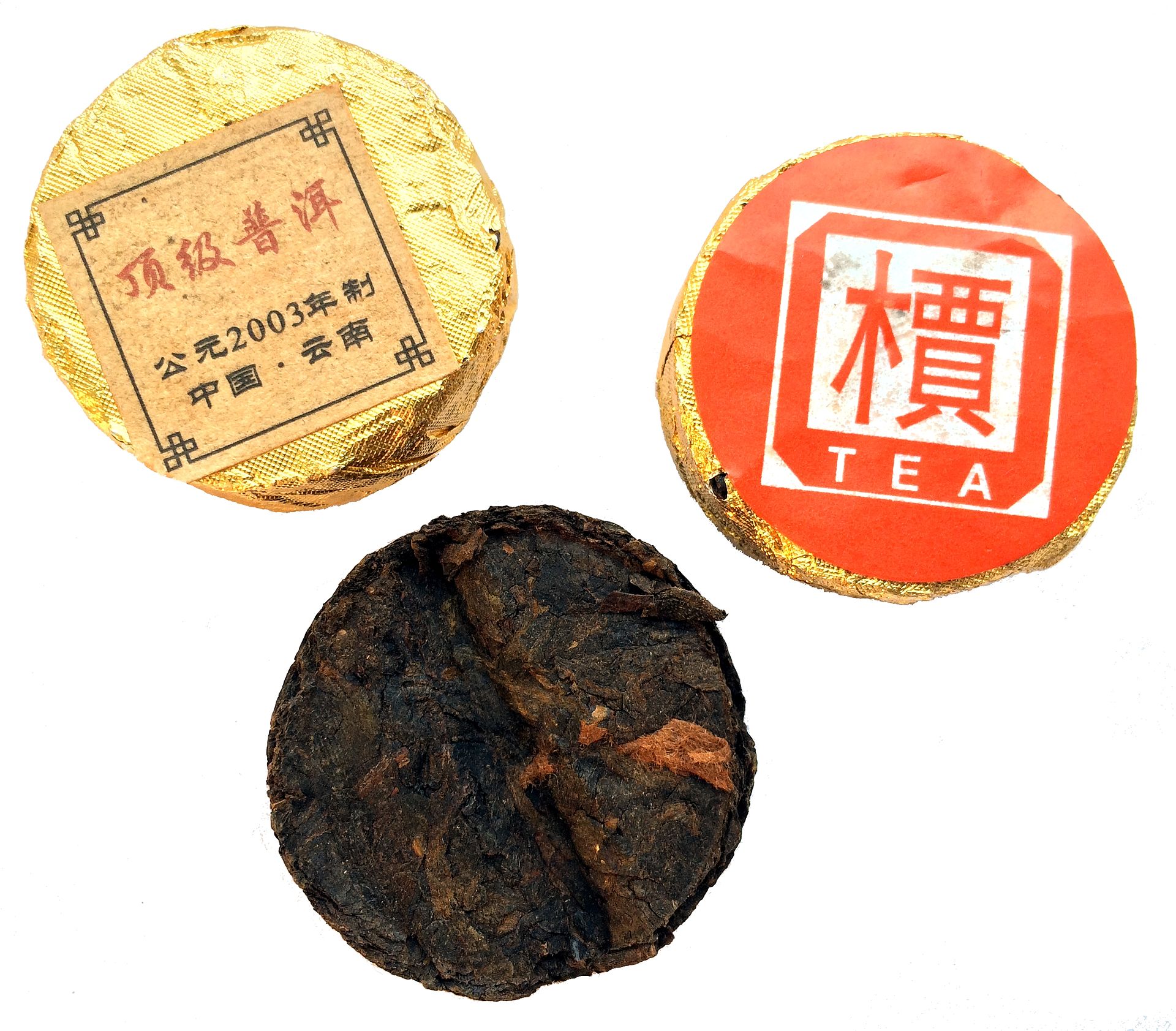
Liu Bao belongs to the Chinese dark-tea family, with its core geographic meaning tied to today’s Wuzhou in Guangxi, especially the historical production context around Cangwu and Liubao. It is not a concept that any deeply colored tea can replace, nor does every tea that has been fermented, compressed, and aged automatically become Liu Bao. Liu Bao truly exists as itself only when local raw-material basis, dark-tea post-fermentation logic, refined finishing and aging, and a long-established flavor aesthetic meet at once.
That distinction matters. If Liu Bao is described only as “a Guangxi dark tea,” it loses its own center. But if it is treated only as a local specialty name, one also misses its role within Chinese dark tea as a whole. It belongs to dark tea, yet it is more than an ordinary place-based subcategory within it. It has a repeatedly recognized signature profile: aged mellowness, smooth texture, deep red bright liquor, and the traditional sensory language associated with betel-nut aroma.
Why is Liu Bao always discussed together with Wuzhou, Cangwu, and Liubao town?
When people discuss Liu Bao, they often connect Wuzhou, Cangwu, and Liubao town in one line. That is not decorative geography. It is a way of stressing that Liu Bao has never been a placeless industrial standard product. Wuzhou sits within a humid Lingnan environment and also grew within a history of river transport. That combination of natural setting and circulation history shaped both leaf-processing habits and the long development of Liu Bao’s storage and drinking culture.
For readers, the key point is not the romance of the place-names themselves, but the relationship between Liu Bao and climate. Dark tea is not a tea whose story ends after one stage of fermentation. Later storage and post-maturation matter just as much. The climate around Wuzhou, together with long local storage experience and distribution traditions, helped establish Liu Bao’s characteristic direction: mature, mellow, warm, and smooth. The place-name therefore matters not only as origin labeling, but as a reminder that the tea must be understood inside a local ecological and historical setting.
Why is Liu Bao so often summarized as “red, rich, aged, and mellow”?
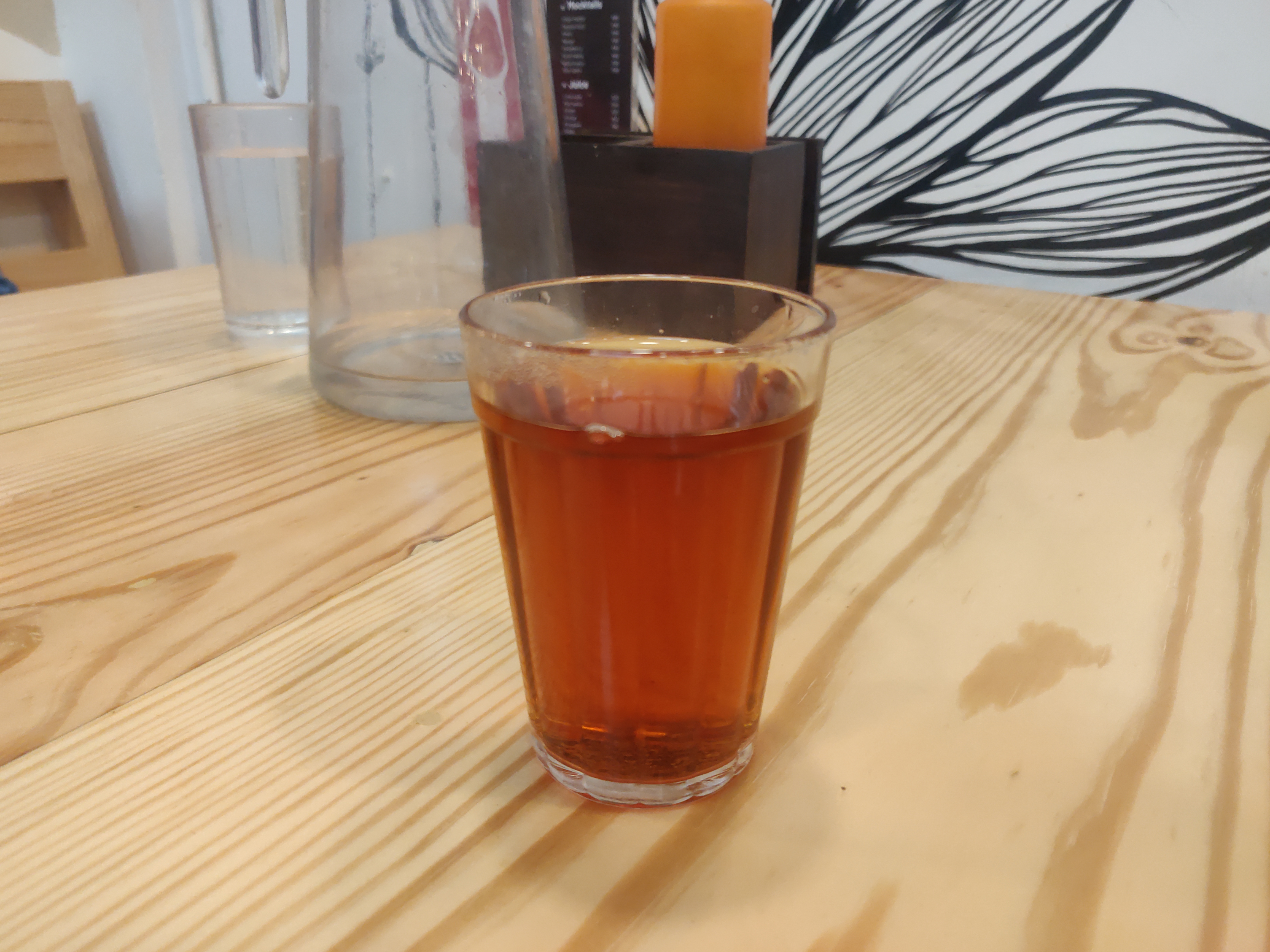
“Red, rich, aged, and mellow” is one of the most common shorthand descriptions for Liu Bao. Here, “red” points mainly to liquor color: deep red, rich red, but bright rather than muddy. “Rich” does not mean aggressive strength; it refers to body, thickness, and a certain enveloping feel. “Aged” is not just a number of years, but the integrated calm that appears after proper post-maturation and storage. “Mellow” refers to a cup that enters smoothly, feels rounded, and remains stable rather than rough or hollow.
Many beginners hear these four words and turn them into a crude rule: darker is better, older is better, heavier is better. That is exactly where misunderstanding begins. Good Liu Bao does not win through dullness. Even in a deep liquor, it should retain clean edges: no dirty aroma, no coarse mouthfeel, no dead dry finish. After drinking, the mouth should still feel comfortable and gently sweetened. That is why people who truly understand Liu Bao often remember not merely its “heaviness,” but its steadiness and ease.
What does “betel-nut aroma” actually mean, and why is it not a literal betel flavor?
One of the most recognizable and confusing terms associated with Liu Bao is “betel-nut aroma.” At first glance, English readers may imagine an obvious flavor like processed areca products. A more accurate reading is that this is a traditional experiential term. It points to a composite mature fragrance that can emerge after post-fermentation and aging: often some mix of wood, medicinal warmth, aged storage fragrance, faint sweetness, and a settled mature depth rather than one sharply isolated smell.
That is also why “betel-nut aroma” cannot be treated as a magic label. If a Liu Bao has only damp storage smell, stale warehouse notes, or heavy muddiness, calling it “betel-nut aroma” is often just a misuse of language. Comfortable Liu Bao aroma is usually built on cleanliness, proper maturation, and smooth liquor. It is not a loud perfume. It is something that becomes clearer as one keeps drinking. In other words, betel-nut aroma is not a gimmick. It is one traditional way of naming a mature Liu Bao aromatic profile when the tea has truly come together.
How is Liu Bao made, and why is it too simple to call it only a “fermented tea”?
The main processing line of Liu Bao typically includes fresh-leaf treatment, heat-fixing, rolling, pile-resting or wet-piling, re-rolling, drying, and then later refining, blending, steaming, compression, and aging. Different sources describe details slightly differently, but the core logic stays consistent: Liu Bao is not an instant-finished tea. It is a tea that treats later transformation as part of style itself.
If one understands Liu Bao only through the phrase “fermented tea,” the most important point disappears. Liu Bao does not fully settle after a single treatment stage. Its quality depends heavily on whether pile treatment was handled well, whether refined finishing stayed clean, whether compression and packaging matched the tea, and whether later aging moved in the right direction. In that sense, Liu Bao does not stand on one isolated technique. It stands on continuous control across an entire chain of processing and maturation.
That makes it very different from green teas that seek to lock in freshness at one moment. Green tea often tries to preserve a particular fresh state. Liu Bao, by contrast, is more like a tea made into an object that will keep becoming something. What you drink is not only what was made then. It is also what the tea was later allowed to become.
Why are basket packing, compression, and aging so important to Liu Bao?
One historically representative form of Liu Bao is basket-packed tea. When readers encounter terms such as basket tea, bamboo basket packing, or compressed Liu Bao, the easiest mistake is to think of them as local packaging habits. But for Liu Bao, these forms are never only packaging. Bamboo baskets, compression, and later storage directly affect transport, long-term keeping, further post-maturation, and the way aroma and mouthfeel emerge in drinking.
A compressed tea does not release itself in the same rhythm as a loose tea. It does not reveal everything at once. Instead, it opens gradually according to steaming, compression level, storage state, and brewing method. Part of Liu Bao’s famous durability in brewing comes from that slower unfolding. Traditional bamboo-basket form is not valuable merely because it looks “old-style.” It is tied to long storage, whole-batch circulation, and the micro-environment in which tea continues to change.
That is why compression and aging are not side topics for Liu Bao. They are part of how the tea becomes itself. Without these shape and time dimensions, Liu Bao gets misread as a generic dark loose tea. In reality, much of its character is written slowly through compression, storage, waking, and opening.
How do you judge what a Liu Bao tea is really saying?
It helps not to judge Liu Bao only by asking whether it is strong or old. A better method is to separate the clues. First look at the dry tea: are the strands natural, is the color oily and alive, does it look clean? Then look at the liquor: is it deep red and bright rather than muddy and dark? Next smell the cup: does it show layers of aged aroma, wood, betel-nut character, and maybe a faint smoky line, or does it merely smell of stale storage and dampness? Finally return to mouthfeel: is it smooth, thick, and rounded, or does it dry out, scratch the throat, or turn woody in the finish?
Many Liu Bao teas look dark in the first pours, but the real difference often appears later. Good Liu Bao does not collapse into color alone after a few infusions. As the session continues, it should bring out sweetness, mature aromatic layers, and a more relaxed mouthfeel. On the other hand, if a tea shows only dark color at the beginning, then quickly becomes watery, empty, or trapped inside mixed storage notes, its completion is usually limited.
That is one reason Liu Bao rewards patient drinking. It is not a tea that can always be judged from the first aromatic impression. It needs enough time to speak in full.
How should Liu Bao be brewed, and why does it suit both gongfu brewing and simmering?
Two broad drinking paths are common for Liu Bao. One is high-temperature gongfu brewing in a gaiwan or small teapot. The other is simmering or boiling. The first path is useful for reading aroma structure, the changes across early, middle, and later infusions, and differences between years or storage styles. The second path can bring out Liu Bao’s warmth, smoothness, and enduring drinkability more fully. For most readers, near-boiling water is a reliable starting point for mid-aged or aged Liu Bao. The first one or two infusions can be shorter, and once the tea opens, timing can be extended according to the tea’s behavior.
If the Liu Bao is mature and well aged, simmering can also work beautifully. The reason is not merely that “old tea can handle boiling.” Rather, many of Liu Bao’s settled sweet, woody, and aged directions become more integrated under sustained heat. But the basic condition remains the same: the tea itself must be clean. If a tea carries heavy stale storage or mixed off-notes, boiling will enlarge the problem rather than fix it.
So Liu Bao does not have one absolute brewing method. The key is deciding what you want to observe. If you want more detail and transitions, use a gaiwan. If you want warmth and totality, simmering can be excellent. A truly good Liu Bao often survives both approaches; it simply reveals different emphases through each.
Why does Liu Bao deserve to be a stand-alone node in the tea section?
Without Liu Bao, readers can easily reduce Chinese dark tea to a handful of blurry impressions: dark color, good for storage, digestive reputation, older means more expensive. Liu Bao helps take those impressions apart. It shows that dark tea is not defined only by “heavy fermentation.” Regional origin, compressed form, aging conditions, storage experience, and traditional flavor language all participate in defining the tea.
It also helps readers see that one important form of value in Chinese tea is not fully determined at the moment of manufacture. Sometimes value is slowly built through later time. Liu Bao is not an isolated local curiosity. It is one of the key examples through which Chinese tea shows how post-maturation, storage, drinkability, and regional character become tangled together. Once Liu Bao is properly explained, readers can better understand why Chinese tea is not just a list of aromas, but a system linked to time, place, craft, and lived practice.