Green Tea Feature
Why Enshi Yulu deserves its own article: not just another green tea, but one of China’s rare steamed green teas still defined by a living steam-fixation tradition
If many readers first meet Chinese green tea through names like Longjing, Bi Luo Chun, or Huangshan Maofeng, then Enshi Yulu matters because it reminds us of something basic but easy to forget: Chinese green tea is not a single story dominated only by pan-firing, chestnut-like aroma, and a few famous leaf shapes. In Enshi, in the Wuling mountain zone of southwestern Hubei, there remains a much rarer line of steamed green tea. That means the crucial fixing step is not pan-firing but rapid steaming, followed by cooling, shaping, polishing, and aroma-finishing work that turns the leaf into a fine, tight, upright tea with a clear bright liquor and a distinctly fresh green profile.
Because of that, Enshi Yulu is usually misunderstood in two opposite ways. One mistake is to flatten it into “just a local Hubei green tea.” The other is to notice the steaming step and immediately rewrite it as a Chinese version of Japanese gyokuro or as a one-to-one counterpart to Japanese steamed teas. The first reading underestimates its place inside the Chinese green tea map. The second over-explains it through foreign comparison. A stronger reading is this: Enshi Yulu is first a Chinese famous tea rooted in Enshi’s mountain ecology, local craft, and modern recovery history; only after that does it become a useful bridge for comparing Chinese and Japanese green tea process routes.
What kind of tea is Enshi Yulu?
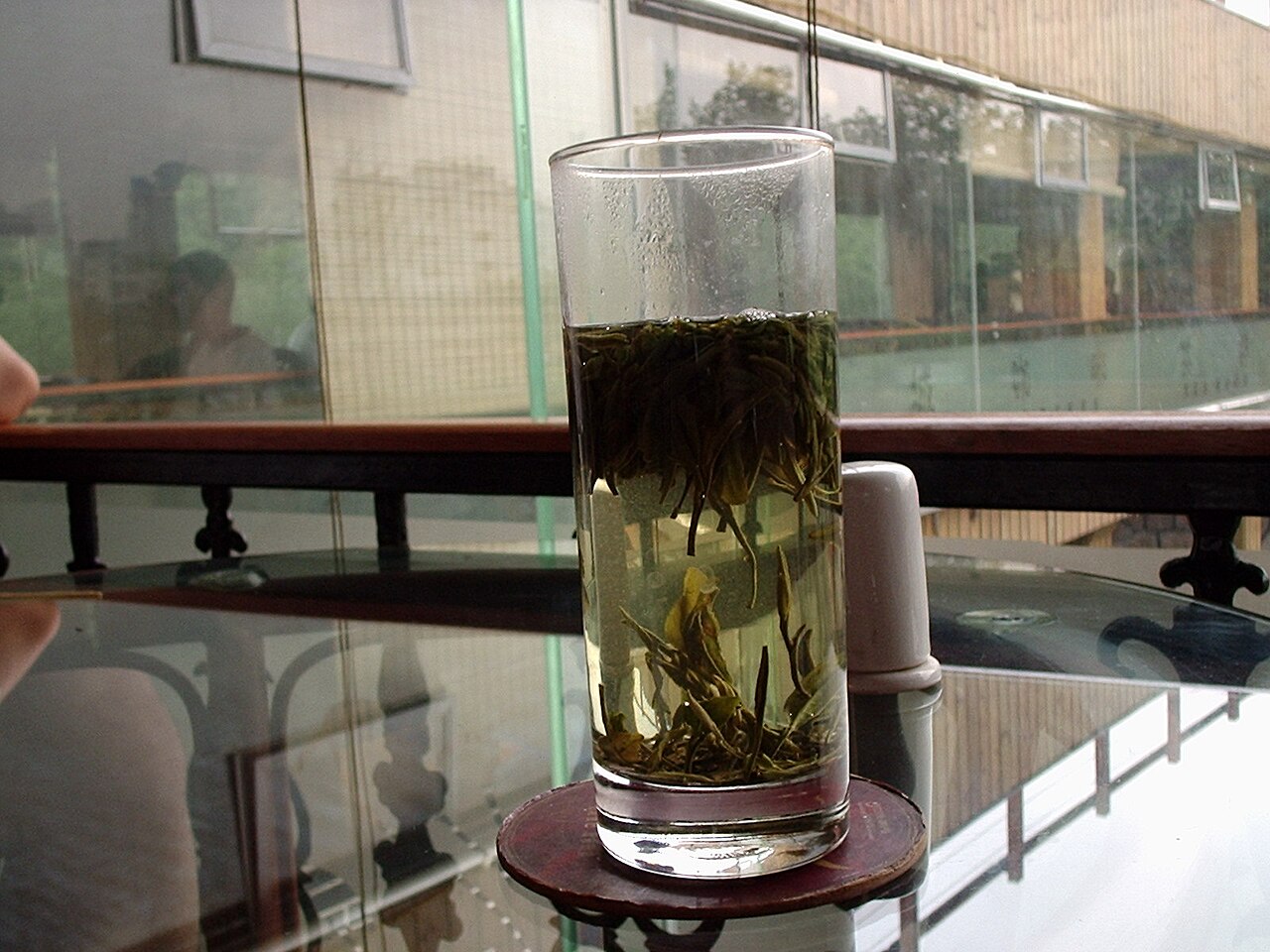
Enshi Yulu belongs to the Chinese green tea category, and more specifically it is one of the rare famous Chinese green teas still strongly identified with a steamed processing route. Many drinkers hear “green tea” and think first of pan-fired or baked styles such as Longjing or various maofeng teas. Enshi Yulu is different. Its key gesture is not “frying” but “steaming.” Fresh leaves are fixed quickly with steam, which helps preserve a bright green direction and a lively fresh taste, and are then shaped and refined until the finished tea becomes fine, tight, upright, and needle-like.
The style phrase most often attached to it is the classic “three greens”: green dry leaf, green liquor, and green infused leaf. That can sound like marketing language, but it is actually a useful summary. It points directly to the tea’s most stable sensory identity: dry leaf with a vivid green cast, a clear bright infusion with green tone, and a leaf base that remains lively and tender-looking. For readers, this means Enshi Yulu is best judged not by whether it bursts into dramatic aroma, but by whether it feels fresh, clean, smooth, and alive.
Why is “steamed” the key word, even more than “famous tea”?
Because without understanding the steaming step, it is almost impossible to understand Enshi Yulu itself. Most famous Chinese green teas are now read through the vocabulary of pan-fired warmth: bean notes, chestnut notes, a certain toasty maturity, and heat skill. Enshi Yulu follows another route. Steam fixation acts quickly and relatively evenly, helping preserve leaf color and fresh compounds, but that also means the later chain of cooling, moisture control, shaping, polishing, and aroma work has to be handled with great coherence. In other words, Enshi Yulu is not “just steamed and done.” It is a complete process architecture built around steaming.
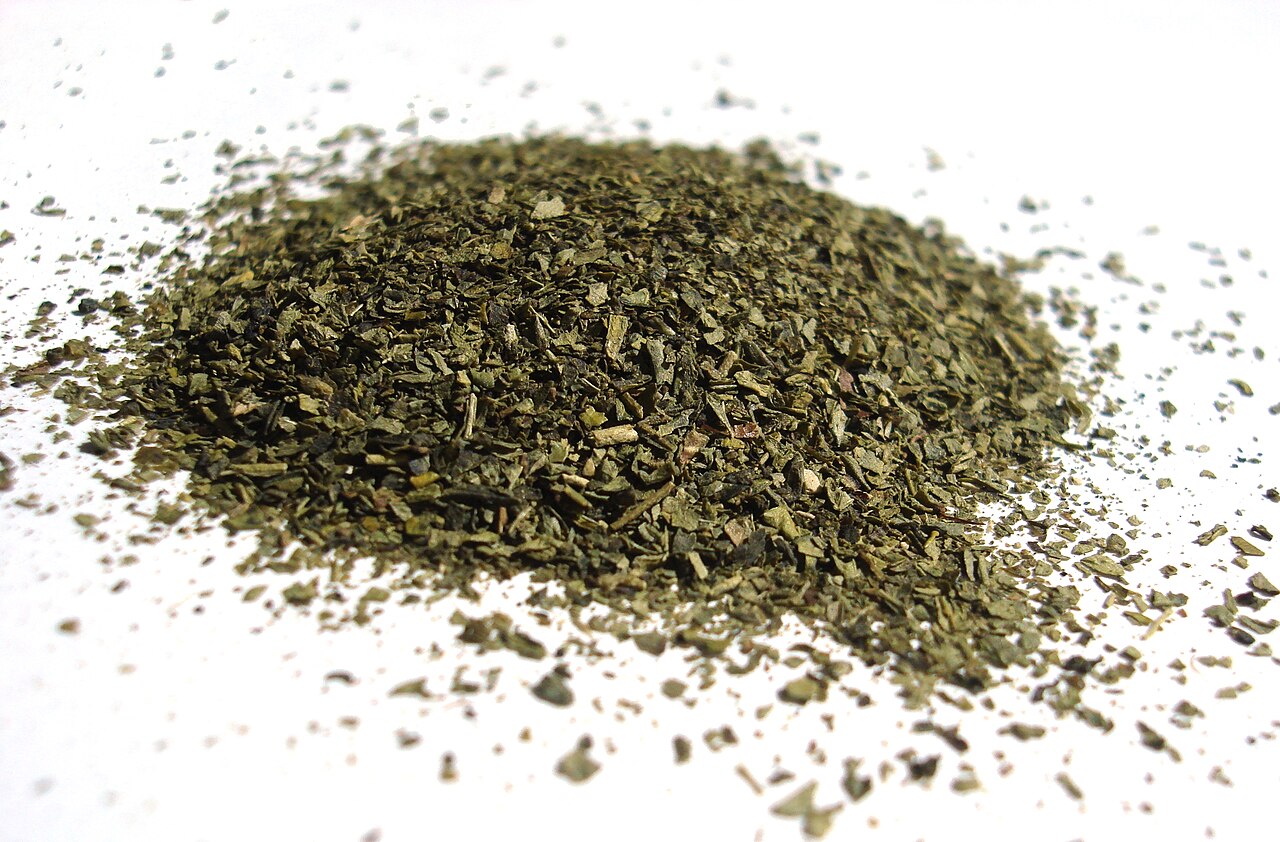
That is why source materials repeatedly mention later steps such as cooling, first firing, rolling, second firing, shaping and polishing, aroma-lifting, and final sorting. The shaping-and-polishing stage is especially important. It is not there only to make the tea look elegant. It helps tighten the leaf, straighten the line, smooth the surface, and support the tea’s clear, bright, and composed finish in the cup. In excellent Enshi Yulu, the needle-like form is only the visible surface of a deeper processing discipline.
How is Enshi Yulu most obviously different from teas like Longjing or Bi Luo Chun?
The most obvious difference is the process route itself. Longjing emphasizes flattening and pan-firing, while Bi Luo Chun is often discussed through tenderness, curled shape, and a floral-fruity freshness. Enshi Yulu, by contrast, is recognized through the freshness, clarity, and upright line produced after steaming. Putting it next to Longjing is especially useful for new readers because it shows how wide the internal range of Chinese green tea really is. Both are green tea, yet one leans toward pan-fired warmth and flattened shape, while the other leans toward steamed freshness, needle-like form, and a more transparent water-feel.
More broadly, Enshi Yulu does not aim for the clear bean-or-chestnut advantage often prized in pan-fired green tea, nor does it rely on flamboyant floral aroma. It is better read as a tea that puts freshness, greenness, cleanliness, and smoothness first. For anyone who has imagined “green tea” as one broad flavor family, Enshi Yulu is one of the best possible articles for breaking that illusion.
Why is it so often compared with Japanese steamed green tea, and is that comparison useful?
The comparison is useful up to a point, because many international readers naturally think of Japan as soon as steamed green tea is mentioned. Chinese reference material also often notes that after tea seeds and tea-making methods spread from China to Japan in earlier centuries, steaming remained central there, which makes modern Japanese steamed teas and Enshi Yulu broadly comparable at the level of process direction. For English-language readers especially, this offers an understandable entry point.
But the comparison should stop there before it becomes distorting. Enshi Yulu is not a Chinese mirror image of Japanese gyokuro, nor should its value depend on how closely it resembles Japanese tea. It has its own origin area, raw-leaf standards, historical narrative, and processing vocabulary, and it also passed through a modern period of process recovery and regional rebuilding. The safer formulation is that Japanese steamed green tea can help illuminate the technical route, but Enshi Yulu must first be read as a Chinese local famous tea in its own right.
What does Enshi Yulu taste like?
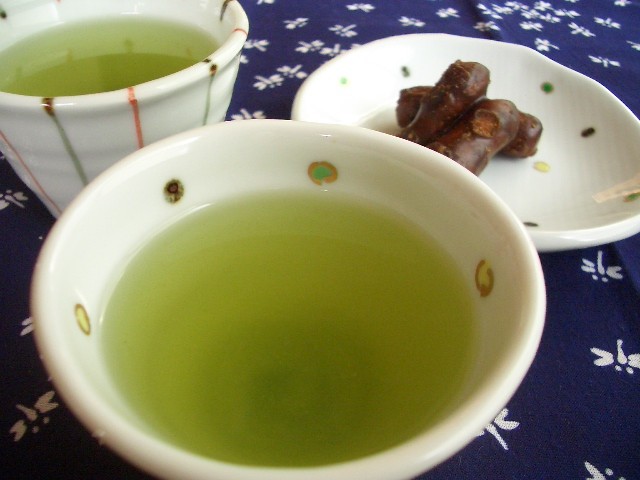
Good Enshi Yulu usually shows dry leaf that is fine, even, upright, and somewhat downy, with a vivid green sheen. Once brewed, the liquor should be clear and bright, the aroma lifted but not stuffy, and the palate fresh, sweet-rounded, clean, and moist in feel. Its strength is not heaviness or roast, but the speed with which freshness appears, the correctness of its green tone, and the straight clean line of the liquor. When it is good, the aftertaste feels light, tidy, and quietly sweet.
When quality or processing falls short, the problems are also fairly clear: aroma floating above the surface while the liquor tastes hollow, insufficient freshness replaced by mere raw greenness, or a tea that looks green and bright but lacks the expected rounded sweetness and staying power. Steamed green tea does not most fear being “insufficiently aromatic.” What it most fears is losing vitality. When Enshi Yulu is successful, its lively freshness is hard to replace with any other green tea style.

Why does origin environment matter so much here?
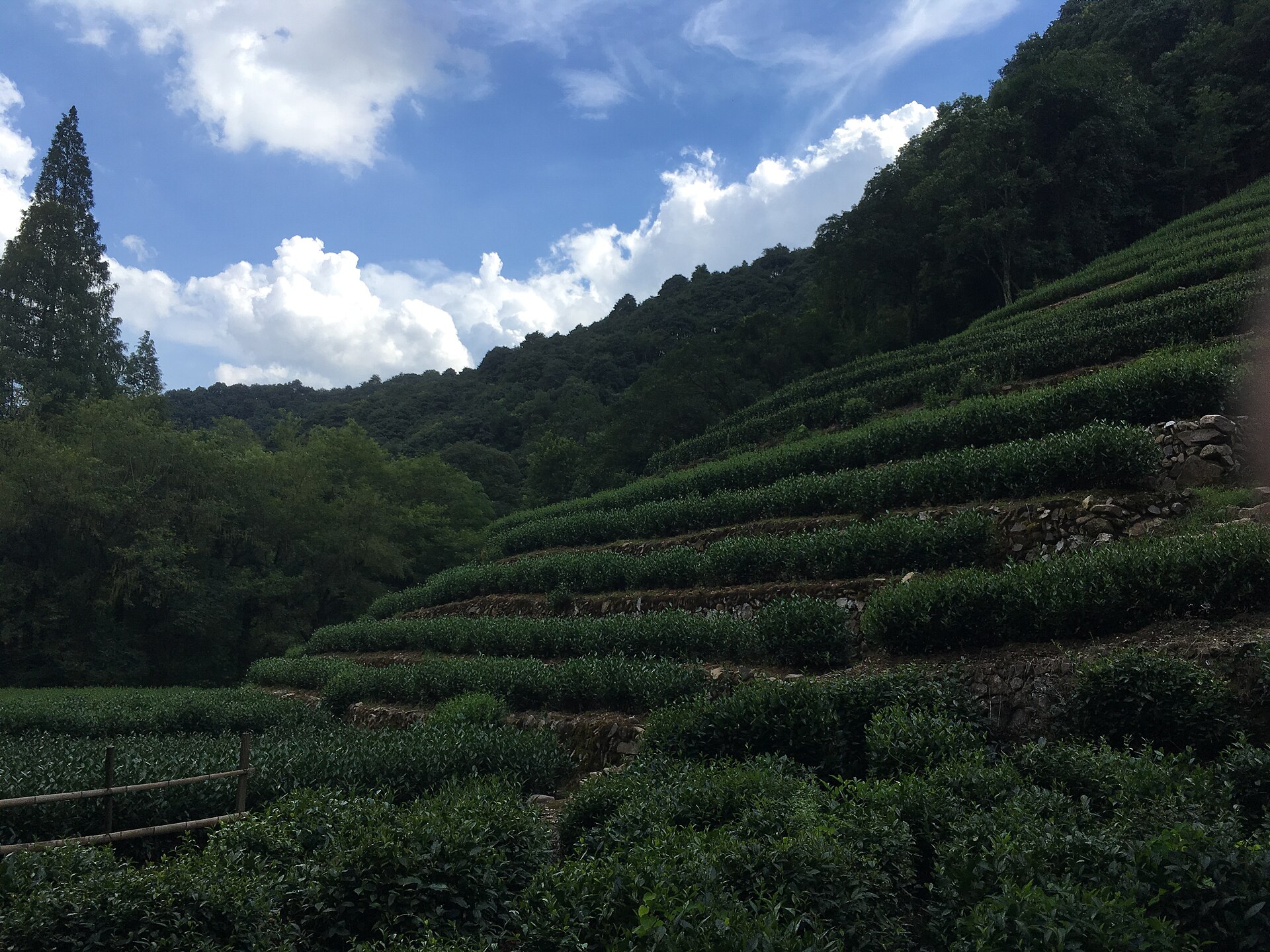
Enshi lies in southwestern Hubei in the Wuling mountain region. Public descriptions repeatedly stress its mountain terrain, high humidity, frequent cloud cover, substantial rainfall, and comparatively mild seasonal pattern. These are not decorative regional talking points. They help explain why Enshi Yulu can be built on tender raw leaf and maintain a stable fresh-green style. For green tea generally, tenderness and mountain ecology already matter deeply. For a steamed green tea that depends so much on freshness and clarity, that connection becomes even more important.
That is also why Enshi Yulu is not just a generic processing label that can be applied to any green leaf. It is tied to Enshi’s mountain ecology, suitable cultivars, picking standards, and accumulated shaping experience. Once that is clear, the tea stops looking like a mere technical product and starts looking like what it is: a regional tea identity.
Is the history of Enshi Yulu a completely unbroken line?
It does have earlier local tea references, and there are narratives about its name developing from “Yülu” and related forms, but a careful article should avoid turning that into a perfect myth of unbroken continuity. One of the most important points in public source material is the emphasis on late twentieth-century recovery: the promotion of suitable tea material and the restoration of steaming-related craft. That reminds us that the Enshi Yulu people drink today is both inherited and rebuilt.
That does not weaken the tea’s importance. If anything, it makes it more worth writing about. Many important Chinese famous teas matter not because every detail remained unchanged from antiquity, but because they managed to preserve or recover a defining craft identity in the modern period. Enshi Yulu is precisely such a case. It kept alive a steamed route that became comparatively rare in mainstream Chinese green tea.
How should Enshi Yulu be brewed?
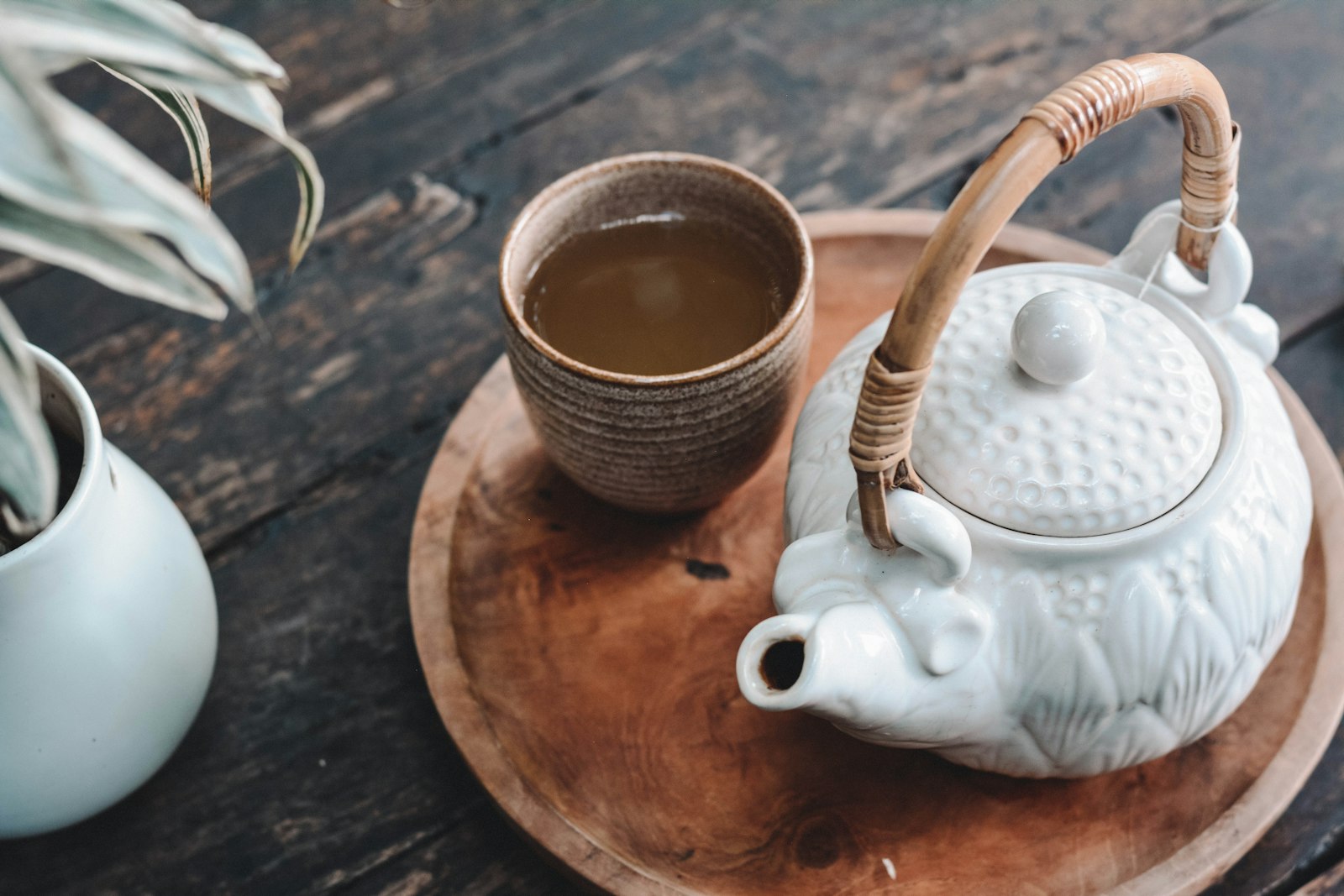
Enshi Yulu works well in either a glass or a gaiwan. A glass is useful for observing liquor color and leaf base, while a gaiwan allows more precise control over timing and aroma. Because the tea depends on freshness and clarity, it is usually better not to attack it with boiling water. A practical range is around 80°C to 85°C, and slightly lower can also work for especially tender tea. A useful starting ratio is about 3 grams of leaf for 100 to 120 ml of water, adjusted to taste.
Unlike many oolong teas that need high heat to open fully, Enshi Yulu asks the brewer not to burn away its freshness. The first infusion should not be long; something in the range of 15 to 20 seconds is often enough, with later infusions increasing gradually. In a glass, a gentler top-drop or middle-drop method can also work well. The key is not aroma alone, but whether aroma truly enters the water, whether the liquor remains clear in feel, and whether the finish stays clean.
What are the most common buying mistakes?
The first mistake is assuming that “greener” automatically means “better.” Color matters, but if attractive greenness is not backed by freshness and rounded sweetness, then only the surface is convincing. The second mistake is judging it by pan-fired green tea standards—for example, demanding obvious chestnut notes or obvious fire character. That is not Enshi Yulu’s aesthetic route. The third mistake is to hear the word “steamed” and immediately imagine Japanese tea flavor. Comparison has value, but it cannot replace the tea’s own Chinese local context.
Another common mistake is to look only at whether the dry leaf seems straight and needle-like, without checking how complete the tea feels after brewing. A truly worthwhile Enshi Yulu has to hold together as dry leaf, aroma, liquor, taste, and infused leaf all at once. For this tea, overall completion matters much more than any single visual trait.

Why does Enshi Yulu deserve to become a key article in a tea section?
Because it fills two important gaps at once. First, it prevents a green tea section from revolving only around pan-fired famous teas by explicitly putting the steamed route back into the Chinese tea map. Second, it makes an excellent bilingual bridge subject. Chinese readers often approach it through the language of famous tea, local craft, and Enshi mountain context. English readers are likely to arrive through questions about steamed green tea, Japanese comparison, or flavor profile. If the article is written carefully, both paths can be brought into the same core page.
If Longjing helps readers understand how Chinese green tea can be tied to Hangzhou spring, pan-firing, and urban memory, then Enshi Yulu adds the rarer but essential steamed branch inside Chinese green tea. It tells readers that even within green tea, Chinese tea culture still contains sharply different technical choices, flavor structures, and aesthetic standards. A mature tea site should make that difference visible.