Emei Zhuyeqing: once the brand halo is removed, what is this Sichuan green tea actually worth reading for?
Created: · Updated:
Within Chinese green tea, Emei Zhuyeqing is especially easy to misread because modern publicity often introduces it in the wrong order. Many people first meet the brand, the gift box, or the premium retail image, and only later realize that behind all of that is a green tea style built on the spring environment of Emeishan in Sichuan, on fine tender bud material, on straight-flat shaping, and on a clean bright aesthetic. Because the brand layer is so loud, outside discussion often slides toward price, grading, shops, and gifting, while the more basic questions are pushed aside: what kind of tea is this, why does it look like this, and what actually makes the cup convincing?
If the tea is to be understood properly, the order has to be reversed. Emei Zhuyeqing is first a Chinese green tea that can be recognized, compared, brewed, and judged; only after that is it a premium commercial narrative amplified by a modern retail system. Once this sequence is restored, readers are less likely to mistake it for a brand profile or to dismiss it as merely another expensive tender bud tea. What is really worth reading here is how the spring-tea context of Emeishan is translated through fine bud material, orderly linear shape, and clean heat control into a Sichuan elite green tea that looks light but does not drink hollow.
The point of understanding Emei Zhuyeqing is not first whether it is expensive, but how Emeishan spring buds become a cup that is orderly in form, clean in aroma, and quick and bright on the palate.
What kind of tea is Emei Zhuyeqing? It is first a clear expression of Sichuan mountain green tea
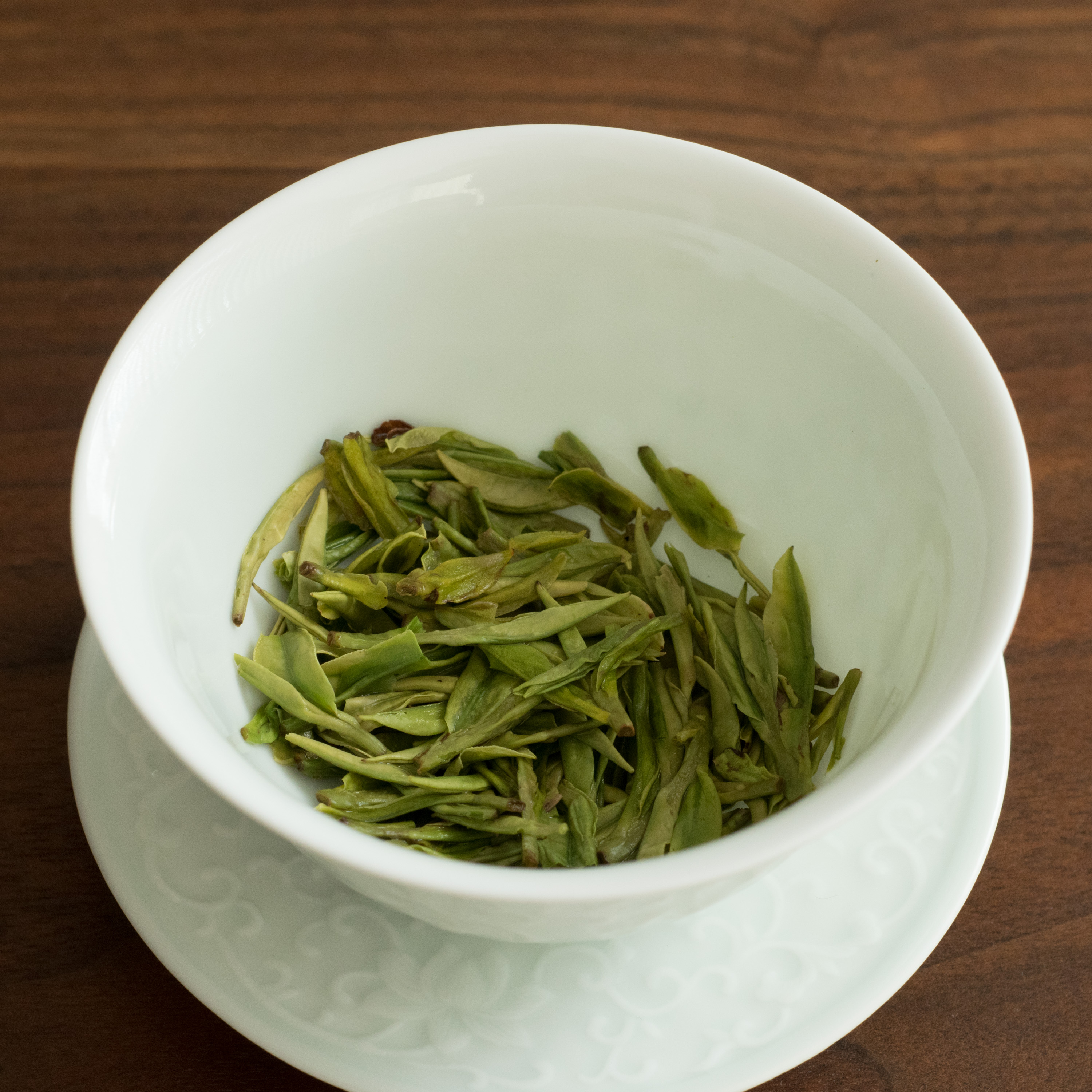
Emei Zhuyeqing belongs to the category of Chinese green tea, and within Sichuan's elite green-tea system it is one of the more recognizable styles. Its importance lies not only in coming from the Emeishan area, but in building a relatively stable standard around that setting: raw leaves should be tender, even, and clean; the dry tea should be flat, upright, elegant, and glossy; the aroma should be fresh, lifted, and free of harsh fire; and the liquor should be bright, fresh, smooth, and quick to return sweetness. In other words, it is not a vague idea of “high-mountain bud tea,” but a concrete Sichuan green-tea route.
This route also occupies its own place on the broader map of Chinese green tea. If Longjing represents a more classic flattened pan-fired logic, with emphasis on broad leaf form, wok character, and the Hangzhou context, then Emei Zhuyeqing is closer to a fine-bud shaping route: more linear, more orderly, more elegant, and more explicitly committed to mountain spring clarity. It is not a Sichuan substitute for Longjing, nor simply another name for a queshes-style tea. It stands only when three things meet together: the spring-tea environment of Emeishan, a very fine bud window, and the craft discipline needed to hold that shape.
Emei Zhuyeqing may look light and delicate, but it is not an easy tea. The buds must be fine, the shape must be even, the fire must be clean, and the finished leaf must remain slim, straight, and composed.
Why is Emeishan so important? Its value is more than the cliché of misty high mountains
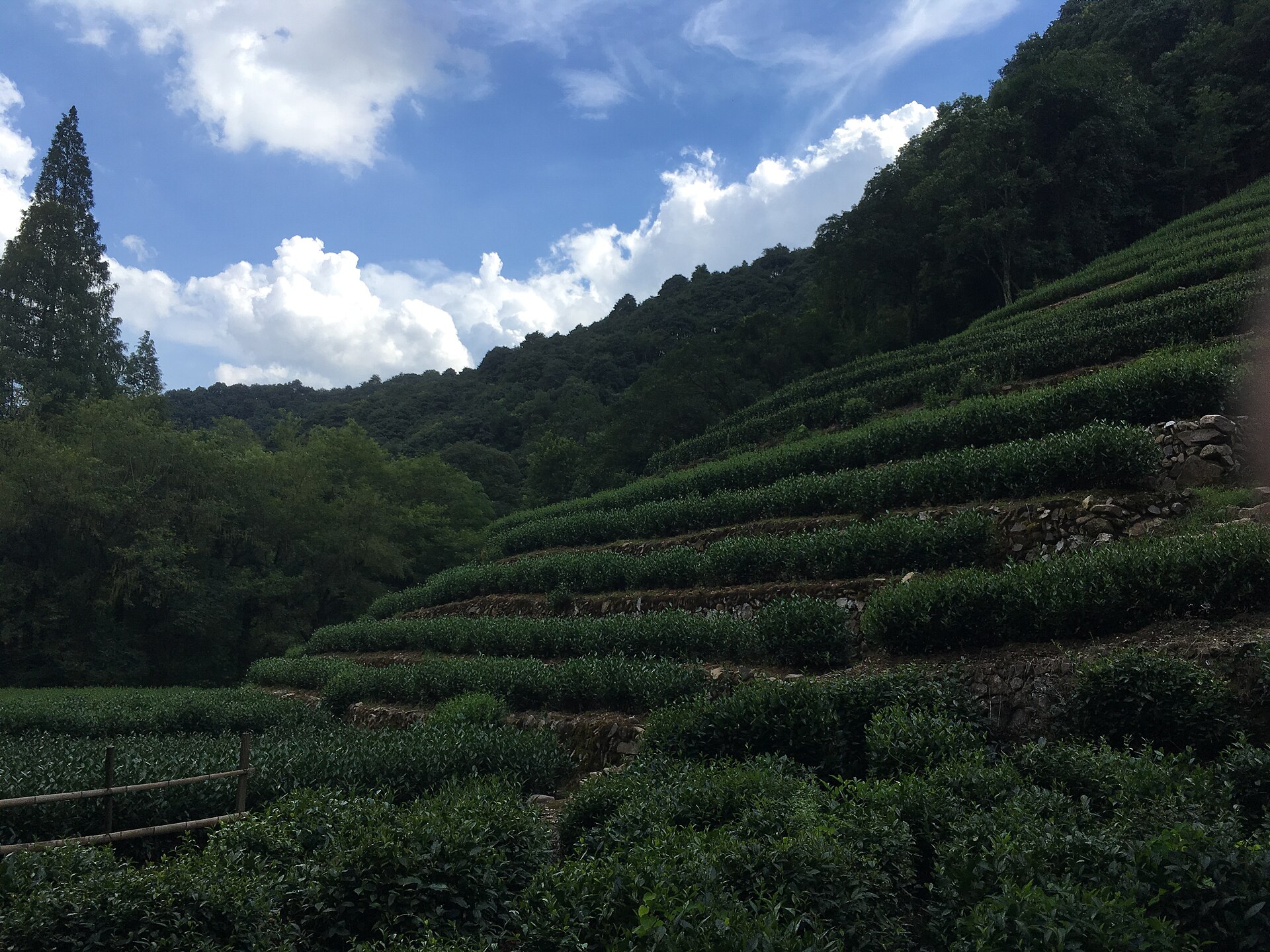
When people write about mountain green tea, the laziest sentence is usually some version of “high mountains and mist produce good tea.” That is not false here, but it is not enough. What makes Emeishan important is not only fame, but its ability to support a concrete spring-tea environment suited to very tender buds: humid conditions, frequent cloud and mist, a measured spring warming rhythm, and a mountain timetable for budding and picking. Public materials often refer to a golden tea-growing belt in the Emeishan area and to well-known local production contexts tied to mountain tea gardens and spring harvest rhythms.
This local environment eventually becomes a sensory fact in the cup. Emei Zhuyeqing usually does not win through aggressive aroma. It tends instead toward cleanliness, lift, tenderness, and precision. The liquor, similarly, does not aim for weight or force, but for brightness, freshness, ease, and a clearly defined returning sweetness. Emeishan therefore does more than merely make the tea “premium.” It establishes a very specific mountain-spring order: the buds must be tender, the picking rhythm must be right, the aroma must be clean, the liquor must be bright, and the whole tea must feel orderly. Remove that context and the tea becomes a pretty product image; restore it and it becomes a green tea that makes sense.
Why is it always described through tender buds, straight-flat shape, and elegant lines? Because these are craft targets, not decorative language
The visual distinctiveness of Emei Zhuyeqing does not come from simply being pretty. It comes from a strong set of demands placed on both leaf material and finishing. Public tea references and industry descriptions usually stress the high requirement for tenderness, evenness, and cleanliness, often with picking standards centered on single buds or very early bud-leaf stages. If the leaf material is not fine enough, the tea cannot develop its slim line. If the leaves are not even enough, the finished tea loses order. If the condition of the leaves is unstable, later shaping and setting easily become coarse, loose, messy, or marked by mixed fire.
That is why “like bamboo leaves” should not be treated as casual poetry. It points to a complete finishing standard: the dry tea should be flat and smooth, upright and elegant, with clear edges and relative uniformity. The quieter and lighter such a tea looks, the less room it has to hide mistakes. Unlike very aromatic teas that can first seize attention through smell, Emei Zhuyeqing exposes weak craft quickly. The more calm and orderly it appears, the more stable the raw material, wok temperature, shaping technique, and drying must have been.
How is Emei Zhuyeqing made? Why is its straight-flat logic still different from Longjing?
As a green tea, Emei Zhuyeqing still follows the general path of resting, kill-green heat treatment, shaping, and drying. Public material often emphasizes especially fine line-shaping and careful setting, while traditional descriptions may stress repeated rounds of adjustment and precise control of rhythm and pressure. The goal is always the same: to organize very tender buds into a tea that feels flat, straight, clean, elegant, and close in outline to bamboo leaves. To a non-specialist, this may look superficially close to Longjing, but the actual destination is different.
Longjing emphasizes flattening, broad pressed leaf form, and a more classic bean-like or chestnut-like pan-fired profile. Emei Zhuyeqing is closer to a fine-bud shaping route, with more emphasis on slender lines, smoother surfaces, stronger visual order, and a lighter more elegant expression. When drinking Longjing, many people first notice the wok aroma and flattened form. When drinking Emei Zhuyeqing, many first notice how neat, how clean, and how quick and bright it feels. The similarity between the two stops at the fact that both care about shape. They should not be written as regional copies of each other.
The key to Emei Zhuyeqing is not making a tea that resembles Longjing, but making very tender buds express a more linear, cleaner, more Emeishan-specific green-tea style.
How is it different from queshes-style greens, Longjing, and maofeng teas that are often compared with it?
Emei Zhuyeqing is often compared with queshes-style green teas because both can emphasize tender buds and elegant appearance. In non-specialist settings, they are sometimes blurred together. A more reliable reading is that they are aesthetically adjacent but not interchangeable. Emei Zhuyeqing is tied more specifically to Emeishan and to a highly standardized modern elite-green-tea expression, so market understanding around it often stresses grade, cleanliness, visual consistency, and regional image. “Queshe,” by contrast, can refer more broadly to fine bud-shaped green teas across different local traditions.
The difference from Longjing is even clearer. Longjing is the classic flattened pan-fired route rooted in Hangzhou and West Lake associations, with stronger emphasis on wok aroma and broad leaf form. Emei Zhuyeqing is finer, straighter, more line-oriented, and more explicitly shaped out of tender buds. Compared with maofeng-style teas, Emei Zhuyeqing usually shows less loose downy softness and more order, stronger line control, and more obvious finishing discipline. The most useful thing to remember, then, is not which tea it resembles, but what allows it to stand on its own: Emeishan, fine buds, shape discipline, clean aroma, and a bright complete execution.
If Emei Zhuyeqing is written only as a brand story, its real root disappears: mountain spring tea, a tender bud window, shape discipline, and a local green-tea aesthetic.
Why must this tea be explained as tea first, and brand second?
Because in modern communication the brand layer is loud enough to cover many people's understanding of the tea itself. But that does not mean the tea character disappears. It means the writer has to separate the “brand layer” from the “tea layer” more carefully. The brand can explain pricing, grading, retail presence, gifting, and national visibility. The tea still has to answer the more basic questions: what kind of tea is it, where does it come from, why does it look this way, and why does it smell and drink like this? If those questions are skipped, the reader remembers only a consumer term rather than a green tea that can actually be understood and judged.
This is especially important in bilingual writing. For English-language readers, if the piece begins with “Zhuyeqing is a famous Chinese tea brand,” the article naturally drifts toward brand writing instead of tea writing. The more accurate order is this: Emei Zhuyeqing is first a tea expression rooted in the fine-green-tea context of Emeishan, and only after that something greatly amplified by a strong modern commercial system. That sequence cannot be reversed. Otherwise the English version drifts away from the Chinese source and becomes a different article with a different center of gravity.
How should Emei Zhuyeqing be brewed? Why is rough high heat the wrong approach?
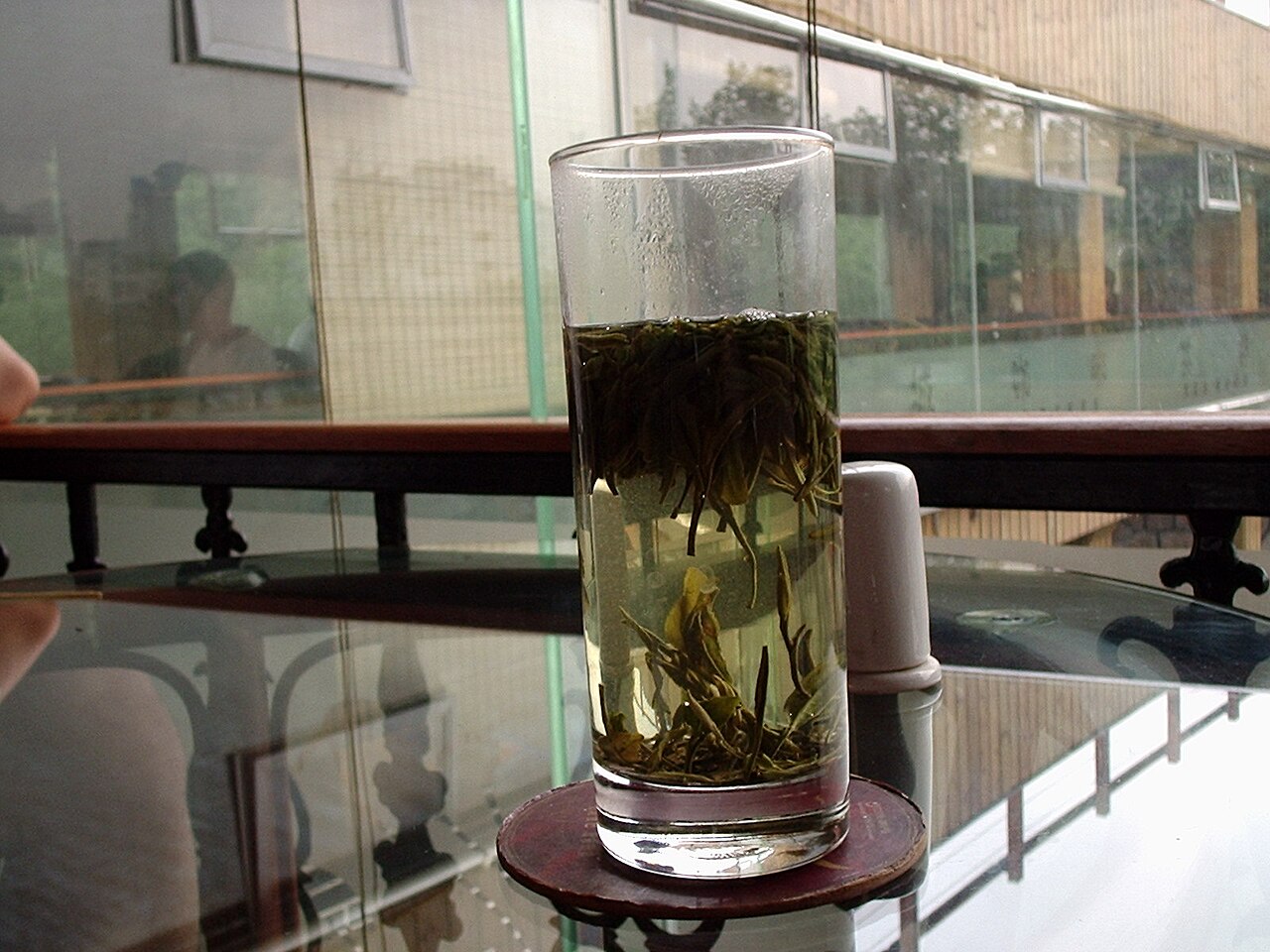
Like many fine green teas, Emei Zhuyeqing works best in a glass or a gaiwan. A glass shows off the long upright bud shape and bright liquor clearly, while a gaiwan makes pouring control and aroma observation easier. Water temperature is usually better kept moderate, around 80°C to 85°C as a reliable starting point. If the water is too hot, the tea's most precious qualities—its clean freshness and fine tenderness—are easily broken apart, and what should feel bright, neat, and easy becomes bitter, rough, and thin.
In a gaiwan, a practical starting point is around 3 grams of leaf for 100 to 120 ml of water, with the early infusions kept relatively short and later ones extended gradually. The point is not to force many infusions out of it, but to make sure the early cups are truly good: the aroma should be clean, the liquor bright, the first sip quick and fresh, and the aftertaste clear. This is a tea that rewards a light hand. The heavier the approach, the easier it becomes to erase its strengths; the steadier the hand, the easier it is to read the tea's fine internal structure.
Why is Emei Zhuyeqing worth treating as one station for understanding modern Chinese elite green tea?
Because it connects two things that are often discussed separately. On one side are very traditional Chinese green-tea criteria—tenderness, cleanliness, shaping, heat control, and spring character. On the other side are modern systems of branding, grading, and national market recognition. What makes Emei Zhuyeqing interesting is that these two sides overlap inside it: it cannot be understood apart from Emeishan spring tea and fine green-tea craft, yet it also cannot be fully separated from the way modern commerce reorganizes premium green tea.
That makes it especially useful for readers. It shows that Chinese tea is not only old narrative without modern systems, and not only branding without tea underneath. Emei Zhuyeqing works because it is first a green tea that makes sense in the cup, and only afterward a commercial language that speaks loudly. Once that order is clear, it becomes much easier to understand how modern Chinese elite green tea actually works.
Source references: synthesized from public Chinese-language tea materials on Emei Zhuyeqing, including production area, mountain environment, picking standards, shaping craft, common sensory characteristics, and the dual communication context of tea name versus brand name.