Tea Feature
Chinese black tea: from Lapsang Souchong to Jin Jun Mei, and from Wuyi to Britain
Chinese black tea deserves much more than a paragraph about “fully oxidized tea.” In global tea history, it sits at the crossroads of craft, translation, empire, and changing taste. In Chinese, this tea is usually called hongcha, or red tea, because the brewed liquor and infused expression are central to classification. In English, it became black tea, a label shaped by dry leaf appearance and international trade vocabulary. That mismatch alone tells a story: categories travel, but they do not travel intact.
To write well about Chinese black tea, one must eventually arrive at two names that carry enormous symbolic weight: Lapsang Souchong (Zhengshan Xiaozhong) and Jin Jun Mei. One points backward toward the early history of black tea export and smoked Wuyi tea; the other points forward toward contemporary premium red tea and a modern reimagining of what fine Chinese black tea can be.
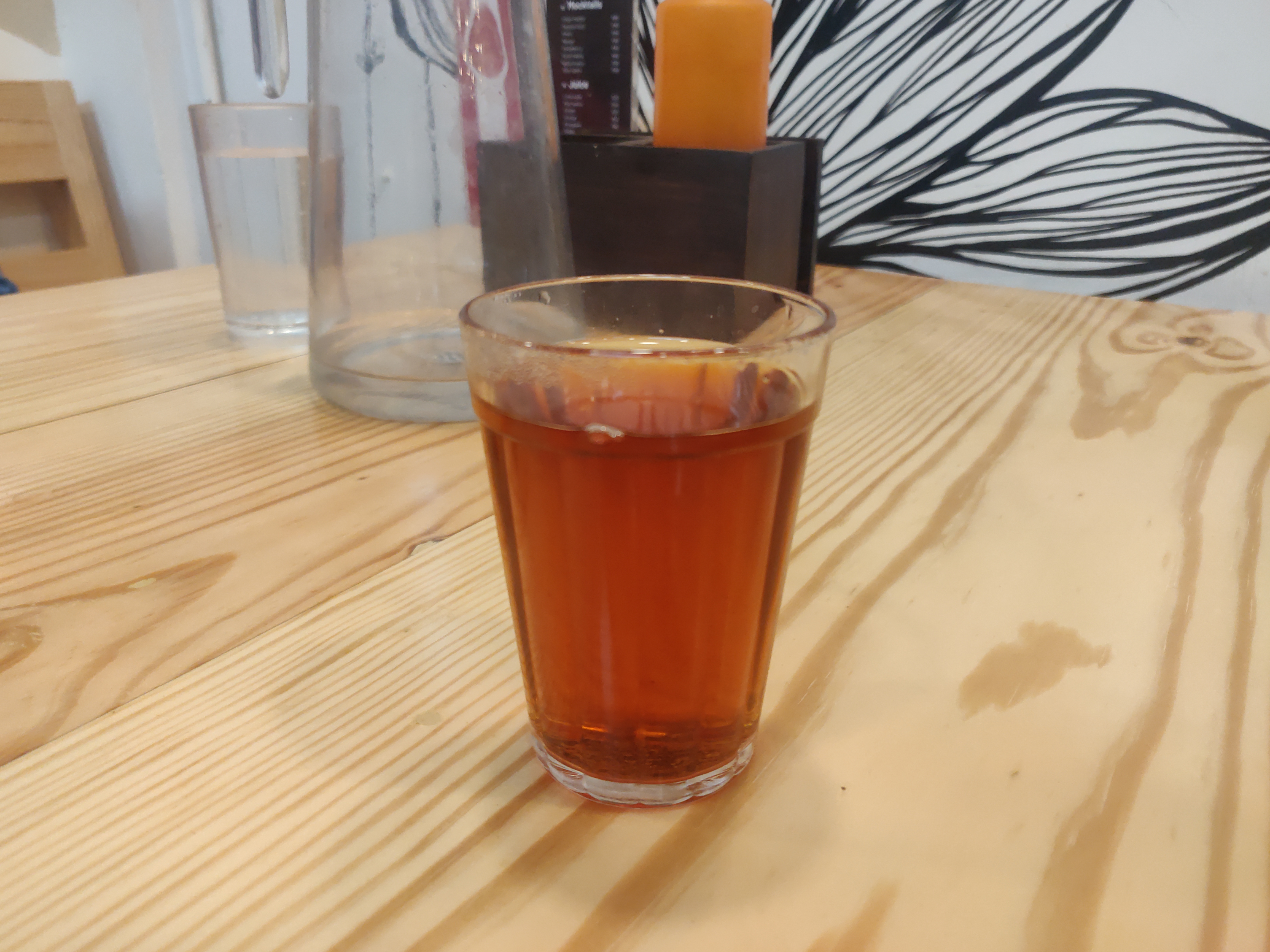
What makes Chinese black tea different?
Chinese black tea is fully oxidized relative to green and oolong pathways, but oxidation alone does not explain its range. Better Chinese black teas often show sweetness, floral lift, honeyed warmth, dried-fruit notes, sweet potato character, cocoa, or long gentle aftertaste. Many foreign drinkers expect “black tea” to mean something harsh, tannic, or aggressively breakfast-oriented. That expectation can obscure the softer, sweeter, more layered side of Chinese red tea.
This is why Chinese black tea is often a good teaching category. It is easy to approach, but rich enough to reveal regional and stylistic difference. It also bridges domestic tea culture and world tea history in a way few other categories do.
Zhengshan Xiaozhong: the historical gravity of smoked black tea
Zhengshan Xiaozhong, widely known internationally as Lapsang Souchong, is one of the most famous Chinese black teas in export history. It is associated with Tongmu in the Wuyi area of Fujian and is often described as one of the ancestors of black tea as a commercial category. What many readers know first is the smoking: traditional versions are processed with pine smoke, producing an unmistakable resinous, campfire-like aroma that some people love immediately and others need time to understand.
But it would be a mistake to reduce Zhengshan Xiaozhong to smoke alone. Its better versions also carry sweetness, depth, and a rounded long finish sometimes described in Chinese discourse as reminiscent of longan soup or a rich dried-fruit warmth. The smoke is not supposed to erase the tea. It should sit on top of structure.
How should the pine smoke be understood?
The pine-smoke character of traditional Zhengshan Xiaozhong is one of the great dividing lines in tea taste. For some drinkers, it feels theatrical; for others, profound. The best way to guide a new reader is to say that the smoke should be tasted like a layer, not a blunt instrument. A good cup can move from resin and smoke toward sweetness, warmth, dried fruit, and an almost savory depth. It is not merely “smoky tea,” but a tea in which smoking became part of the aromatic architecture.
This also explains why it traveled well into Europe. A tea with strong aromatic identity was legible in export markets. It stood out, and it could accompany heavier foods. Historical accounts of black tea export to Europe and later wider British tea culture cannot be separated from the appeal of strong, transportable, distinctive tea styles.
How did black tea travel from China into Britain and India?
Chinese black tea’s story is inseparable from maritime trade and the growth of European tea consumption. Once black tea proved suitable for transport and appealing in export markets, it became central to the expansion of tea drinking in Europe. Britain, in particular, developed deep habits around imported tea. Later, the imperial history of tea expanded toward India and Ceylon as the British sought greater control over supply. That shift is one of the great global tea stories: Chinese tea did not merely remain domestic; it helped generate a vast imperial beverage economy.
So when a reader drinks Chinese black tea today, they are not only tasting oxidation and sweetness. They are touching a category that helped shape trade routes, colonial agricultural ambition, and the modern global imagination of tea itself.
Jin Jun Mei: a modern premium black tea with a very different tone
If Zhengshan Xiaozhong represents history, Jin Jun Mei often represents refinement and modern reinvention. Developed in the Wuyi area in the 2000s using very fine bud material and methods derived from the Zhengshan Xiaozhong tradition, Jin Jun Mei quickly became one of the most talked-about premium Chinese black teas. It is often smaller, finer, more golden in appearance, and much more delicate in aromatic style than smoked Lapsang Souchong.
In Chinese tea discussion, Jin Jun Mei is often praised for sweetness, finesse, and the visual beauty of its bud-heavy dry leaf. The golden tips are part of its appeal, but the deeper reason for its fame lies in how it repositions black tea: not as heavy export commodity, but as precise luxury craft.
What is special about Jin Jun Mei’s liquor and aroma?
A good Jin Jun Mei often produces a bright amber-gold to reddish-gold liquor, depending on leaf grade and brewing strength. Compared with more robust black teas, its liquor can look especially clear, elegant, and fine. Aromatically it may lean toward honey, floral sweetness, fruit, and a smooth rounded fragrance rather than smoke or force. The cup can feel silky, sweet, and surprisingly refined for drinkers who assume black tea must always be dense and dark.
That contrast is exactly why Jin Jun Mei is so useful editorially. It demonstrates that Chinese black tea is not one thing. Inside the same larger category, one finds smoked historical Wuyi tea and delicate bud-crafted contemporary tea, each telling a different story.
How should Chinese black tea be brewed and enjoyed?
Chinese black tea is flexible. It can be brewed gongfu-style in a gaiwan with short infusions, or more simply in a cup or pot. It generally tolerates hotter water than green tea and is more forgiving for newer drinkers. Zhengshan Xiaozhong benefits from attention to aroma and aftertaste, while Jin Jun Mei rewards quieter concentration on clarity, sweetness, and textural refinement. In both cases, the goal is not over-extraction. It is to find the point where sweetness and structure emerge clearly.
For food pairing, historical export black teas often sat comfortably beside richer, saltier, or meatier foods. Delicate bud black teas may be better on their own, where their sweetness and perfume are easier to hear.
Why this category matters
Chinese black tea is where many global tea stories begin to overlap: Wuyi craft, translation between red and black tea, export history, British tea habit, later Indian plantation expansion, smoked tradition, modern premium reinvention, and the simple pleasure of sweetness in a warm cup. If Longjing teaches spring clarity and pu-erh teaches time, black tea teaches circulation. It is the tea of movement: between mountains and ports, between Chinese naming systems and English ones, between local craft and world history.
Source references: Lapsang Souchong, Jin Jun Mei, Black tea.