Why Tea Drinks Are Now Seriously Competing for the “Rainy-Day Cup”: From Hot-Drink Return and Office Rain-Shelter Refills to the Weather Logic of 2026
Created: · Updated:
If the past two years of fresh tea competition have been about “the breakfast cup,” “the afternoon cup,” “the after-meal cup,” and “the late-night cup,” then one of the finer but increasingly real entry points in 2026 is “the rainy-day cup.” This is not simple weather marketing. It is not solved by putting “warm drinks for rainy days” on a poster, and it is not solved by moving hot drinks back onto the counter. The real shift is that brands are starting to answer a much more practical question: when people are commuting in the rain, hiding from a downpour in a mall, refilling before going back to the office, or just trying to correct their mood in a grey wet afternoon, what kind of tea drink are they most likely to justify buying? The answer is increasingly pointing toward products that feel warmer, steadier, easier to explain, and better suited to hot-drink and small-cup refill logic.
This matters not because people in China suddenly discovered in 2026 that rainy days make them want something warm. It matters because fresh tea brands are turning that feeling into a menu problem for the first time. Rain has always influenced orders: cold wet weather pushes more people toward hot drinks, and stores inside malls or office buildings often see stronger walk-in logic when it rains. But in the past that remained mostly an operational intuition, or at most a rough belief that bad weather lifts hot-drink sales a little. What is different now is that brands are starting to manage rainy weather as its own consumption rhythm, with its own psychological threshold and repeat-purchase logic. Whoever can describe that logic clearly is more likely to turn hesitation, sheltering, and impulse stops into stable transactions.
That is why rainy weather is not just a subcategory of hot drinks. It is more like a finer time-and-state map. It connects commuting, sheltering, office supply, and that brief pause before going home in the evening. It also connects a softer kind of buying psychology: “I don’t want something too cold today,” “I don’t want anything too stimulating right now,” and “I just want something steadier.” Placed next to breakfastization, the second cup, after-meal logic, and night-time logic, it becomes clear that fresh tea competition in 2026 looks less like “who invented another flavor” and more like “who is better at placing one cup into the smallest real gap in daily life.” Rainy weather is one of those gaps.
The real competition around the rainy-day cup is not only about flavor. It is about claiming the moment when people want to warm up, settle down, and keep moving.
Main question: why fresh tea brands in 2026 are seriously competing for the “rainy-day cup”
Observation lines: rainy commutes, shelter stops, hot-drink return, light milk tea, roasted oolong, lemon tea, small-cup refills, office supply, and low-burden buying in grey weather
Best for readers who want to understand why new tea menus are increasingly organized around weather, time, and bodily state rather than only static milk/fruit/tea categories
1. Why has rainy weather suddenly become a time slot worth fighting for?
Because rainy weather is one of the few high-frequency conditions that changes bodily feeling, movement routes, and buying mood at the same time. On clear days, whether people buy a tea drink depends more on thirst, habit, proximity, or whether they feel like rewarding themselves. On rainy days the decision logic changes. People move faster, stop more abruptly, feel colder more easily, and want something warm in their hands. Even entering a store becomes easier to justify: they may need a place to shelter for a few minutes, reorganize an umbrella and bag, reply to a message, and then continue moving. In other words, rain is not just about a flavor preference shift. It enlarges the overall reason for buying a cup in the first place.
This is very attractive to brands because it creates a low-threshold but stable immediate need. Consumers may not have planned to buy tea that day, but in damp cold grey conditions they are much easier to persuade by actions like “grab something warm,” “warm up before going back out,” “take one back to the office,” or “wait until the rain slows down.” Unlike leisure tea consumption on a relaxed weekend, rainy-day buying is more practical and more dependent on whether the cup feels reasonable right now. Whoever can write that sense of reason clearly is more likely to turn the weather itself into store frequency.
More importantly, rainy weather is not as simple as summer heat, which naturally belongs to iced drinks, and it is not the same as deep winter, where “the hotter the better” often works. It is a more complicated grey zone. Sometimes consumers want a hot drink, and sometimes they only want something not so cold. Sometimes they want some milkiness for support, and sometimes they want something cleaner that closes faster. Sometimes they want a warm cup they can slowly sip at the office, and sometimes they just want something to warm their hands before stepping back into the street. Precisely because rainy weather is not single-track, it is especially suited to being turned into a layered, repeatable fine-grained time slot by major chains.
What matters most in rainy weather is not “romance.” It is convenience. Whoever catches the feeling of “I just want to warm up and steady myself” enters high-frequency consumption more easily.
2. The rainy-day cup is not really selling “warmth.” It is selling a small correction that the body finds easier to accept
Many brands like to talk about “comfort,” “warmth,” and “healing” when it rains. Those words are not wrong, but they are too shallow if left alone. What rainy-day consumers often want is not a grand emotional rescue. It is a more concrete correction of state. Their hands are cold and want warmth. Their clothes feel damp and they want their body rhythm back. Their minds feel dull in the grey weather and they want something that clears them a little without becoming too aggressive. They may have been sitting at work for hours and just want an excuse to go downstairs and come back with a cup. What is really being fought over here is not “warmth” in the abstract but the small switch that takes a person from damp, cold, grey, sluggish, and dulled back into daily functioning.
That is exactly why rainy scenes do not welcome products that are too heavy, too full, or too theatrical. Of course, some people want very thick milk tea in extreme cold, but most rainy weather is not severe winter that demands obvious calorie density. It is a softer form of wet cold and low pressure. In that environment, the products most likely to work are not the sweetest, the biggest, or the most dessert-like. They are the drinks that look like they offer support, do not feel too empty, and do not make people feel even more weighed down afterward. Light milk tea, hot roasted oolong, hot lemon tea, cleaner fresh-milk tea, and small-size warm drinks all look especially reasonable in this scene.
That is also why the rainy-day cup is closely connected to what we have already written on the second cup, office supply logic, and the return of hot drinks. Behind all of them is the same reality: consumers are not always searching for the strongest possible pleasure. More and more often, they are looking for the cup that feels least burdensome and most defensible for this exact moment. Rainy weather makes that need louder.
In grey wet weather, the cups that most easily work are not the most dramatic ones. They are the drinks that offer some support without making people feel heavier afterward.
3. Why are hot drinks becoming important again in this rainy-weather line, but not in the old “the hotter the better” way?
Because the hot-drink return of 2026 is no longer a repeat of old winter milk-tea logic. In the past, hot drinks were easy to understand as a simple weather response: it is cold, so make it hot. That usually produced obvious structures—sweeter, milkier, thicker, and more like a heated version of an existing cold drink. What is different now is that hot drinks are coming back after consumers have already become more concerned with burden, tea base, and how they feel after finishing the drink. So the hot drinks that have real rainy-day power are not about temperature alone. They are about balancing heat with lightness and still feeling like tea.
That is why hot light milk tea, hot roasted oolong, hot lemon tea, hot floral oolong, and cleaner hot fresh-milk tea have better odds than many old-style heavy sweet hot drinks. Rainy weather does require warmth, but consumers also worry: will another thick hot milk tea feel too greasy? If I have already been sitting in the office all afternoon, will a large sweet hot drink make me even duller? If brands want to win the rainy-day line, they cannot treat “hot” as a physical parameter only. They have to treat it as a rhythm-management tool. The drink should make people feel warmer and steadier without pressing down on them.
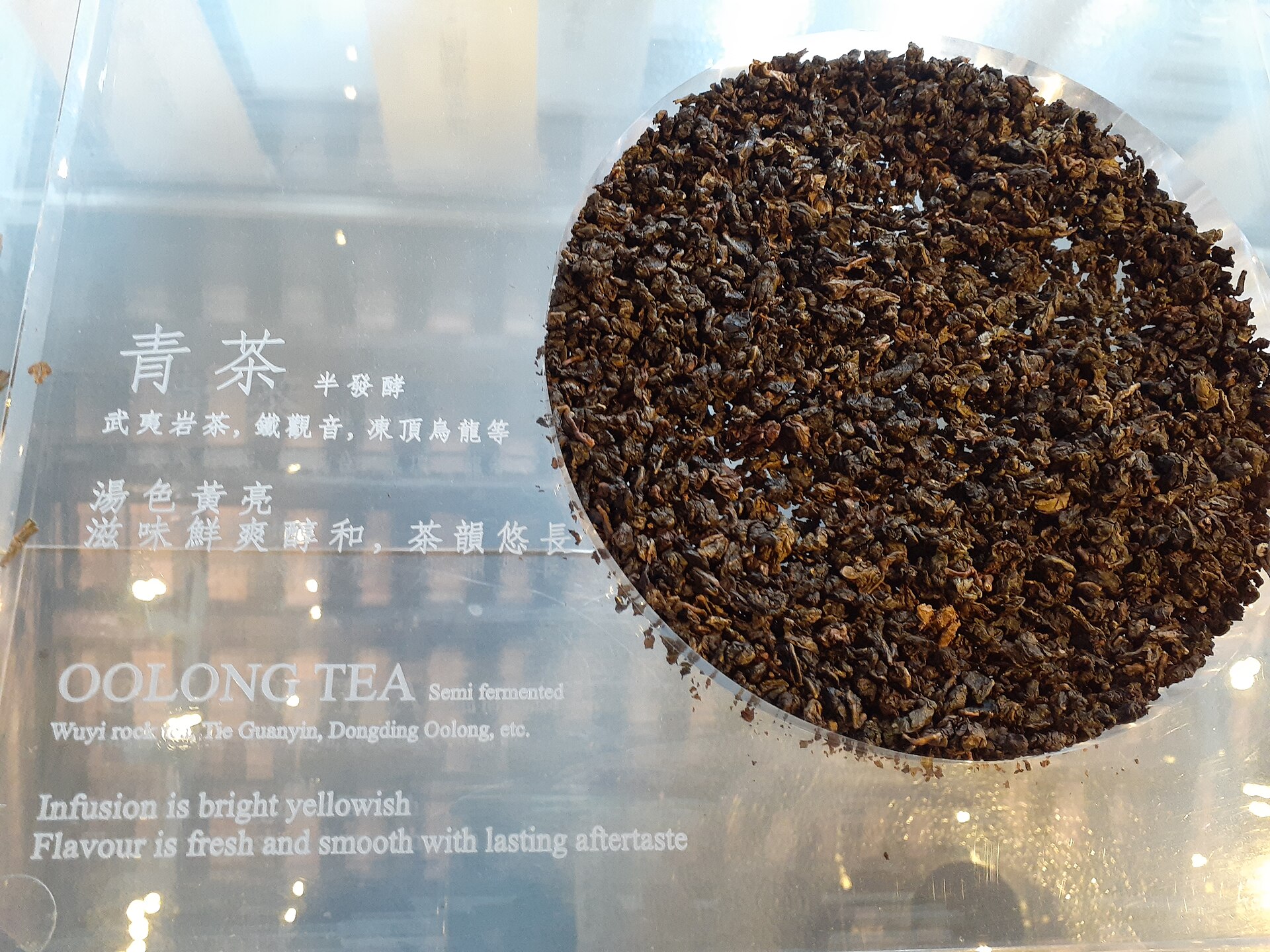
This also explains why roasted oolong has special potential in rainy weather. It naturally brings something steadier, warmer, and slower in its back-half tea sensation. It works well hot without needing heavy milk as support. Seen alongside light milk tea, the point becomes clear: the real competition in rainy hot drinks is not about who feels most like winter. It is about who feels most suited to the bodily state created by wet grey weather.
4. Why are light milk tea and roasted oolong especially easy to write as “the rainy-day cup”?
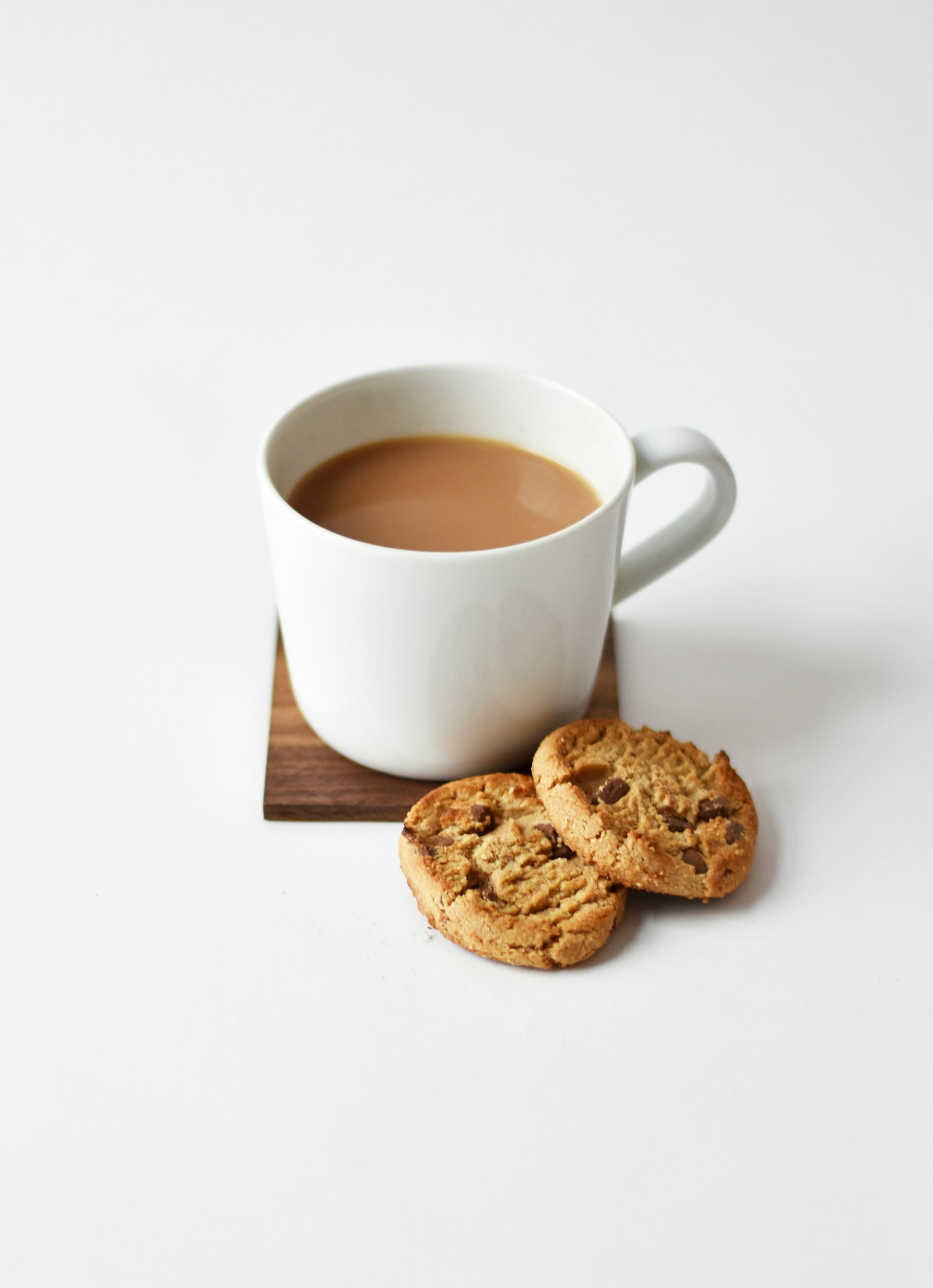
Because both solve the most awkward contradiction of rainy weather: people want more support than plain tea gives, but they do not want to be pressed down by traditional heavy milk tea. Light milk tea works because it provides a middle answer consumers can explain very easily to themselves. It has milkiness, but not heavy milkiness. It has a tea base, but not a hard-core pure-tea demand. In damp cold weather, it feels gentler and smoother, yet it does not make people feel like they just drank a full dessert. For many workday rainy moments, that feeling of “I took care of myself a bit, but not too much” is extremely valuable.
Roasted oolong offers another direction. It is less bright and floral than many fragrant tea bases and better at making a hot cup feel settled, deeper, warmer, and more structured in the finish. On rainy days, consumers often do not necessarily want sharp, extroverted fragrance. They are more likely to want something quieter that lets the body and mood settle downward. Roasted oolong, slow-roasted tieguanyin, and more mature aromatic oolongs or black teas look especially reasonable here because they carry tea character and also a kind of weather-appropriate maturity.
Placed together, these two directions show that brands are not merely selling “hot drinks.” They are selling which kind of warmth makes most sense in rainy weather. Light milk tea leans toward soft support, while roasted oolong leans toward deeper structure. The former is well suited to slow office sipping; the latter is better at pressing down the wet chill of the weather. Neither is an extreme product, but both are much more directional than “just get something hot.”
The rainy-day hot drinks with the most real force are usually not the heaviest. They are the steadiest—warm enough to comfort, structured enough to settle the body.
5. Why does rainy weather also push hot lemon tea and cleaner tart tea structures back onto the main menu?
Because rainy weather does not always require thickness. Very often it requires reset and brightness. That sounds counterintuitive at first. People assume wet grey weather should push everyone toward warm milk tea, so why do hot lemon tea and cleaner tart tea structures also work? The reason is simple: weather-induced dullness does not always need to be solved by heaviness. It can also be solved by a cleaner, sharper reset. Especially after lunch, in the mid-afternoon, or when people feel sluggish while waiting in a mall, hot lemon tea or a warmer clean tart tea can feel like a subtle way to brighten both the mouth and the mind.
This connects closely to what we have written about the after-meal cup and the post-spicy cup. After a meal or heavy flavors, consumers want to clear the mouth, reduce density, and reset their state. Rainy weather often creates a similar need. It may not follow spicy food, but it can still make the body feel wet, sluggish, and overcast, which leads people to want a cleaner entry point. Hot lemon tea fits this line not because it is the strongest heat source, but because it makes warmth and quick reset work at the same time.
This also shows that the rainy-day scene is not a single path. It does not only create opportunities for milk-based products. It creates opportunities for any structure that can balance warmth, mouth-clearing, and state correction. Brands that understand this will not reduce rainy menus to a pile of heavy hot milk drinks. They will build a fuller gradient: some cups support, some brighten, some suit slow office sipping, and some suit the quick warm-up before heading back outside.
6. Why does the “office shelter refill” become the most practical high-frequency entrance within this line?
Because many rainy-day purchases do not begin with “I strongly want a specific drink.” They begin with “I happened to stop here.” You come downstairs to pick something up and realize the rain is still heavy. You finish a meeting and want to grab something before returning to your desk. You wait for someone in a mall, or simply want to stand inside for a few more minutes before stepping back out. You are about to leave work, look outside at the grey weather, and feel like you need something to reconnect yourself to the rest of the day. None of these are high-desire moments, but all of them are moments fresh tea can enter easily. Stores already offer a place where people can pause, and rain magnifies the value of that pause.
This also explains why the rainy-day cup works especially well as small-size, warm, light-milk, or cleaner-structured drinks. Office refills do not welcome complex thinking, nor do they welcome drinks with obvious aftereffects. People do not want to carry a giant cup back upstairs and slowly grow tired of it, and they do not want a product that looks too much like a snack or dessert in the middle of the workday. The cups best suited to office rain-shelter refills are usually the ones that are easy to order, warm in the hand, gently supportive, and not liable to make people feel they overdid it.
From a brand perspective, this scene is more valuable than many pure traffic-driven viral items. It happens on high-frequency workdays, and once the habit forms, repeat purchase can become very stable. Whoever becomes the default “the safest thing to grab downstairs on a rainy day” is not just selling one burst of weather marketing. They are selling a realistic daily action.
In rainy high-frequency buying, the most valuable thing is not intense craving. It is that “since I am stopping here anyway, this is the most reasonable cup to grab” feeling being captured by the brand.
7. Why does small-cup logic also become especially reasonable in rainy weather?
Because the rainy-day cup is often not “the one big cup worth fully indulging in today.” It is “the most suitable small correction for this moment.” That matches exactly what we discussed in small-cup logic: once consumers care more about bodily burden, trial cost, and the possibility of multiple drinks within a day, a small cup is no longer just less volume. It becomes a structure that makes ordering easier. Rainy weather amplifies that. Consumers may only want to warm their hands, reset their mouth, steady their mood, or create a transition before going back upstairs. They do not necessarily want to take on a giant cup.
Small cups also fit rainy hot drinks and cleaner products particularly well because many of these drinks are selling balance rather than overwhelming satisfaction. Once the volume gets too large, light milk tea can become tiring, hot lemon tea can lose sharpness and feel exhausting, and roasted oolong can move from comforting to overly dense. When the size is reduced, the drink looks more like a reasonable act. For brands, this is not only about capacity. It is about turning “buy a cup because it is raining” from a larger decision into a smaller one. The more it feels like a small action, the more often it can happen.
That is also why the rainy-day cup naturally connects to the second-cup logic. Many people may already have had another drink earlier, or may have already had something after lunch, but once they see the rain outside and prepare to return to work, they are still willing to allow themselves a small, stable hot or mouth-clearing cup. In that moment, the small size is not a compromise. It is what makes “one more cup still makes sense” possible.
On rainy days, people often do not want a lot. They want just enough. Small-cup logic makes that easier to justify.
8. Why does this matter within the larger chain of 2026 drinks changes?
Because it once again shows that the deepest shift in fresh tea today is not simply that there are more flavors. It is that brands are increasingly organizing themselves around concrete life moments. We have already seen breakfastization, the second cup, after-meal logic, night-time logic, small-cup logic, the return of hot drinks, and the front-stage rise of roasted oolong. When those lines are read together, what brands are really rewriting is not “which flavor is more popular,” but “what kind of tea makes more sense under what weather, what time, and what bodily condition.” The rainy-day cup is one of the clearest and most practical parts of that map.
Its importance lies in the way it turns many details that would otherwise look secondary—temperature, temporary shelter, dampness, office refills, hand warmth, order threshold, small size, and the balance between comfort and mouth-clearing—into a product logic that can be managed seriously. Whoever writes that logic better will capture a few more very real high-frequency transactions from a weather condition that might otherwise look too minor to matter. For mature brands, that kind of weather-based frequency entrance is often more valuable than a spectacular but short-lived viral stunt.
In the end, the competition around the rainy-day cup is not about who writes “healing” better, and not about who designs the best seasonal poster. It is about who understands what state the consumer is trying to leave, and what state they are trying to return to, when the weather is wet and grey. If tea can answer that question, then it is selling not just something hot or something cold, but a small adjustment that fits the real rhythm of the day. That is already enough to make it worth recording seriously in 2026.
Existing site features on the return of hot drinks, the second cup, after-meal timing, small-cup logic, roasted oolong on the front menu, and office-supply tea logic (March to April 2026).
Synthesized observation of hot-drink, refill, commute, and mall-shelter consumption logic in Chinese chain tea stores during wet and rainy weather.