Why Hong Kong–Style Lemon Tea Became a High-Frequency Tea-Drink Answer Again in 2026: The Return of a Format That Sits Between Fruit Tea and Pure Tea
Created: · Updated:
If one set of high-frequency 2026 tea-drink keywords belongs to lighter milk, lower sugar, truer tea bases, hydration feeling, and ingredient transparency, another increasingly belongs to lemon tea. It is not always the flashiest new flavor, and it is not always framed as the year’s most explosive launch, but it keeps showing up in everyday Chinese-internet discussion: what to drink after spicy food, what works after hotpot, what to carry on the commute, what to order when the weather is hot but you do not want something too heavy, what to drink when you need a wake-up cup without the thickness of milk tea. The return of Hong Kong–style lemon tea is not just nostalgia. It reflects a product format that now fits a very important consumer band: more visual than pure tea, steadier than heavily fruity tea, less cloying than milk tea, and highly compatible with commuting, delivery, lunch breaks, and frequent repeat purchase.
In other words, lemon tea’s return is not an isolated event. It reflects a broader 2026 tea-drink reordering. Brands increasingly need products that can answer two questions at once: why this can be ordered often today, and why it is still more interesting than a boring light drink. Hong Kong–style lemon tea is one of the most mature, stable, and fatigue-resistant structures in that category.
Hong Kong–style lemon tea is not becoming hot again because it suddenly turned exotic. It is becoming hot again because it fits today’s tea-drink needs almost perfectly: de-greasing, palate-clearing, commuter-friendly, delivery-friendly, and still visibly like a “real” modern tea-shop product.
Hong Kong lemon teade-greasing tea drinkspalate-clearingcommuter cupstea drink trends
What this feature is tracking
Main question: why Hong Kong–style lemon tea became a high-frequency answer again in 2026 tea-drink menus
Key threads: de-greasing and spicy-food pairing, office and commuting scenes, hydration feeling and palate-clearing effect, a stable structure between pure tea and fruit tea, and lemon tea’s repeat-purchase strength
For readers who want to understand why a drink that does not look especially flashy is becoming more suitable for today’s menu logic and daily consumption rhythm
1. Why Hong Kong–style lemon tea, specifically, became a high-frequency answer again in 2026
Because it fits the kind of stable-but-not-boring product structure the tea-drink industry now needs. Over the last several years, tea drinks have been pushed toward two extremes. One is richer, milkier, heavier, more dessert-like consumption. The other is lighter milk, lower sugar, truer tea, cleaner labels, and more everyday functional framing. By 2025 and 2026, both directions were already crowded. Consumers became more selective: they wanted something lighter but not empty, more real but not dull, more frequent and everyday but not as flat as convenience-store bottled tea.
Hong Kong–style lemon tea lands right in the middle. It has a clear tea base, a sharp lemon aroma, the structural memory of pressed lemon against brewed tea, and a very strong scene identity: de-greasing, summer relief, palate-clearing, waking up, pairing with meals, delivery, and commuting. It does not need the fruit stacking of many heavy fruit teas, and it does not require consumers to appreciate tea the way pure tea often does. It is easy to enter, but not hollow.
More importantly, its value does not depend on whether this year has a new trendy fruit. It is not just a seasonal spike. It is a durable base structure. Whenever brands need something that can serve hot-weather frequency, meal pairing, and light-burden storytelling at the same time, lemon tea almost always gets pulled back into focus. That is why it feels as though it never truly leaves; it simply returns to a more visible position whenever the menu is reorganized.
The strength of lemon tea is not complexity. It is how steadily it combines tea character, citrus sharpness, freshness, and de-greasing effect into something that can keep re-entering daily life.
2. Its return is not just regional nostalgia. It is also the return of a dependable partner for heavy meals and spicy food
If Hong Kong–style lemon tea is reduced to regional nostalgia, the picture becomes too narrow. One major reason it is being amplified again is that today’s restaurant and takeaway scenes increasingly need a reliable “mouth-reset” drink. The site has already discussed post-meal tea drinks and tea drinks for spicy food. Modern tea drinks are no longer just shopping-street impulse buys. They are being inserted more deeply into specific moments before and after meals, in the middle of workdays, and during late-afternoon energy dips. Hong Kong–style lemon tea is especially strong here because its usefulness requires almost no explanation. Consumers understand it immediately.
After hotpot, barbecue, fried food, marinated snacks, spicy noodles, or a heavy lunch box, many people do not want milk tea. They also do not necessarily want a fruit-forward drink with too much sweetness or too much pulp. Lemon tea works because its acidity cuts through grease, its tea bitterness and tannic finish help reset the palate, and its icy large-cup format creates an immediate feeling of relief. It is not as aggressively stimulating as soda, but it has far more presence than water. What it provides is a very direct palate-clearing experience.
That palate-clearing logic also makes it ideal for habit formation. Many fruit teas feel more like weekend mood consumption. Many milk teas feel like something you need to consciously enjoy or consciously “pay for” in bodily heaviness. Lemon tea, by contrast, more easily enters the order of “just get that again today.” That is why it stays so tough in food-pairing scenes. It does not win through novelty. It wins through reasonableness.
3. Why it is steadier than many fruit teas: lemon tea sells a structure, not just a fruit story
Fruit tea is still hot, but increasingly depends on finer fruit segmentation, stronger visual memory, and more seasonal/social-media support. Grapes, mango, yangzhi ganlu, coconut water, and orange combinations all have their own emotional windows. Hong Kong–style lemon tea is different. Its key point is not that lemon is especially new this year. Its key point is that tea, acid, bitterness, sweetness, ice, and cup size form a very stable entry structure. In that sense, it is closer to a mixing system than to a single fruit launch.
That makes it more fatigue-resistant than many fruit-heavy products. Consumers may get tired of a flashy new fruit tea, but they are much less likely to stop needing a big de-greasing, palate-clearing lemon tea. The basic reason for its existence is too plain and too everyday. That is exactly what makes it durable. Brands therefore feel more comfortable placing it in the middle of the menu, or even in high-frequency recommendation space, instead of hiding it in a seasonal corner.
Put simply, many fruit teas sell “I really want something fresh and fun today.” Hong Kong–style lemon tea sells “I really need this today.” The second logic is usually harder and more repeatable.
Fruit tea is often better at creating “I want to photograph this today.” Lemon tea is often better at creating “I need this today.”
4. Why it is more visual than pure tea: lemon slices are one of the most efficient image languages in modern tea drinks
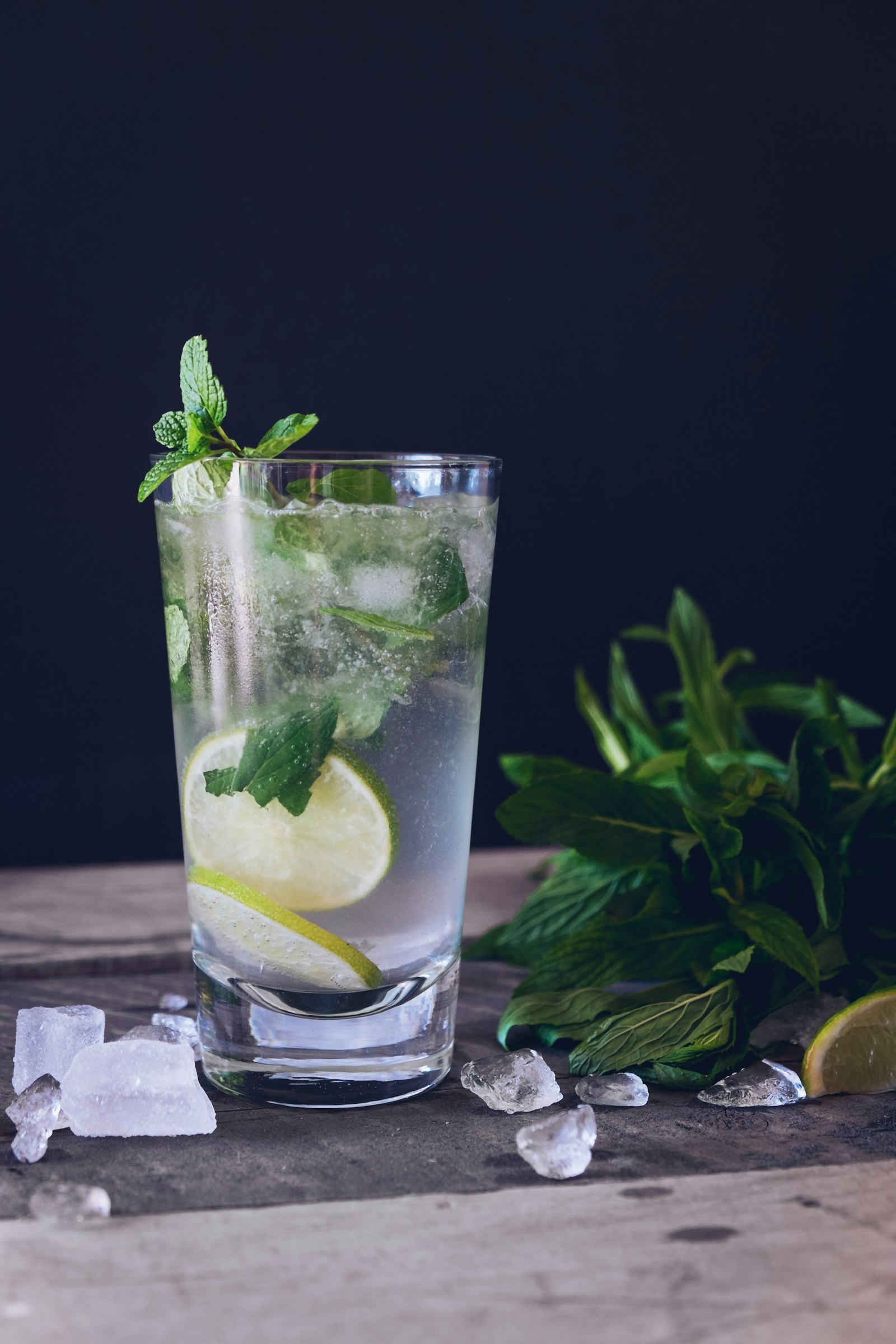
Another reason Hong Kong–style lemon tea is especially useful now is that it naturally has an image. Pure tea can absolutely be sophisticated, and brands are taking cold tea far more seriously now, but for most ordinary consumers, pure tea still often needs more explanation about tea base, roast, aroma style, or process. Lemon tea is different. Lemon slices, ice cubes, tea color, transparent cups, and the pressed texture of citrus already create a highly readable drink image.
That makes it ideal for platform circulation. Brands do not need to explain much. Consumers already know roughly what it feels like: sharper, cooler, cleaner, more wakeful. In fact, it is often easier to identify than many complicated fruit teas precisely because it has fewer layers that need explanation. For brands, that combination—low explanation cost and high recognizability—is valuable. Not every drink can be easy to understand, easy to photograph, easy to order, and easy to repurchase at the same time.
That is also why Hong Kong–style lemon tea can serve as a stable visual anchor on the menu. It does not age as quickly as some seasonal fruits, and it does not lose the poster war the way very plain pure tea sometimes can. Its position is subtle but strong: simple enough, yet still clearly a complete tea-shop product.
For modern tea brands, a lemon slice is highly efficient visual language. It almost instantly says citrus sharpness, freshness, de-greasing power, large-cup summer use, and everyday drinkability all at once.
5. Why it fits commuting and office life so well: it is one of the few products that can be large-format without feeling like a burden drink
As noted in the site’s office survival feature, tea drinks increasingly function as workday state management. People no longer order only for pleasure. They also order to wake up, reset, get through meetings, or survive the afternoon. Hong Kong–style lemon tea works especially well here because it can easily be made into a large-format, high-ice, obviously practical cup—the kind of drink that feels like it can carry a person through part of the day.
Many milk teas can also be stimulating, but they too easily feel heavy in a workday setting. Many pure teas are light, but in commuting scenes can feel too plain, not like something worth buying from a tea shop. Many fruit teas fit summer well, but their pulp, sweetness, and fragrance structures are not always ideal for repeated high-frequency use. Lemon tea sits right in the middle. It is light enough, quick enough, obvious enough, and still does not lose its status as a “real” made-to-order tea drink.
It also works especially well in delivery. Compared with some milk-cap products that must be consumed immediately, or heavier fruit products whose layered texture changes too quickly in transit, lemon tea usually travels better. Consumers know that when it arrives, it is still likely to be a cup that can quickly get them back into motion. That kind of stability matters a lot in high-frequency weekday consumption.
For weekday consumers, lemon tea is not just “tasty.” It is a drink that feels safe to order, easy to carry, and efficient to drink without dragging down the day.
6. Why it also fits the “hydration-feeling economy” and light functional language without becoming a functional drink
Many tea drinks now borrow the language of hydration, cooling, or light functionality, but Hong Kong–style lemon tea is clever because it does not need to force itself into a hard functional-drink identity. It does not rely on complicated ingredient claims. It relies on immediate bodily sensation: citrus sharpness, ice, tea structure, a clean finish, and the feeling that the mouth has been reset. That is enough for consumers to read it as something that “helps me get back into shape,” without making it feel industrial or medically targeted.
That is also why it is more durable than many concept-heavy “light functional” tea drinks. A lot of products stand only because of their concepts, and once the concept cools, they feel empty. Lemon tea almost never has to justify its own existence. The problem it solves is too concrete: heat, grease, fatigue, a heavy mouthfeel, or the need for a large clear-headed drink. It is not magical. It is simply useful.
From a business point of view, that “lightly functional without becoming a functional beverage” position is excellent. It lets brands borrow hydration, freshness, commuting, and de-greasing language without having to become a strict performance-drink category. For made-to-order tea brands, that is a very comfortable place to be.
7. Where its boundaries are: not every lemon tea works just because the topic is hot again
Of course, lemon tea is not automatically safe. The fact that it is becoming hot again also means consumers are judging it more strictly. In the past, enough sourness, enough ice, and enough cup size may have been enough. Now consumers care more about whether the tea base actually holds up, whether the lemon tastes fresh, whether the acid-sweet balance is comfortable, whether the back half of the cup turns thin or harsh, and whether a drink that claims to be refreshing is in fact overloaded with sugar.
So lemon tea’s competition today is not really about whether anyone sells it. It is about who can do this apparently simple thing in a smoother, cleaner, more convincing way. That sounds modest, but the difficulty is real. The more basic and high-frequency a product becomes, the less tolerant consumers are. If a novelty launch is bad, people may complain and move on. If a base product is bad, they simply switch stores.
That is also why it is worth tracking. Lemon tea does not rise on the strength of one marketing event. It is a test of basic brand skill. Tea base, ice, sugar level, lemon handling, cup design, delivery stability, and meal-pairing ability all shape whether it becomes a real long-term line instead of a menu nostalgia symbol.
8. Why this matters as part of the larger 2026 drinks picture
Because it connects several trends that can otherwise look separate. First, it relates to fruit tea’s return: both answer the question of how to feel lighter and cleaner without becoming boring. Second, it relates to Oriental iced tea as a series: both show how tea bases are moving back to the center of cold-drink systems. Third, it relates to post-meal tea drinks, spicy-food pairing, and office survival tea drinks: all of them show that modern tea drinks increasingly depend on specific moments and bodily states rather than simply selling generic happiness.
The return of Hong Kong–style lemon tea shows something very practical about the industry. After the era of nonstop complexity and novelty, brands are starting to respect basic high-frequency products again. These products are not always the flashiest. They are not always the most expensive. They are not always the most event-like. But they are well suited to becoming part of the consumer’s real daily order. Seen from 2026, that may matter more than many short-lived blockbusters.
So I would read the return of Hong Kong–style lemon tea as a very realistic signal. The next stage of tea drinks is not only about pushing complexity ever further. It is also about reinventing the base answers that people keep needing. Lemon tea is back not because it is old, but because it fits today too well.