Why fresh tea drinks still belong to the larger Chinese tea story: from scented tea and blending to modern city takeaway cups
Created: - Updated:
One of the laziest ways to talk about modern Chinese tea drinks is to throw them onto the opposite side of "tradition," as if one world were made of mountains, craft, gaiwan brewing, and calm appreciation, while the other were made of milk, fruit, ice, sugar, delivery apps, and branded plastic cups. The contrast sounds neat, but it hides how broad Chinese tea culture has always been. Chinese tea has never entered life through only one legitimate door. Pure leaf brewing matters, but scenting, blending, seasoning, cooling, sharing, takeaway drinking, and social tea spaces have all been part of the larger story too.
So the real question is not whether fresh tea drinks are "traditional enough." The more interesting question is why something that looks so modern, so commercial, and so native to malls and phone ordering should still be read as part of a longer Chinese tea continuum. The answer is not that we should force every modern product into a fake ancient pedigree. It is that Chinese tea culture has never been a single frozen museum form. It has always changed with vessels, cities, trade, social habits, temperature, and ways of moving through daily time.
Today's tea chains simply take several long-standing capacities of Chinese tea culture—using tea as a base, combining it with floral scent or fruit brightness, adapting it to season and temperature, and making it easy to share or carry—and reorganize them inside contemporary urban commerce. Fresh tea drinks are not replacements for serious tea appreciation. But they are one of the most common ways millions of people now begin a relationship with tea.
What matters most about fresh tea drinks is not that tea became more decorative. It is that tea returned to high-frequency city life: bought on the way somewhere, carried through streets and offices, shared with friends, and folded into ordinary routines.
1. Why does treating fresh tea drinks as the total opposite of tradition miss so much?
Because that contrast assumes an overly narrow image of what "real tea" is allowed to be. If only loose leaf, calm brewing, specialist vessels, and slow connoisseurship count as legitimate, then everything involving milk, fruit, ice, chains, branding, or delivery is automatically demoted. But Chinese tea history is more varied than that. Tea has lived in refined settings, but also in teahouses, streets, journeys, work breaks, and seasonal improvisations. It has been appreciated for leaf quality, but also for fragrance, refreshment, hospitality, pairing, and bodily comfort.
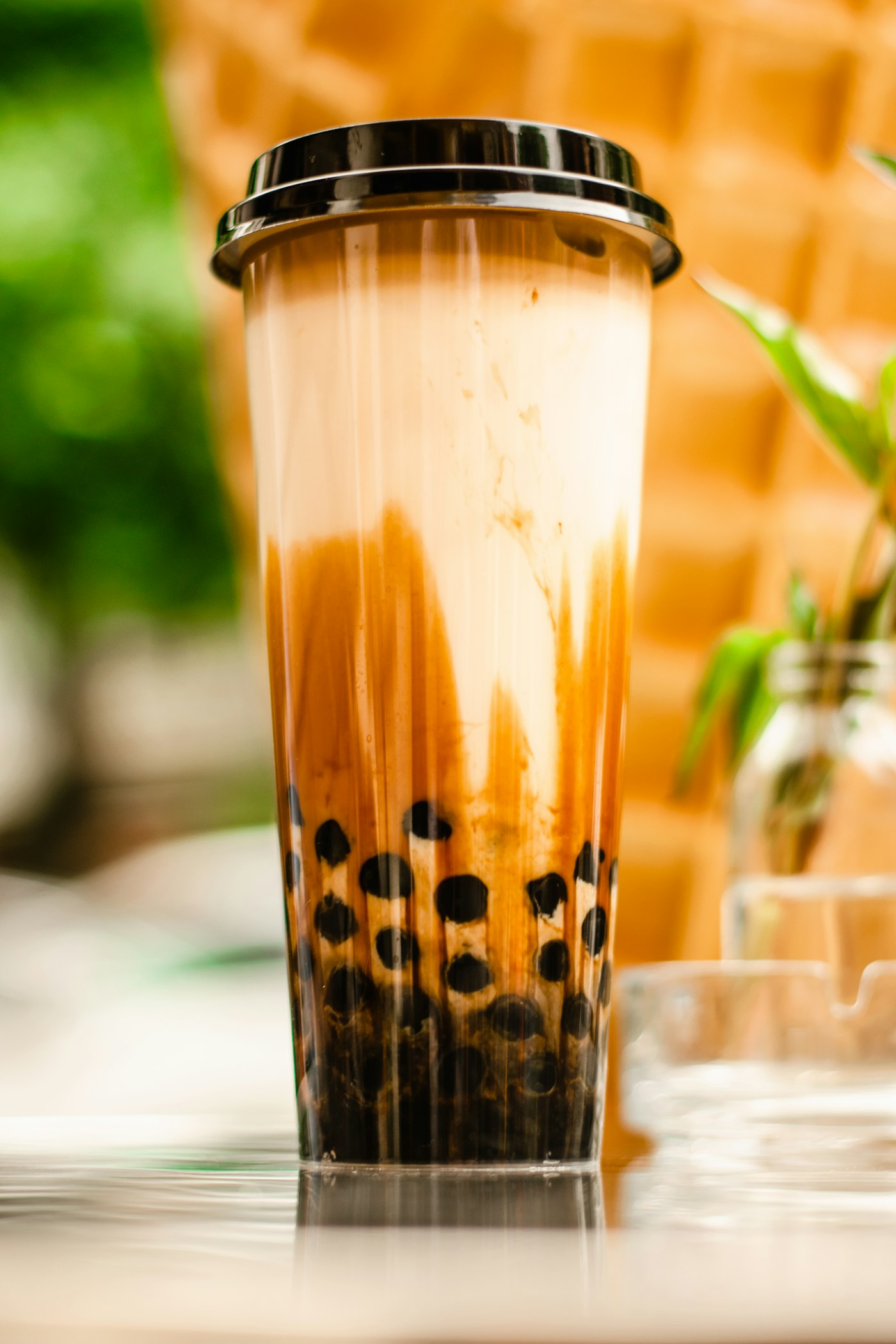
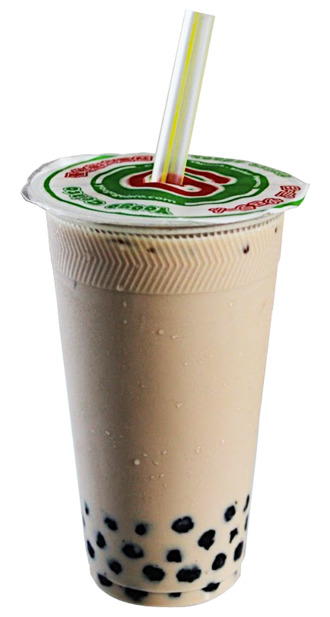
What stays continuous across time is not one single cup format. It is tea's ability to be repeatedly placed back into life. As long as people are still organizing daily drinking around tea base, aroma, season, social use, and habit, tea remains present in the cultural system. The interface changes. In one era that interface might be a charcoal stove and a bowl. In another it might be a gaiwan and a side table. Today it may be a transparent takeaway cup, a pickup counter, and a mini-app order screen.
Whether tea is served pure or blended, it still begins as a specific material. Fresh tea drinks matter because they reorganize that tea material into faster, more urban, more repeatable systems of everyday consumption.
2. Chinese tea already had scenting, blending, and hot-cold adaptation long before modern chains
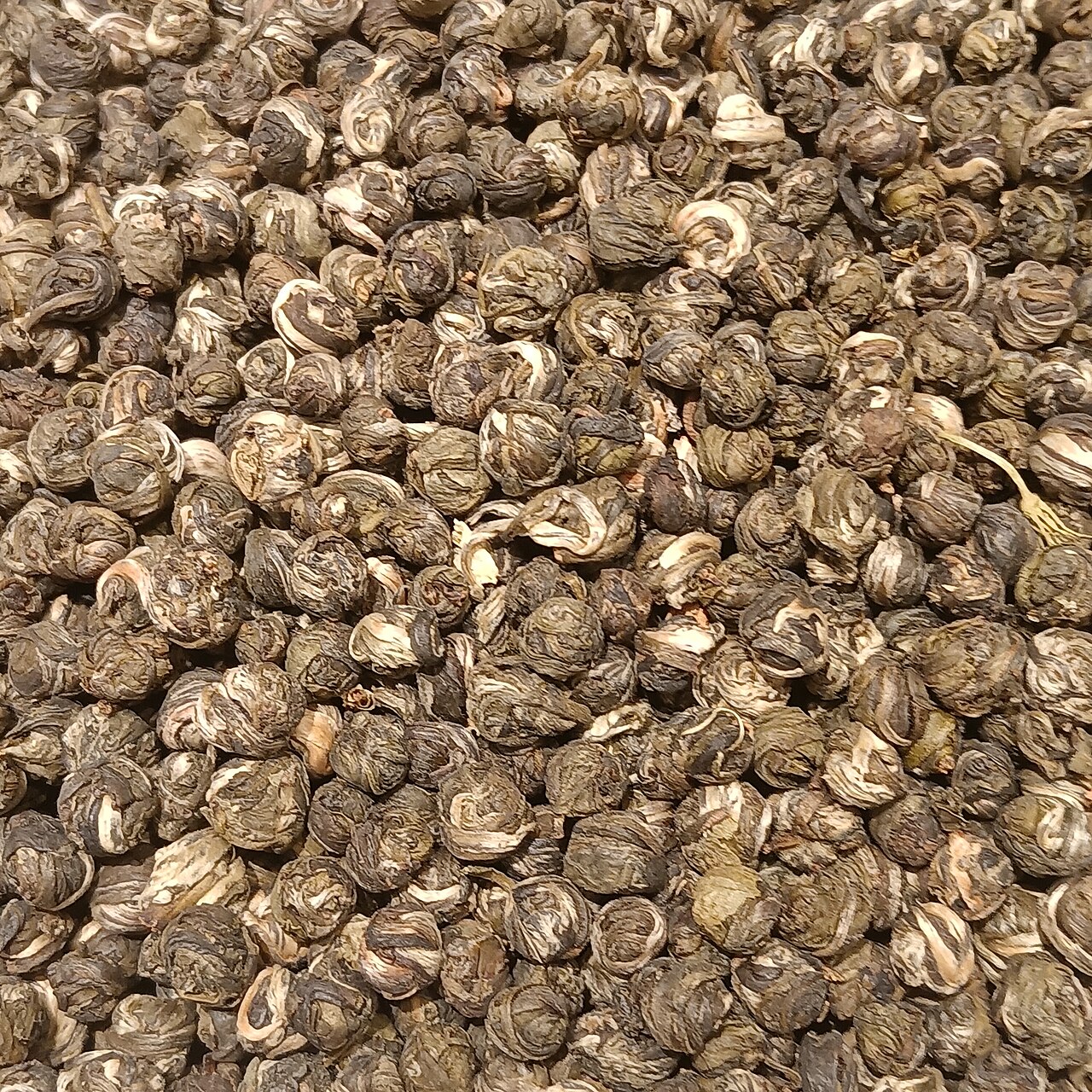
Many people inherit a simplified image of Chinese tea from a relatively narrow set of modern cultural pictures: gaiwan, Yixing, gongfu brewing, mountain origins, careful pacing, and a calm table. That picture is real, but it is only one part of a much wider field. Scented teas are the clearest reminder. Jasmine tea is not some modern corruption of tea. It is a deeply established way of building a relationship between tea base and floral aroma. Likewise, tea has long interacted with snacks, social gatherings, changing temperatures, and practical needs of place and season.
Even the movement toward cold tea is less shocking than it first appears. Once tea enters hot, dense, commercial cities, it naturally gets pulled toward more portable, more refreshing, and less time-intensive forms. Today's iced lemon teas, cold-brew teas, and fruit-tea hybrids clearly depend on modern supply chains and urban retail design. But they also resonate because Chinese tea culture has never been unfamiliar with the idea that tea can be adjusted to context rather than frozen in one ideal serving format.
That is why fresh tea drinks are better understood as a reorganization than as an absolute rupture. They gather together several older capacities—tea base expression, floral expression, fruit pairing, thermal flexibility, sharing, and speed—and industrialize them inside malls, office districts, phone apps, and chain-store systems. The abilities are not new. Their scale, speed, and distribution are.
Scented tea shows that stronger floral expression in tea is not a modern invention. Many contemporary tea chains are effectively translating an older Chinese instinct for aroma-led tea into a new urban language.Cooling tea creates another entry point. It no longer requires a seated brewing session, yet tea can still remain a daily drink for refreshment, clarity, and light stimulation.
3. The biggest modern shift is not milk or fruit, but the large-scale urban redistribution of tea
If we reduce modern tea drinks to "tea plus additions," we underestimate their historical importance. Milk, fruit, flowers, and sweetening are not the truly new part. Distribution is. The modern tea shop reconnects tea to urban infrastructure: mall frontage, office takeaway windows, delivery systems, phone ordering, standardized cups, and visually distinct branding built for instant recognition. This matters because tea no longer enters everyday life only through slow cultivation of habit. It now appears repeatedly with high visibility and low decision cost.
That is why modern tea drinks and traditional tea should not be framed as competitors fighting for one seat. They occupy different entry points. Traditional brewing supports lingering, comparing, learning, and depth. Modern tea retail supports commuting, refreshing, socializing, quick pleasure, and repeat purchase. Many younger drinkers do not first meet tea through a gaiwan. They meet it through a branded cup that says jasmine, oolong, roasted, floral, or real tea base. The doorway is shallower, but the doorway still matters.
In that sense, fresh tea drinks do something both very Chinese and very modern: they refuse to treat tea as a relic that must remain in one complete classical form. Instead, they treat tea as living material that can still be packaged, moved, sold, photographed, discussed, and folded into ordinary metropolitan rhythm. That creates risks of flattening and simplification, but it also gives tea a tremendous modern reach.
The real strength of the modern tea shop is not a single hero product. It is the distribution system behind it: counter, pickup, display, queue, and steady urban foot traffic that make tea newly accessible at scale.
4. Why do many younger drinkers learn tea vocabulary through modern tea retail, even if they begin with milk and fruit?
Because even highly commercial tea brands cannot completely remove tea from the structure of the product. In fact, many of them rely on tea distinctions in order to differentiate themselves. Is the base jasmine or oolong? Roasted or fresh? Floral or mineral? Stronger tea body or softer milk profile? Consumers may not acquire specialist knowledge, but if they keep seeing these terms across menus, posters, social media, and friend recommendations, the vocabulary slowly enters their sensory world.
This form of education is fragmented and often marketing-led. It is not the same as learning tea through deep craft study. But it still functions as entry-level education. Many people first discover that tea base genuinely changes a drink's character—not in a tea manual, but after ordering different chain-shop drinks over and over. That learning is imperfect, but it is real. It gives tea continued presence in the language and habits of people who might otherwise never approach tea at all.
From a cultural point of view, that matters enormously. A tea culture survives not only through specialists and purists, but also through wide, imperfect, repeatable outer circles of participation. Fresh tea drinks help create that outer circle. This is one reason they sit on the same long line as the new appreciation for unsweetened bottled tea and renewed tea taste.
5. What, then, still separates modern tea retail from traditional tea worlds? Quite a lot—and that is fine
Placing fresh tea drinks inside a larger continuum does not mean pretending they are identical to gongfu sessions, teahouse culture, origin-based appreciation, or detailed craft judgment. The differences remain large. The goals are different. Traditional tea often values attention, pacing, comparison, and layered aftertaste. Fresh tea retail prioritizes efficiency, recognizability, repeatability, portability, and scalable branding. The rhythms are different too. Traditional tea asks for time; chain tea compresses time. The modes of explanation are different as well. Traditional tea builds judgment through experience and practice; modern tea retail often builds recognition through naming, menu architecture, packaging, and visual cues.
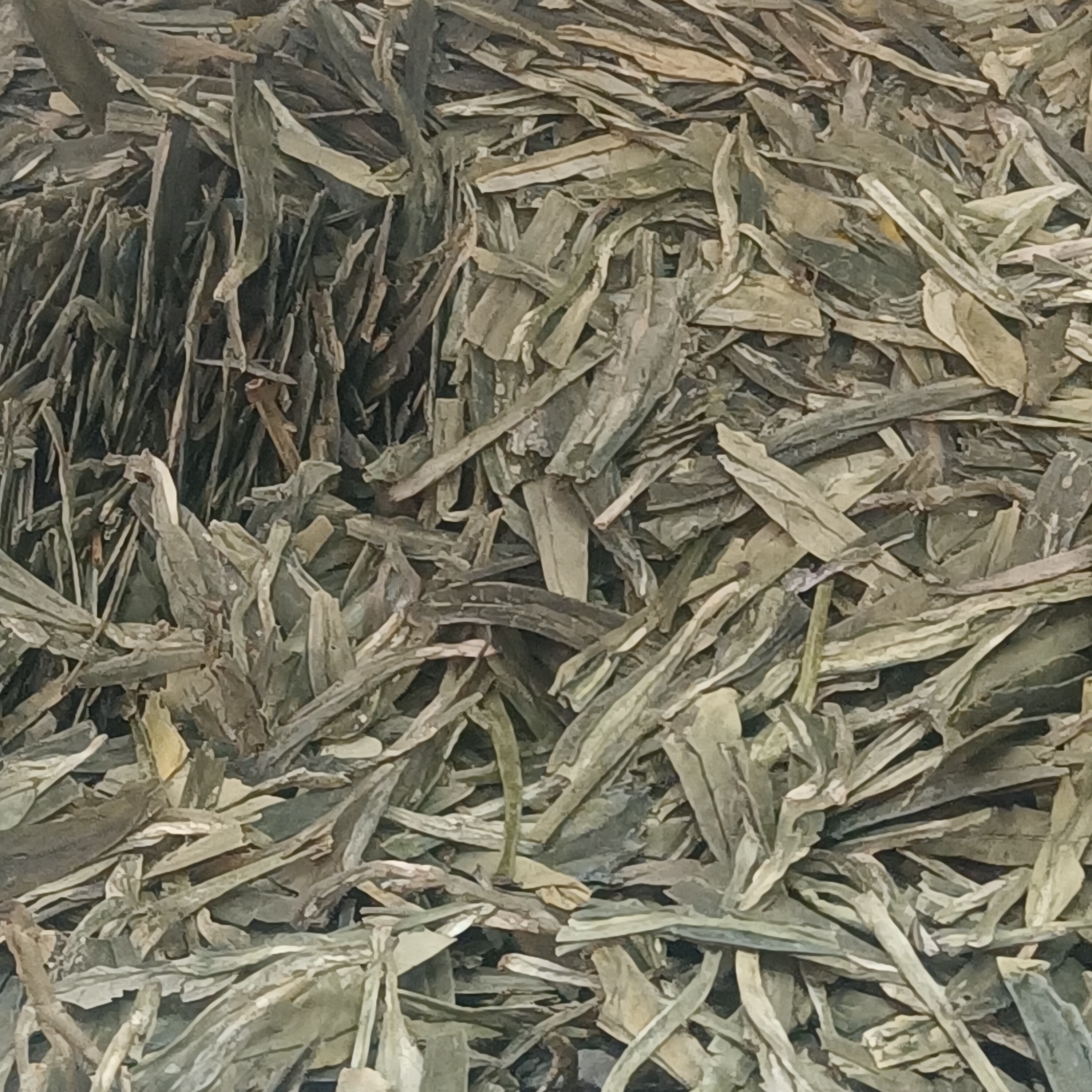
These differences should not be erased. They are part of why each form works. The mistake is to translate difference automatically into hierarchy. Fresh tea drinks are not the summit of tea culture, but neither are they its enemy. They are another interface, another layer, another speed. Some drinkers will move from this layer into deeper exploration of oolong, jasmine, Longjing, dancong, or pu-erh. Others will simply keep modern tea retail as a pleasant and repeatable everyday beverage habit. Both outcomes are culturally meaningful.
And only by admitting the differences can we fairly discuss the strengths and weaknesses of the modern tea shop. Its strength is scale, visibility, and accessibility. Its weakness is that tea can be buried under sugar, milk, aroma engineering, trend cycles, and highly optimized branding. That is exactly why phrases like "real tea base," "ingredient transparency," and "fewer additives" now matter so much: the market is starting to ask whether tea is genuinely present, or merely being used as atmosphere.
One major difference from traditional tea is that chain-shop tea has to explain itself almost instantly. That makes visible structure, tea clarity, and quickly legible product claims part of the competition.
6. Why is it especially important to explain continuity to international readers instead of only novelty?
Because overseas readers often fall into one of two traps. The first is to imagine Chinese tea only as a classical, ceremonial, static tradition. The second is to imagine contemporary Chinese tea drinks as a wholly disconnected fast-consumer phenomenon. The better explanation avoids both mistakes. Chinese tea culture has depth, but it also has adaptive power. Fresh tea drinks are one current expression of that adaptive power under conditions of dense urban retail, social-media circulation, and modern convenience.
This matters because continuity does not mean saying that current milk tea is ancient in its present form. It means the relationship between Chinese life and tea never disappeared; the interfaces changed. Today one interface may be a light milk jasmine tea, an iced roasted oolong drink, or a bottle of unsweetened tea bought from a convenience shelf. The forms are contemporary, but they still train taste, generate vocabulary, structure social behavior, and keep tea present in ordinary time.
If we only allow the slowest, quietest, most classical forms to count as authentic tea culture, we miss one of the liveliest truths about tea in China today: tea is still being translated into mass life in real time. That translation is not always elegant. But it is very much alive.
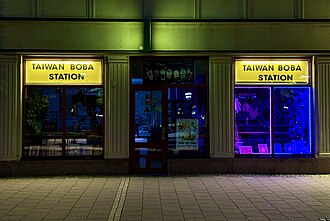
Modern tea often gets accepted first as something easy to read, easy to carry, and easy to share. Only afterward do some drinkers move toward more specific tea-base distinctions and deeper curiosity.Tea's place in modern China is not limited to quiet tea rooms. It also lives at counters, street windows, malls, delivery systems, and night-time retail environments.
7. So where exactly should fresh tea drinks sit inside the Chinese tea story?
The best answer is probably this: not as the whole tradition, and not as something outside it, but as a high-frequency modern branch of it. Fresh tea drinks are one low-threshold interface, one high-visibility redistribution system, one way tea re-enters daily life through the conditions of the contemporary city. They move tea from mountain origin stories and specialist tables back into mall corridors, office towers, pickup counters, delivery routes, and social feeds.
That gives them both cultural importance and commercial limits. Their importance is that tea has not withdrawn from the present. Their limit is that speed, branding, and standardization can flatten tea as much as they spread it. Precisely for that reason, modern tea drinks deserve serious writing rather than easy dismissal. In many eras, cultural continuity is preserved not only through the purest form, but also through the most widely distributed and imperfect interfaces. Fresh tea drinks are one of those interfaces for Chinese tea today.