Why tea tongs are more than a cup-picking tool: heat, hygiene, and small-scale order on the tea table
Created: · Updated:
Tea tongs, also called tea chopsticks in some contexts, are one of the most underestimated objects in the classic tea-tool set. Many people first notice them only because rinsed cups are too hot to touch, or because picking up cups with a tool feels cleaner. But after a few real sessions, their value turns out to be larger than heat protection or etiquette alone. Tea tongs participate in a whole chain of repeated small actions: lifting hot cups after rinsing, moving aroma cups or tasting cups, handling recently heated vessels, and reducing direct contact with the rim area in shared drinking. They are not the center of the table, but they often determine whether the table feels stable, rushed, or quietly well organized.
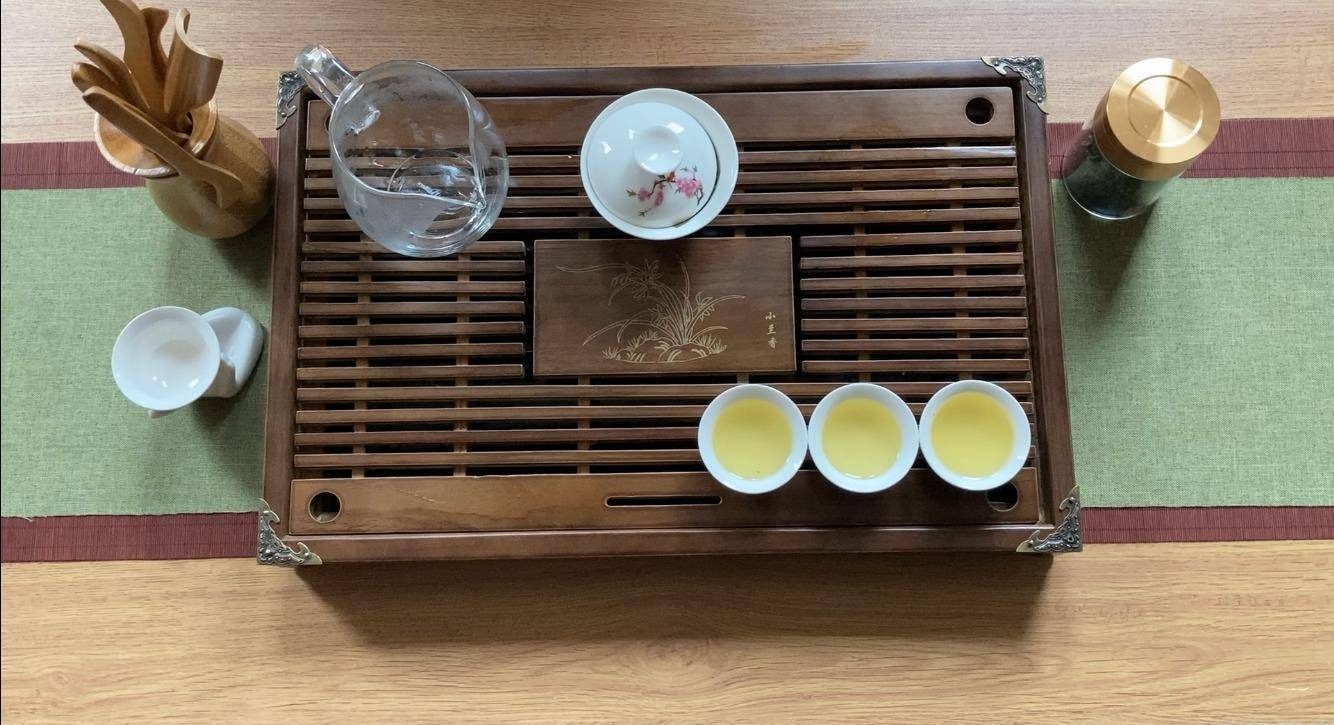
Unlike objects such as the gaiwan or the fairness pitcher, which directly shape brewing and serving, tea tongs mostly do not intervene in extraction itself. What they manage is movement and contact. They make it unnecessary to grab hot cups with bare fingers, allow rinsing movements to remain controlled rather than hurried, and make the hygiene logic of shared serving more explicit. The more a contemporary tea table values fewer objects, cleaner lines, and shorter working routes, the more obvious it becomes that this small tool is not decorative padding but part of the table’s operating order.
Tea tongs also reveal how someone understands the table. Some people treat them as ceremonial props and only place them out for appearance. Others really use them as working tools and keep them where they can quickly take over cup movement. The first group has a tea table that looks complete. The second has a tea table that works complete. The smaller the object, the clearer that difference often becomes.
What matters about tea tongs is not whether they look like a refined accessory, but whether they make rinsing, moving, and serving cups steadier, cleaner, and less disruptive to the rhythm of the table.
1. What exactly are tea tongs, and why are they also called tea chopsticks?
The most familiar form of tea tongs looks like a small gripping tool, usually made of bamboo, wood, stainless steel, or occasionally ceramic. In Chinese usage they may be called tea tongs, tea chopsticks, or tea clips. The naming variation is not strange, because the object itself sits between the logic of chopsticks and the logic of a clamp: it grips like chopsticks, but controls objects like a tong.
Public reference material usually describes tea tongs as tools for lifting cups, handling tea residue, or managing hot vessels, and they are commonly listed among the classic “six gentlemen” tea tools. Their basic logic is simple. On a tea table, some objects are not ideal to touch directly by hand. The clearest example is the recently rinsed cup, especially in shared service where repeated hand contact with the rim and body looks less clean and feels less controlled. Tea tongs solve that problem directly. They do not exist to create complexity, but to make contact more restrained and more manageable.
Precisely because their function looks so straightforward, people often underestimate them. But straightforward tools tend to expose working quality most quickly. If the tongs slip, feel awkward, run too close to heat, or are annoying to put down, those flaws are amplified immediately. Unlike major vessels, they do not survive on narrative prestige. They survive almost entirely on whether they feel right in use.
2. The three core jobs of tea tongs: heat protection, hygiene, and movement order
The easiest role to understand is heat protection. After cups are rinsed with hot water, the surface stays warm and damp. Picking them up with bare fingers is uncomfortable and increases the chance of rushed, clumsy movements. Tea tongs turn “endure the heat” into “let the tool take over.” That looks like a small comfort upgrade, but it significantly improves stability. When the hand is not forcing itself through discomfort, movement becomes lighter, more precise, and less embarrassing.
The second role is hygiene. One of the most sensitive contact zones on a tea table is the rim area of the cup. In shared drinking, repeated direct hand contact near the lip can make the whole sequence look less clean. Tea tongs handle this elegantly. They do not make hygiene theatrical; they simply reduce unnecessary direct touching. The result is that cleanliness emerges through tool division rather than verbal reminders.
The third role is movement order, which is easier to overlook. Cups on a tea table are not static decorations. They are rinsed, repositioned, distributed, and returned. Tea tongs provide a consistent method for those movements. One no longer has to improvise how to pick something up or pinch a damp cup awkwardly from the rim. The tool creates a unified movement language, and that consistency matters more than it first appears.
In shared serving, tea tongs are not only about heat. They make the boundaries of cup contact clearer: who handles the cup, how it is lifted, and where the touch happens.
3. Why do tea tongs matter even more on the modern tea table?
At first glance, today’s simplified tea tables might seem to make such small tools less important. In practice, the opposite often happens. Contemporary tea setups tend to emphasize negative space, cleaner surfaces, shorter movement paths, and fewer objects with clearer responsibilities. In that environment, every improvised bare-hand correction becomes more visible. On older, larger tea trays with heavier equipment and more visual density, awkward little gestures could be absorbed into the whole. On a lighter table, every movement is legible. Tea tongs become part of the mechanism that keeps those details from falling apart.
In that sense, they resemble the tea cloth. Neither creates aroma directly, but both manage the consequences at the edges of the workflow. The tea cloth deals with moisture traces and local loss of control. Tea tongs deal with heat, contact, and vessel transfer. Both belong to the category of tools that look secondary but quietly determine whether the table feels mature.
That also explains why people who drink tea often eventually care more about tea tongs, not less. The point is not that they are beautiful. The point is that they reduce friction. One no longer has to flinch while lifting heated cups or hesitate about touching the lip area in shared sessions. The tongs remove a set of small but persistent burdens from the action chain.
4. Why do tea tongs also carry a sense of historical continuity?
Public reference material does not treat tea tongs as a purely modern accessory. The historical trace is modest but real. Reference sources note that tea tongs or tea-chopstick-like tools appear in older tea-related imagery and writing, and they are described as long-standing members of tea-tool sets. Material commonly cited in public summaries mentions scenes from Tang-period painting in which a tong-like tool appears in tea handling, and later Ming writing such as Li Zhi’s Inscription on Tea Tongs gives the object a more literary cast. Whether or not such material shapes everyday practice directly, it at least shows that tea tongs are not a recent invention added after the fact in the name of modern hygiene.
The more useful lesson is not prestige, but honesty. Large vessels are easy to praise. Small tools are easier to wear out. Tea tongs preserve the side of tea culture that concerns how things are touched, moved, and kept from slipping into awkwardness. They are not glamorous, but they are truthful. That is exactly why they deserve serious attention.
So writing about tea tongs today is not a way to mythologize a tiny clamp. It is a way to place it back inside the real system of tea work: a small object with both historical residue and very contemporary practical force.
5. What makes a good pair of tea tongs? The key is gripping logic, not ornament
When choosing tea tongs, many people first notice material and appearance: bamboo for a more traditional feel, metal for a sharper modern tone, carved surfaces for style. Those things are not meaningless, but the real test is gripping logic. First, the opening angle should feel natural. If the tongs open too stiffly, lifting cups feels awkward. If they are too soft, they become unstable. Second, the gripping tips need enough friction to hold the cup securely, but not so much roughness that they threaten thin porcelain or glass.
Third comes length and weight. If the tongs are too short, the hand still drifts too close to heat. If they are too long, they begin to feel like improvised chopsticks and lose control. Weight works similarly: too light and the grip feels vague, too heavy and repeated movements become dull. A mature pair of tea tongs is not one that announces itself. It is one that disappears into the hand while remaining stable.
Another overlooked issue is how the tool returns to the table. Tea tongs should not only pick up smoothly; they should also be easy to set down. If they roll, need careful angle management, or constantly knock into nearby objects, they quietly damage the whole rhythm. The best ones form an action chain that barely requires conscious thought: lift, grip, release, return.
Whether tea tongs are good has little to do with decorative value. The real question is whether they can enter the action chain silently: easy to lift, stable on the cup, and easy to put back without becoming a nuisance.
6. Where should tea tongs be placed? Why does placement matter more than material?
Tea tongs are a classic example of a tool that becomes bad simply by being placed badly. The most common mistake is putting them too far away, so that rinsing or serving cups requires an extra reach and breaks the rhythm. Another mistake is placing them too close to the main brewing path, where they interfere with the gaiwan, the fairness pitcher, or the cup line. The ideal place is usually near the cup-handling route but outside the central brewing lane.
For many right-handed brewers, that means the right-front or right-outer side of the table; left-handed brewers often reverse the logic. The real issue is not formula but frequency. Tea tongs should serve the movements that need them most often. They should obey workflow, not centered composition.
This is why some tea tables photograph beautifully and then feel awkward in real use. The problem is not necessarily the objects themselves. It is that the working tools were never placed in relation to actual movement. If tea tongs always force a detour, they have already failed half their job.
7. The most common misconceptions around tea tongs
Misconception one: tea tongs only exist to make the table look refined. If they are only for staging, then any elegant small object could replace them. In real use, however, they solve three concrete issues: heat, contact, and movement.
Misconception two: experienced drinkers do not need tea tongs. In practice, experienced users often understand more clearly when a tool should take over. Maturity is not forcing every action bare-handed. It is reducing mistakes, discomfort, and unnecessary touching.
Misconception three: any ordinary chopsticks are basically the same. Temporary substitution is possible, but long-term use reveals the difference. Ordinary chopsticks are not necessarily designed for the length, spring, grip geometry, or landing stability that repeated tea-table handling requires.
Misconception four: tea tongs are only for rinsing cups. Cup rinsing is only the most visible job. Repositioning cups, distributing them, retrieving warm vessels, and reducing direct contact near the rim are all part of their real function.
Misconception five: tea tongs have nothing to do with aesthetics. Of course they do. But their aesthetic contribution is not dramatic beauty. It is quiet non-interruption: they do not interrupt movement, negative space, or order.
8. Why do tea tongs deserve a serious article today?
Because they represent a broader shift in how teaware is discussed. More people now ask not only whether a major object is famous, but whether small tools actually work well. Tea tongs have no strong origin myth and no grand vessel prestige. They do not carry the narrative aura of Jingdezhen porcelain or jianzhan. Yet they are extremely good at testing the maturity of a tea table. How one uses them, places them, and lets them intervene reveals whether the table has really been thought through.
They also remind us that a mature tea table is not defined only by expensive vessels or beautiful composition. It is defined by whether every repeated small action has a suitable method of takeover. The gaiwan and fairness pitcher make the tea. The tea cloth gathers moisture traces. Tea tongs handle the details of heat and contact with more restraint. They are not flashy, but they are essential.
So tea tongs deserve attention not because they have suddenly become the most important tool on the tea table, but because they help us see a simple truth again: stable tea tables are never built by centerpieces alone. The smallest, least theatrical working objects are often the ones that prove whether the system actually makes sense.
Source references: public Chinese reference material on tea tongs/tea chopsticks, including encyclopedic summaries of their function, place among the classic tea tools, and historical mentions.