Why the tea whisk has become popular again: Song-style tea revival, bamboo craft, technique, and the biggest mistakes
Created: · Updated:
Over the past few years, Chinese-language internet culture has rediscovered whisked tea, Song-style tea aesthetics, and highly visual “dot tea” content. The tea whisk has returned with them. Its revival is not only about pretty pictures. It sits at the crossing point of several current desires: renewed interest in Song-dynasty tea culture, domestic slow rituals, hands-on matcha and powdered-tea preparation, and a broader taste for objects that make drinking feel tactile again.
Unlike a gaiwan or a fairness pitcher, a tea whisk is not a universal vessel. Its role is narrow and exact: to disperse powdered tea into water, integrate the liquid, and build a surface texture that changes the way the tea feels and looks. That precision is also why it is so often misunderstood. Some people buy it as a prop. Some treat it as a tool that can fix any powdered drink. Others focus only on whether it makes foam, ignoring the bamboo, tine count, bowl shape, sifting, and water temperature that determine whether the bowl will actually taste right.
The whisk therefore deserves serious attention as teaware. Behind it lies not just a pleasing ritual but a whole logic of craft, body movement, bowl design, powdered tea preparation, and the aesthetics of visible action. To understand a tea whisk is to understand a method of organizing tea through the hand.
The tea whisk matters because it creates action, not because it looks decorative. It only becomes meaningful when it works together with bowl, powder, water, and hand rhythm.
1. Why is the tea whisk popular again now?
If we only looked at history, the whisk would simply belong to older traditions of whisked tea. But its current popularity is clearly modern. Video platforms and image-driven social media love the sequence: hot water poured into a bowl, powder opening into liquid, a rapid wrist motion, then a surface changing into fine foam. Few tea tools produce such immediate visual reward. That makes the whisk highly shareable.
Still, images alone do not explain the staying power. The whisk offers a compact ritual unit that fits contemporary life extremely well. A gaiwan often implies a larger system of judgement and repeated infusions. A stove-boiled tea session implies atmosphere and duration. A whisked bowl can be prepared quickly yet still feel complete. It gives people a clear beginning, an embodied middle, and a satisfying finish without requiring a fully staged tea table. Many younger drinkers are drawn in not by tea history first, but by the fact that the whisk gives them something repeatable, teachable, filmable, and tactile. Only after that do they start asking about Song tea, powdered tea, and bowl culture.
2. What exactly is a tea whisk, and how is it different from a stirrer or milk frother?
A traditional tea whisk is usually carved from a single piece of bamboo. The lower tines flex in water and do the actual work of breaking up powder, distributing it, and helping form surface texture. This makes the whisk different from a generic stirrer, which mostly mixes in broad circles. It is also different from an electric frother. A milk frother is designed to inject air rapidly and mechanically. A tea whisk works through controlled friction, light cutting action, and repeated directional movement. The user remains in immediate dialogue with the liquid.
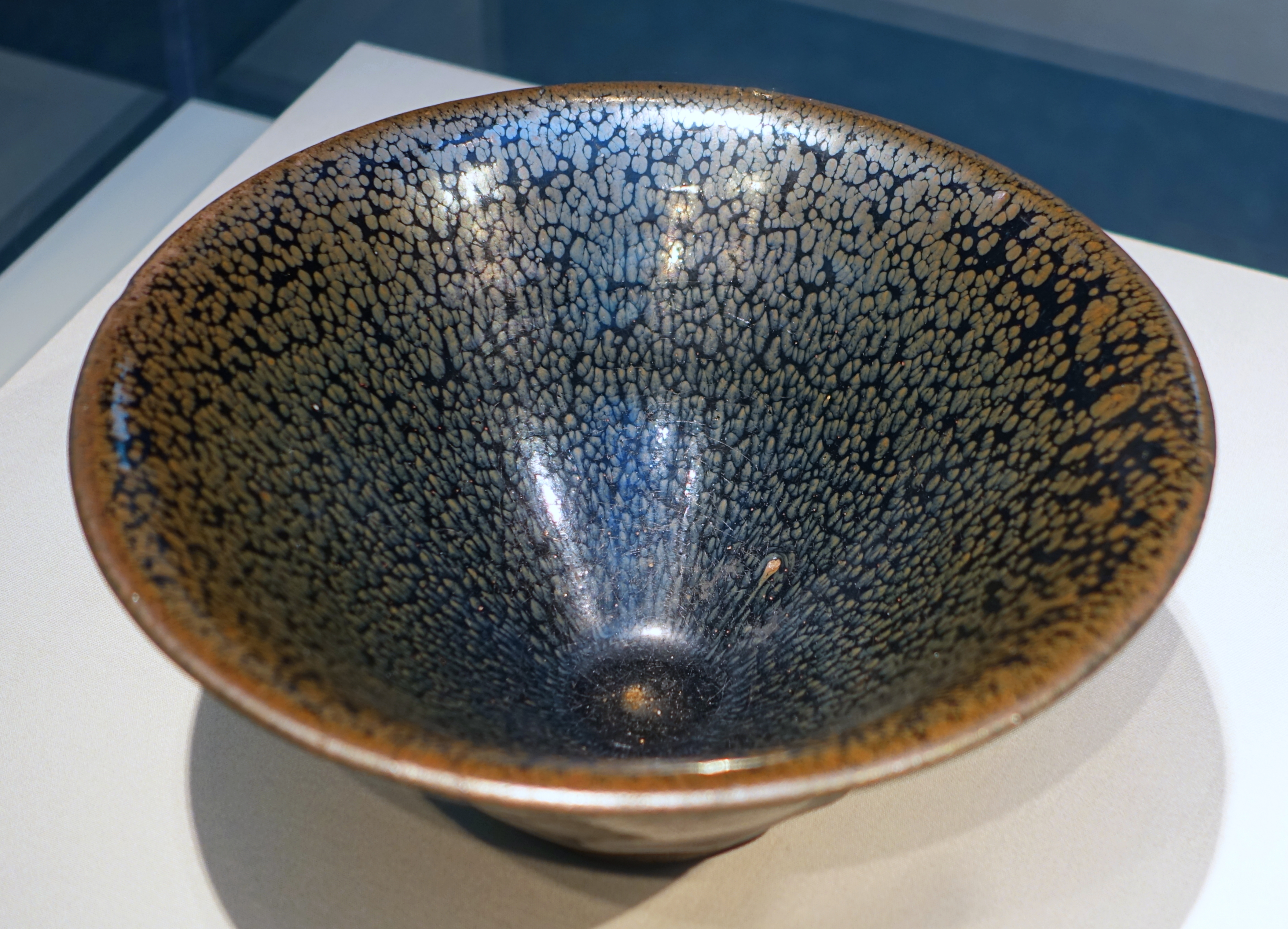
That is why the tea whisk belongs with bowl culture and with discussions around vessels such as jianzhan. Powdered tea is not just “powder plus water.” The bowl depth matters. The curve of the base matters. The powder quality matters. The whisk only makes sense inside this wider system.
A tea whisk almost never works alone. Scooping, sifting, pouring, and whisking form a system, and the whisk sits at the center of its execution; what matters is the way it works through that chain of actions.
3. Which traditions are being mixed together in today’s discussions of tea whisks?
This is one of the most confusing points in current Chinese-language discourse. Song-dynasty whisked tea, modern Japanese matcha practice, and contemporary Chinese lifestyle “dot tea” content are often folded into one vague aesthetic package. But if we want clarity, we have to admit that these are related yet distinct layers. Much of the practical object knowledge people use today comes through mature modern matcha-tool systems. At the same time, the emotional energy behind the whisk’s popularity in Chinese culture often comes from renewed interest in Song tea aesthetics.
So the better way to describe the moment is this: current whisk use often borrows its practical lessons from established modern whisked-tea tool traditions, while its cultural excitement in Chinese discourse is strongly tied to rediscovering Song-style tea heritage. Once those two lines are separated, the online arguments become much easier to understand.
4. What craft details actually matter in a tea whisk?
Beginners often look only at price, packaging, or tine count. Is a higher tine count always better? Is whiter bamboo always superior? Does more overtly “classical” branding mean better performance? Not really. The important differences are usually structural: bamboo flexibility, evenness of splitting, the proportion between inner and outer tines, the curvature of the working edge, the stability of the central knot, the smoothness of the transition from handle to working head, and whether the tips are too rough or too fragile.
Tine count matters, but it is only one variable. More tines often help create finer foam and a lighter touch. Fewer tines may feel more durable and sometimes better suited to certain powders or rougher beginner practice. What really matters is the relationship between powder fineness, desired bowl texture, frequency of use, and your own hand technique. A whisk is useful when its proportions and elasticity suit the drinker, not when a single spec happens to be larger.
5. Why do beginners get clumps, coarse bubbles, and uneven bowls?
The most common failures usually happen before the whisk is even fully at work. Powder that has not been sifted clumps on contact with water. Water that is too hot can flatten aroma and build rough foam; water that is too cool can leave the bowl dull and under-integrated. A bowl that is too shallow or too flat gives the whisk poor working geometry. And many people still use large circular stirring motions instead of short, high-frequency back-and-forth strokes.
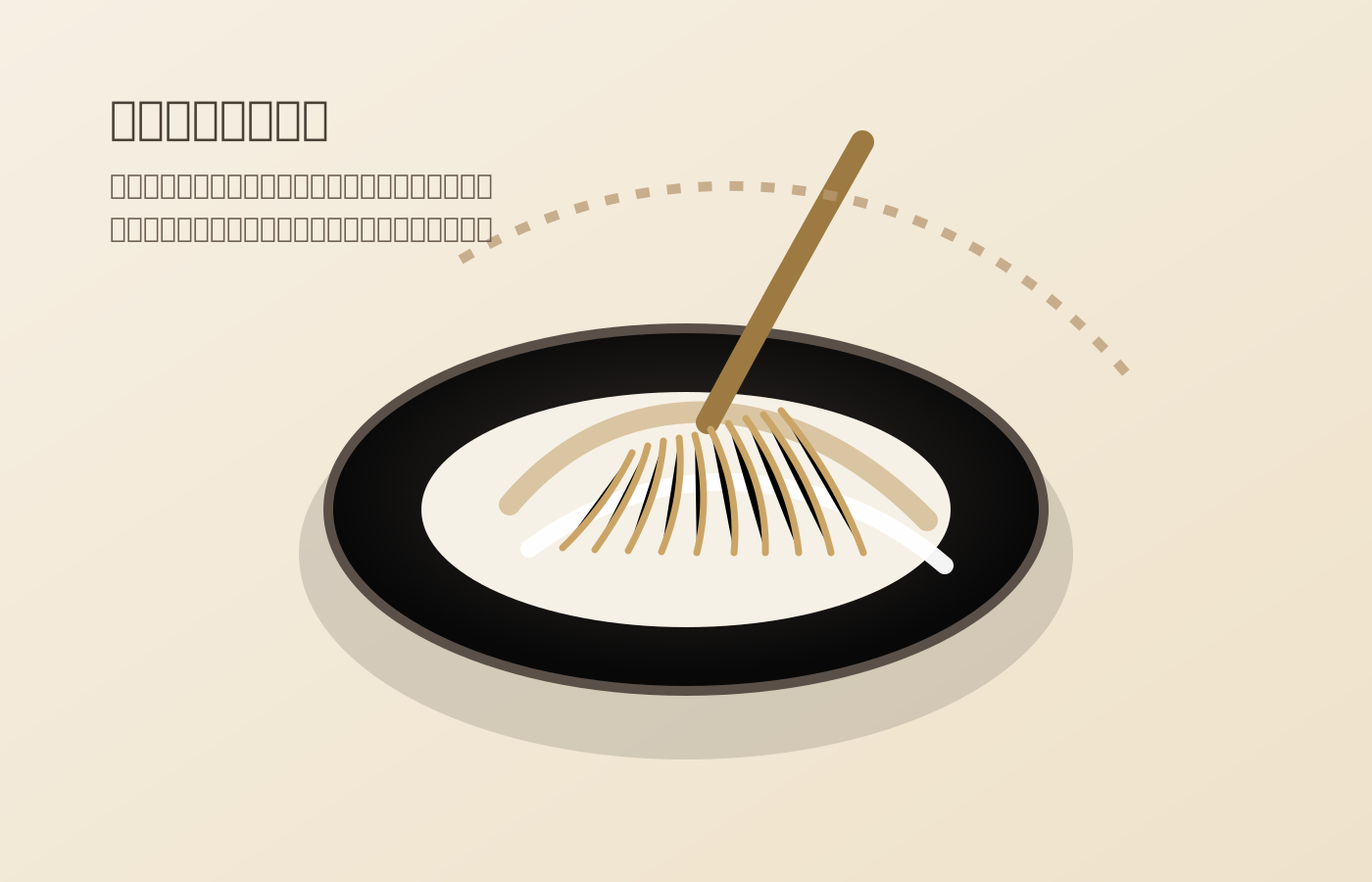
The whisk is most effective when it creates controlled repeated movement near the upper part of the liquid column, not when it lazily rotates around the bowl. You are not simply “mixing” tea. You are creating suspension, texture, and surface structure in a brief window of time. That is why tea-whisk technique should not be confused with frothing milk or beating eggs.
Good whisking is usually short, quick, and controlled rather than broad circular stirring. Change the motion path and both foam and mouthfeel deteriorate fast.The tea whisk cannot be judged in isolation. Bowl depth, bowl curve, and available working space all affect whether the tines perform properly; the whisk only makes sense inside that bowl relationship.
6. Why does aesthetics matter so much here?
If the whisk were only functional, it would not have become such a strong contemporary image. Its beauty comes from visible structure. Every tine shows how the object was made. Every split in the bamboo reveals labor, judgement, and fragility. Unlike heavier ceramic traditions, where glaze may dominate the eye, the whisk makes structure itself into the main aesthetic event. A well-made whisk feels fine but not weak, light but not flimsy, orderly but not stiff.
That is one reason it appeals to so many contemporary tea-object enthusiasts. It offers a very direct route into handcraft appreciation. Its beauty is not mainly painted onto it; it grows out of its working form. That also makes the whisk a revealing object in today’s so-called “new Chinese tea lifestyle.” It quickly shows whether the user is engaging with craft logic or merely collecting photogenic props.
7. Care and lifespan: why are tea whisks so easy to ruin?
Many beginners underestimate how vulnerable a tea whisk is. It is not a kitchen gadget that tolerates rough handling forever. Before first use, it usually benefits from gentle soaking or warming so the bamboo can relax. After use, it should be rinsed promptly and dried carefully. It should not be crushed in storage or left with tea residue in the tines. Breakage, splaying, discoloration, and mold all come quickly when the whisk is treated carelessly.
Another common misunderstanding is that a more expensive whisk must automatically last longer. In practice, finer and more elegant whisks often demand gentler use. Lifespan depends not only on craftsmanship but also on bowl roughness, whisking pressure, cleaning habits, and frequency of use. A mature drinker understands that the tea whisk is a handcrafted tool with a consumable life, not an immortal collectible.
8. The biggest misconceptions right now
The first misconception is that thicker foam automatically means a better bowl. Surface texture matters, but if the aroma is muted, the taste is harsh, or the liquid body is weak, the bowl has still failed. The second misconception is that every green powdered beverage should be handed to a tea whisk. It is not a universal mixing tool for all sweetened powders, milk drinks, or kitchen experiments.
The third misconception is that invoking Song-style tea revival means modern practical tool knowledge can be ignored. In reality, many people only achieve consistent bowls because they benefit from later accumulated whisking knowledge. The fourth misconception is that a whisk is good for photography but inconvenient for daily life. Used properly, it is actually ideal for short, high-quality solitary tea moments: little setup, clear motion, and a clean ending.
9. Why does the tea whisk deserve a place on the contemporary tea table?
Because it offers a fundamentally different way of drinking tea. A gaiwan teaches judgement. A fairness pitcher teaches distribution and order. A bowl such as a jianzhan shapes visual contrast and surface appreciation. The tea whisk turns tea into a bodily action problem again. It asks the user to build the bowl by hand. In an increasingly digital life, that physicality matters.
The current tea-whisk revival is therefore not accidental. It fits the visual logic of social media, but it also answers a real need: many people want something slower without wanting something overwhelmingly elaborate. They want ritual without staging a full formal tea table. They want a touch of tradition without disappearing into impossible complexity. The tea whisk sits exactly in that middle zone. Small, light, specialized, and unexpectedly deep, it remains worth keeping on the table as long as it is treated as a real tool rather than a costume object.