Why white tea is so often reduced to “the older the better”: from Fuding and Zhenghe to Silver Needle, White Peony, and Shoumei
Created: · Updated:
If there is one Chinese tea category that is both highly discussed and constantly oversimplified, white tea is near the top of the list. Its popularity has several obvious causes. Phrases about aged white tea and the familiar one-year, three-year, seven-year formula have long entered mainstream tea language. The revival of stove-boiled tea, wellness drinks, office thermos brewing, and home simmering has pushed shoumei, compressed aged white tea, and white-tea blends further into daily visibility. Every spring, terms like Silver Needle, early-pick buds, wild white tea, and sun-dried white tea return across Chinese social feeds and retail pages. The more white tea circulates, however, the more easily it gets flattened into slogans.
Many first-time drinkers remember only a few broad claims: white tea is the simplest tea to make, it is ideal for aging, older always means better, and it becomes especially comfortable when boiled. None of those statements is entirely false, but taken alone they reduce white tea to a passive tea that simply waits for time to improve it. That is far too shallow. White tea also depends on place, cultivar, picking grade, withering management, drying precision, and the real difference between the fresh liveliness of new tea and the deeper sweetness, herbal notes, wood tones, and rounded texture that may appear later.
White tea is often called simple because it is not heavily shaped, but whether it drinks well or ages well still depends on leaf grade, withering control, and final drying.
What exactly is white tea? Why does “simple processing” cause so much confusion?
Within the classic Chinese tea categories, white tea is a distinct group usually described as a tea made without pan-firing or rolling, relying mainly on withering and drying. That description is accurate, but it can also be misleading. “No firing, no rolling” sounds as if very little is done, as if fresh leaves are simply left alone and somehow become tea by themselves. In reality, white tea depends on a difficult kind of restraint. The producer has to let moisture leave the leaf gradually, preserve aroma, reduce raw greenness, and finish the tea dry enough for safe storage, all without using the more aggressive intervention seen in greener or more heavily shaped tea styles.
In other words, white tea is not easy because little happens. It is difficult because the leaf has to be stabilized without being heavily manipulated. That creates one of the category’s most attractive paradoxes. Good white tea often feels natural, relaxed, and almost untouched. Yet to arrive at that state, the maker still has to make a long series of judgments about weather, airflow, leaf thickness, sun versus indoor withering, and final drying. The fewer dramatic processing moves there are, the more visible small mistakes become.
White tea is not built through dramatic shaping. It is built by letting water leave the leaf at the right pace while keeping the tea clean, alive, and structurally sound.
Why is natural withering always central to white tea?
Because withering is the category’s true core. Fresh leaves are not quickly fixed with high heat in the way many green teas are, nor are they repeatedly agitated like oolong leaves in order to drive aroma outward. Instead, the leaves are spread out and allowed to lose water gradually, moving from fresh leaf to finished tea through a relatively quiet but highly sensitive process. If conditions are too humid, the leaves can become stuffy. If moisture leaves too quickly, the aroma can turn thin. If drying is incomplete, later storage becomes risky.
That is why the phrase “white tea is the simplest tea” only tells half the story. It has fewer aggressive shaping steps, but it asks for more control over natural conditions and more attention to the leaf’s internal state. The tea may look understated, but the margin for error is not.
Why are Fuding and Zhenghe so often discussed together?
Any serious discussion of Chinese white tea quickly returns to Fujian, especially to Fuding and Zhenghe. These two production zones are not interchangeable, but together they form the most important geographic framework for understanding white tea today. Fuding is the more widely recognized name in the broad market, and for many consumers “Fuding white tea” has become almost synonymous with white tea itself. Zhenghe, however, remains essential for understanding how cultivar, altitude, and local style can push white tea toward thicker, steadier, and sometimes more restrained expressions.
Placing the two side by side helps restore white tea as a tea of place rather than a vague category of ageable leaf. Mountain conditions, local plant material, harvest timing, and processing habits all matter. Some teas begin with brighter freshness and more obvious bud fragrance, while others start with more weight and convert differently over time. That matters because white tea is one of the clearest examples of a category whose later trajectory depends heavily on how well its starting point was built.
What is the real relationship among Silver Needle, White Peony, and Shoumei?
One of the first difficulties for new drinkers is understanding how Silver Needle, White Peony, and Shoumei relate to one another. Retail language often offers a neat hierarchy: Silver Needle is the highest grade, White Peony sits in the middle, and Shoumei is the most affordable. There is some truth in that because picking grade and scarcity do affect price. But if that ranking becomes the whole story, the most interesting part of white tea disappears.
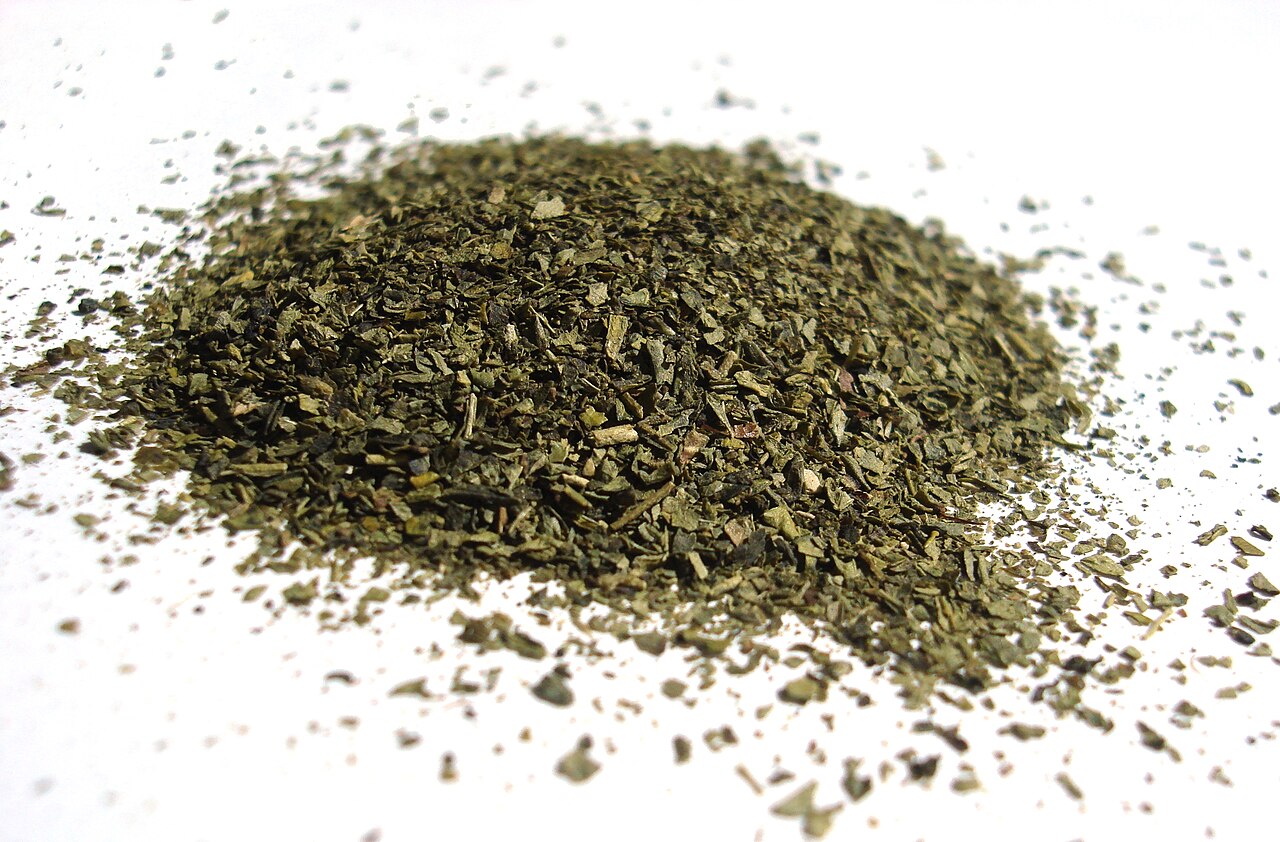
Silver Needle is built primarily from buds. It is visually elegant, covered in down, and often represents the lightest, cleanest, most delicate side of white tea. It can show fine bud fragrance, sweetness, and a very airy kind of precision, but it is also more vulnerable to poor handling and storage. White Peony, often made from a bud and one or two leaves, brings buds and leaf material into better balance. Many drinkers see it as the most complete all-rounder in the category: still fresh and fragrant, but with more body and more room for floral and leafy complexity. Shoumei contains more leaf and looks less rarefied, yet it is often the most practical and most revealing white tea in real life, especially when one starts thinking about daily drinking, stronger extraction, boiling, and longer-term aging.
So these teas are not simply better, middle, and lower. They represent different entrances into white tea. Silver Needle emphasizes finesse and freshness. White Peony emphasizes balance. Shoumei emphasizes depth, practicality, and later-stage transformation.
Why does Shoumei so often become the everyday white tea?
Because it pulls white tea back from pure rarity and into ordinary life. It is often more tolerant of different brewing styles, more suitable for thermos brewing and boiling, and more likely to show the sweet, mellow, woody, fruity, or herbal depth that many drinkers immediately recognize in older white tea. That is why so many discussions of boiling tea, stove tea, family sharing, and compressed aged white tea end up revolving around Shoumei rather than Silver Needle.
This does not mean Shoumei is inherently superior. It means it serves a broader daily function. It gives white tea a durable life beyond the narrow idea of spring luxury buds.
The most useful way to read white tea grades is not simply by price. Silver Needle tends toward delicacy, White Peony toward balance, and Shoumei toward long-form daily life.
Why is white tea so strongly tied to time? And why is age the easiest thing to overstate?
White tea does have a particularly visible relationship with time. As a new tea, it may show freshness, bud fragrance, floral notes, clean sweetness, and a lighter leafy brightness. After a year or two, aroma can begin to fold inward, texture can round out, and sweetness can sink deeper. If storage remains healthy over longer periods, some white teas develop honeyed tones, dried-fruit depth, herbal notes, woodier character, and a more settled profile. Because that transformation is real, white tea naturally became one of the easiest categories around which to build an age story.
But that is also why age is so often exaggerated. “The older the better” is the most common shortcut. In reality, white tea only improves with time when several conditions are already in place: the starting material must be good enough, moisture must be properly controlled, storage must stay clean, and the tea must continue to transform in a healthy way rather than becoming stale, stuffy, or lifeless. Time does not rescue weak tea. It magnifies what was there all along, including flaws.
So age should not be treated as magic. It is a coordinate, not a guarantee. A well-kept two- or three-year White Peony may be far more worth drinking than an older tea that has acquired little beyond the word “old.” The most practical way to judge white tea still returns to the cup: Is the aroma clean? Is the liquor alive? Is the sweetness natural? Does the finish stay clear, or does it fade into staleness, sourness, or heaviness?
How should the famous one-year, three-year, seven-year saying be understood?
This saying survives because it is memorable, rhythmic, and highly portable. It ties white tea to wellness, gifting, and collecting in a single compact formula. But its very neatness is also the problem. It sounds like a law when it is really a rough piece of folk wisdom.
The useful part is simple enough: new white tea has one kind of value, somewhat aged white tea may move into a gentler and more rounded state, and older white tea can, under good conditions, acquire a deeper mature character. That broad direction is valid. The trouble begins when the phrase is turned into a sales mechanism, as if reaching three years or seven years automatically justifies a higher value. Once that layer is removed, white tea becomes much easier to read clearly.
White tea becomes fascinating when different years genuinely show different stages of development. But the precondition is always healthy tea and healthy storage, not just a number on a label.
Why is aged white tea so often associated with boiling?
Because some transformed white teas, especially leafier grades such as Shoumei, can handle sustained heat very well. They often release sweetness, body, warmth, and a softer, rounder texture under boiling or simmering conditions. That makes them especially suitable for cold-weather sharing, stove tea, and home brewing.
But that is not a universal rule. Not every white tea should be boiled, and not every aged white tea becomes impressive once heated hard. Fine new Silver Needle or delicate new White Peony usually show better through careful brewing than prolonged boiling. Some teas with storage or finishing problems become worse when boiled because heat exposes staleness and structural weakness more quickly. The better rule is narrower: some structurally stable and well-transformed white teas are excellent for boiling.
What about new white tea? Why is it a mistake to treat fresh white tea as unfinished old tea?
This is one of the most neglected parts of the category. Because the aging story is so dominant, many people leap immediately from “white tea” to “old white tea,” herbal notes, boiling, and collecting, as if fresh white tea were simply a waiting room. That is completely wrong. Good new white tea has its own complete value. Fresh Silver Needle can be extraordinarily clear, light, and sweet. Fresh White Peony can show more overt floral lift, young-leaf energy, and airy layers. Even strong new Shoumei can be brisk, bright, and engaging in a way that later stages do not replace.
New white tea is not an inferior version of what it might become. It is one full phase of white tea’s life. If the raw material and processing are sound, new tea should already be worth drinking on its own terms. The younger stage asks you to look for freshness, cleanliness, lightness, and movement. The older stage asks you to look for roundness, sweetness, weight, and calm. Treating white tea only as a future-aged commodity means giving away half its charm before you even start.
How should a cup of white tea be judged?
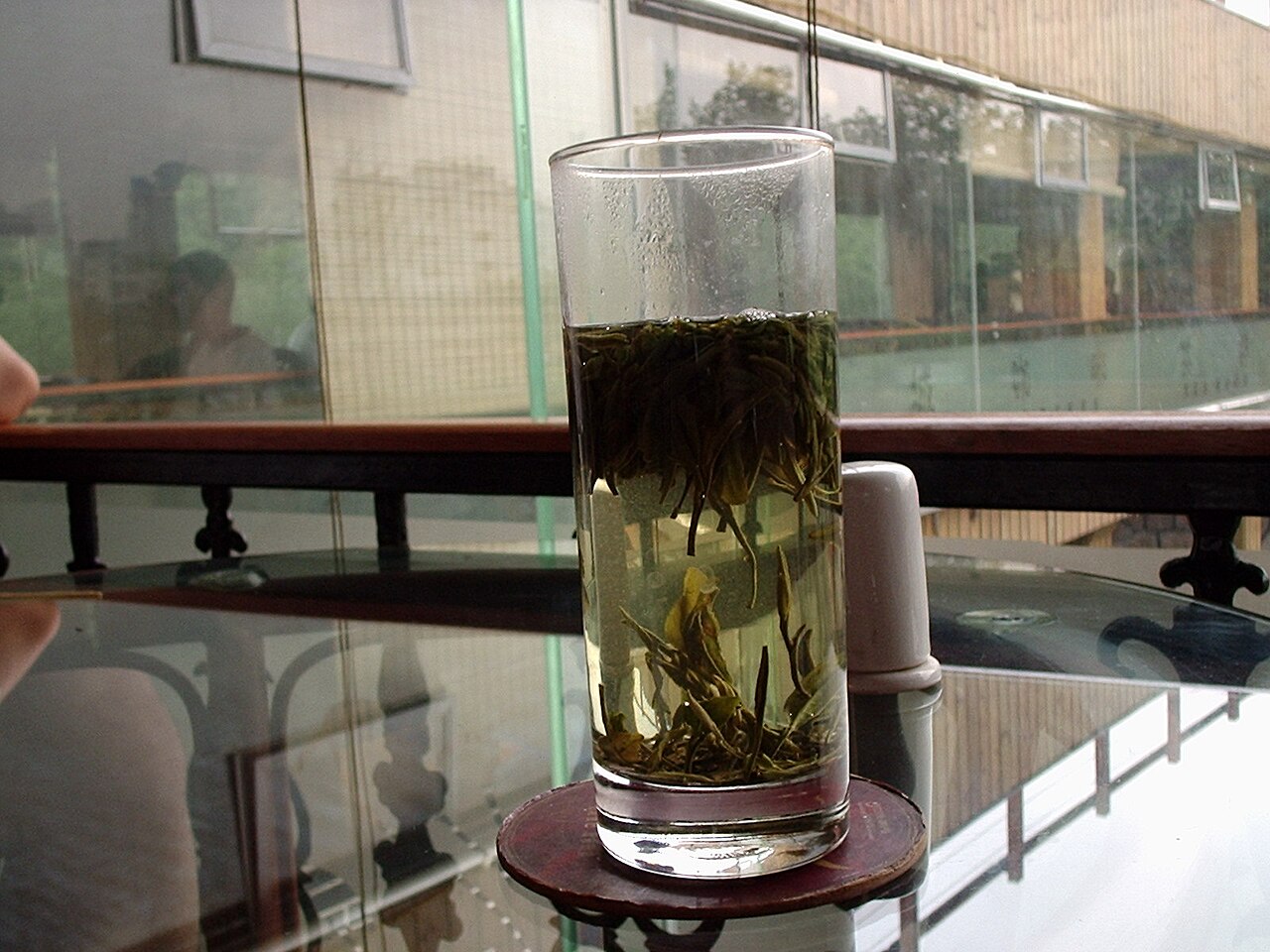
One common mistake is to chase a single marker, such as medicinal aroma, jujube notes, or visible fuzz. A better reading puts several layers together. Start with the dry leaf: does it look natural, intact, and plausible for its grade? Then move to dry and warmed aroma: is it clean, sweet, floral, and bud-like, or is it stuffy and dull? Look at the liquor: young teas often sit in pale yellow to light gold, older teas may darken, but brightness and cleanliness matter more than darkness. Finally, taste the tea: is the sweetness natural, is the liquor smooth, and does the finish remain clear?
The finish is especially important. Some teas give the illusion of age and depth in the first few sips but collapse into dullness, roughness, stale storage notes, or structural emptiness later. Good white tea, whether young or mature, should still feel composed and drinkable at the back end of the session. It is, in that sense, a very honest tea. The story may sound impressive before brewing, but the final cups tend to tell the truth.
How should white tea be brewed? Why shouldn’t Silver Needle, White Peony, and Shoumei be treated exactly the same?
White tea is especially revealing in a gaiwan because intact leaf material, aroma changes, and differences between young and aged tea all become clearer across several infusions. In general, younger white teas should not be pushed too aggressively. Silver Needle and White Peony often respond well to around 4 to 5 grams in 100 to 120 ml of water, with water in roughly the 90°C to 95°C range, short first infusions, and gradual extension afterward. That helps preserve their freshness, bud aroma, and finer layers.
Shoumei and well-transformed older white teas usually tolerate hotter water and more complete extraction. Near-boiling water can be entirely appropriate if the tea is clean and stable. Such teas often reveal more sweetness and body over multiple infusions. For boiling, a cautious and effective method is often to brew the tea first and then simmer the leaves, or to use a restrained quantity of leaf from the beginning. White tea’s real enemy is not heat itself, but coarse handling and one-dimensional intent.
White tea usually reveals itself best across several infusions, not through a single dramatic cup. That is when sweetness, bud fragrance, and texture begin to separate and become readable.Older white tea appears so often in shared winter drinking not only because it feels warming, but because some grades genuinely stay stable and sweet over a longer arc.When buying white tea, it is more useful to ask whether the leaf logic makes sense than to begin with a myth about age.
What are the easiest buying mistakes in white tea?
The first is to treat age as the only value. The second is to assume all white tea tastes basically the same, just younger or older. In fact, Silver Needle, White Peony, and Shoumei are structurally different teas, and new versus aged stages are not the same aesthetic at all. The third is to treat boilability as proof of quality. A tea that survives boiling may still be mediocre; it only proves that the tea can function under that method.
A fourth mistake comes from modern retail language itself. Wild, early-picked, sun-dried, old tree, abandoned garden, medicinal, jujube-scented: almost every one of those terms can make sense somewhere, but once they are piled indiscriminately onto one tea, caution becomes sensible. The most useful buying path still returns to fundamentals: is the origin clear, is the grade clear, is it new tea or aged tea, is it loose leaf or compressed, is the storage story believable, and above all, does the tea actually drink clean, smooth, and alive?
Why does white tea deserve a central place in a tea knowledge system?
Because it fills a crucial gap that is especially vulnerable to market mythology. Longjing and Liuan Guapian show that Chinese green tea is not governed by one idea of tenderness. Oolong and Phoenix Dancong show how craft and aroma can be actively shaped. Pu-erh shows how time, storage, and argument can become part of the tea itself. White tea brings another combination into focus: light intervention, strong time-sense, clear internal grade differences, and unusually strong public misunderstanding.
It is also a perfect bridge between current public discussion and long-term tea knowledge. It has spring relevance, autumn and winter boiling relevance, ongoing aging and wellness discourse, and clear pathways into more exact questions of origin, grade, and brewing. In other words, it is both a current topic and a durable one.
If jasmine tea reminds readers that Chinese tea is not only about original leaf categories but also about reprocessing and fragrance craft, white tea adds another crucial lesson: less visible processing does not mean less content, and the importance of time does not justify age mythology. Its most interesting quality is that it holds nature, craft, time, and market language in constant tension.