现制茶饮观察
为什么 2026 年茶饮门店开始把“清凉因子柠檬茶”和“海盐电解柠檬茶”分开认真写:同一杯柠檬茶,正在被拆成“更醒一点”与“更补一点”两条产品语言
如果说过去两年现制茶饮一直在把“早餐那一杯”“办公室下午那一杯”“饭后那一杯”“第二杯”写成更细的菜单语言,那么 2026 年另一个值得单独拎出来看的变化,就是连最基础的柠檬茶也开始被拆成更细的状态分支。霸王茶姬在同一产品页并列放出“海盐电解·柠檬茶”和“清凉因子·柠檬茶”,就是一个很有代表性的信号。它们看起来都还是柠檬茶,但已经不再卖同一种东西:一个强调海盐、电解、补水感与夏日轻恢复;另一个强调清凉因子、持续冰感、凉爽唤醒和即时提亮。换句话说,门店开始更认真地区分“这杯是帮你把状态扶正一点”与“这杯是现在就把你冷醒一点”。这不是小小的文案差异,而是产品语言的分叉。
真正值得注意的,不是“电解”或者“清凉因子”这些词本身有多新,而是它们说明现制茶饮正在更精细地阅读消费时刻。过去一杯柠檬茶常常被写成酸爽、清新、解腻、适合夏天、适合大口喝的大杯冷饮。那套基础功能当然还在,但门店已经不满足于继续把它笼统地卖成“清爽型柠檬茶”。它们开始把同一个茶底、柠檬和冷感,重写成两种不同的身体逻辑:一种偏向降温、醒神、冲击感和即时提亮;另一种偏向补给、恢复、补水感和轻度回正。前者更接近“我现在很热、很闷、很钝,想马上醒一下”;后者更接近“我今天状态有点塌,想喝点更像在照顾自己一点的东西”。
这也是为什么这不是简单改名。门店开始把“凉感”和“补感”当成两种可以独立经营的商品。以前菜单常常把这些感受一起塞进“清爽、提神、解渴、夏日必备”这样一大包词里,什么都沾一点,但不够准。到 2026 年,品牌显然更愿意把它们拆开:为什么同样是柠檬茶,一杯应该让你想到持续冰感,另一杯应该让你想到海盐和电解?因为门店已经意识到,消费者点单时并不只需要口味描述,他们还需要一个更精确的“我现在是什么状态”的解释。
这篇文章在看什么
核心问题:为什么门店开始把“更醒一点”和“更补一点”写成同一类柠檬茶的两条语言 观察线索:霸王茶姬“海盐电解·柠檬茶”与“清凉因子·柠檬茶”、持续冰感、海盐、电解、补水感、凉爽提亮、状态回正、夏季高频大杯 适合谁看:想理解 2026 年茶饮品牌如何把基础大单品继续细分成更精确菜单语法的读者
一、为什么这两杯并列出现的柠檬茶,值得被单独拎出来?
因为它们把一种过去只模糊存在于消费者体感中的差别,第一次直接摆到了菜单上。茶饮门店当然一直有不同版本的柠檬茶:有的更酸,有的更甜,有的更花香,有的更偏港式,有的更适合外卖,有的更像大杯通勤冷饮。但这些差别过去很少被明确组织成两套清晰不同的身体语言。一旦“海盐电解·柠檬茶”和“清凉因子·柠檬茶”并列出现,品牌其实是在告诉消费者:不要再把所有“清爽柠檬茶”都读成同一种东西。你现在点的,到底是那杯帮你轻轻恢复一下状态的,还是那杯现在就把你冷醒一点的?它们已经是两种不同的菜单动作了。
这件事对 drinks 栏目尤其重要,因为它说明基础饮品不再只按口味切分,也开始按“它处理身体状态的方式”来切分。更早一点,我们已经看到门店把电解质柠檬茶写成补给型饮品,把港式柠檬茶写成解腻、通勤、重口味搭餐的高频答案。现在更新的一步是:同一品牌、同一产品页里,连两杯柠檬茶都可以开始明确竞争不同体感。一个竞争持续冰感和即时唤醒,一个竞争海盐、电解、补水感与夏日恢复。也就是说,门店不是在单纯卖更多柠檬茶,而是在更精准地占领两个不同的高频时刻。
所以真正值得观察的,不是有两个新名字,而是门店越来越会捕捉消费者脑子里那种“其实我现在需要的不是同一种清爽”的区别。消费者可能未必会说得这么工整,但区别是真实存在的:我到底是热、闷、钝,想赶紧醒一醒;还是有点疲、状态有点散,想喝点更像轻恢复的东西?品牌现在开始替消费者把这层话说出来了。
二、为什么“清凉因子”卖的是凉爽唤醒,而不是普通清爽?
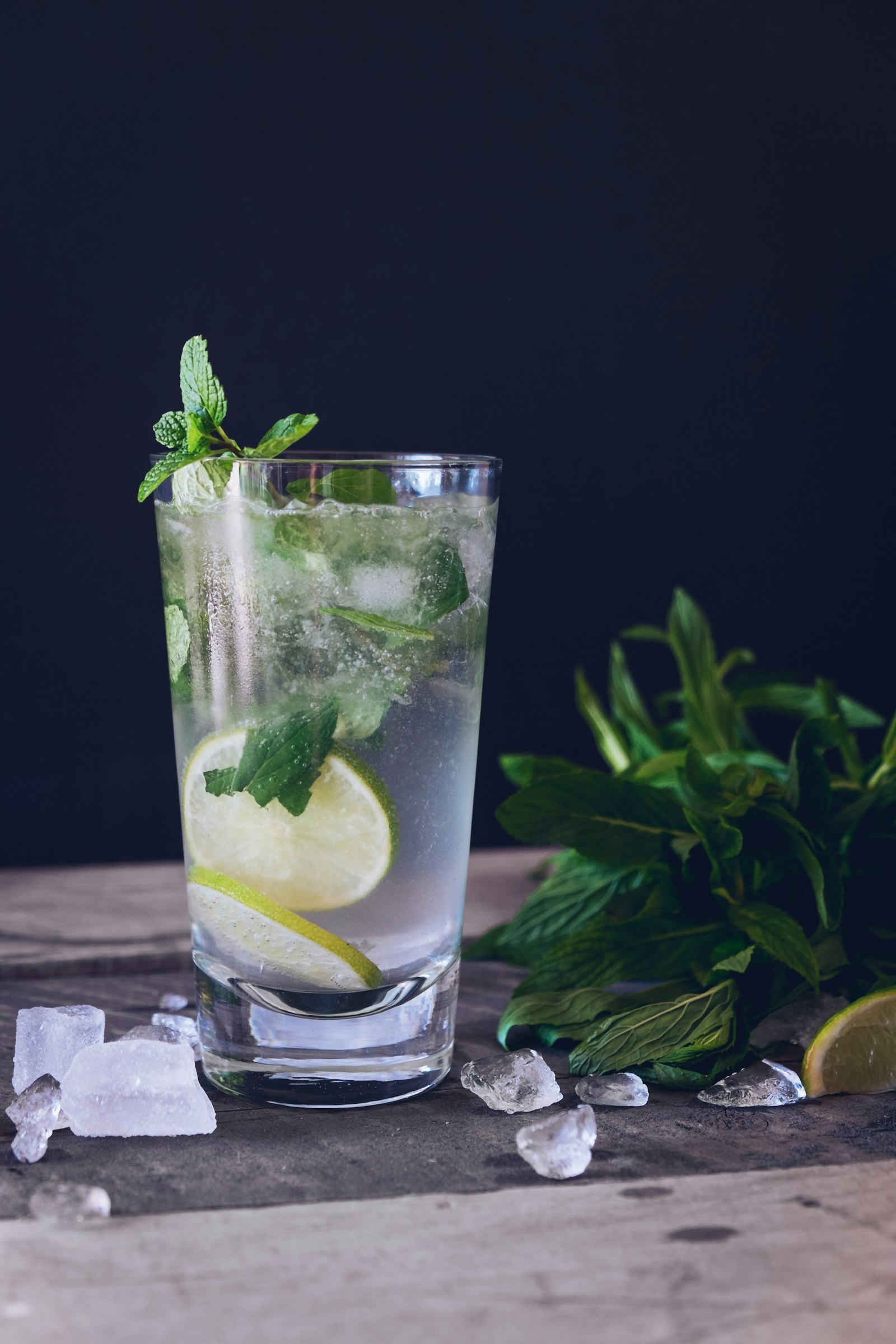
因为“清凉因子”这个说法,明显已经不是在写味道本身,而是在写一条感官通路。霸王茶姬对这杯产品的公开文案里,重点词是“特别添加清凉因子”“凉意沁心”“持续冰感”“开启活力夏日”。这里强调的不是海盐,不是补水,也不是营养解释,而是“凉爽唤醒”“即时提亮”和“更快的身体反馈”。这会把产品从“这杯柠檬茶好喝”往“我现在需要一个更直接、更快起效的东西”那边推。它有点像便利店里的薄荷糖、清凉饮料或冰感口香糖长期在做的事:不是靠复杂内容取胜,而是靠一个特别清楚的感官钩子,干预你此刻的状态。
这和普通“清爽”不一样。普通清爽是一种宽泛判断:不腻、通透、适合夏天。而“清凉因子”更具体,它指向的是第一口之后身体会怎么被你读到——凉感如何进入口腔、鼻腔,甚至你想象中的喉部路径,然后把那种闷、钝、发热的感觉往外推一点。也正因为这套语言足够直接,它特别适合短决策时刻:刚出地铁、刚晒完太阳、回南天和闷热天气、下午犯钝的时候,或者任何你想要“现在就有效果一点”的瞬间。那些时刻,消费者并不在寻找补给理论,他们在寻找更快的感官反馈。
从产品角色上说,清凉因子柠檬茶真正卖的是“即时提亮”。它不像咖啡那样是硬刺激,也不像功能饮料那样带着强工业感。它提供的是一种更轻一点的“把口腔和身体快速打开”的感觉。当现制茶饮把这种感觉认真写进菜单时,说明门店不再满足于卖“冷”,而是开始卖“有方向的冷”。
三、为什么“海盐电解”卖的是补水恢复,而不是普通柠檬酸爽?
因为“海盐电解·柠檬茶”已经被直接写进了补给语言。霸王茶姬的公开描述里,明确说这杯产品“特别添加海盐成分,补充电解质,开启活力夏日”,同时依然保留柠檬茶本身酸甜、微咸、清爽、通透的结构。这样一来,它和清凉因子柠檬茶就形成了非常清楚的对照:一个强调持续冰感和清凉冲击,一个强调海盐、电解、补水感和恢复。一个说的是“快点冷下来”,另一个说的是“把自己轻轻扶回来一点”。
这个第二条方向,和 2026 年高频状态型饮品的逻辑特别合拍。它并不是真的想成为一杯严肃的功能饮料,也不是真的想教育消费者精确计算营养,而是提供一种更容易被日常接受的阅读方式:今天天很热、走了很多路、状态有点塌,我想喝点更像在照顾自己一点的东西。门店真正经营的,不是医学意义上的补液方案,而是一种消费心理:“这杯不只是享受,它还有一点点合理照顾状态的许可感。”
这也是为什么海盐电解柠檬茶更适合那些不只是追求“马上爽”的时刻。比如长时间在外、运动后、走了很多路、连续闷热天气里,或者下午被空调和疲劳拖得有点散的时候,消费者当然也还想要清爽,但他们不一定只想要那种打头的冷感。他们更想要的是一种“整个人被稍微扶正一点”的感觉。海盐电解语言的价值,就正好落在这里。
四、为什么门店需要把“凉感”和“补感”分开写,而不是继续混在一个大词包里?
因为即便它们都发生在夏天,也都可以借柠檬茶来表达,但它们不是同一种消费心理。一个人如果现在又热又闷又烦,最想要的是“马上有效”,那清凉因子更顺;但一个人如果现在觉得有点疲、有点虚、想要更合理一点的照顾,又不想喝得太像功能饮料,那么海盐电解就更顺。过去品牌常把这些感受都塞进“解渴、清爽、提神、夏日必备”这一大包词里,什么都碰一点,但都不够准。现在把它们拆开,说明门店已经成熟到知道:消费者会对更细的解释买单。
这还有一个很直接的商业好处:同一套基础产品系统,可以被拉成两个不同菜单位置。清凉因子柠檬茶更适合做“我现在就想凉快一点”的冲动型点单;海盐电解柠檬茶更适合做“我今天该喝点更合理一点的东西”的状态管理型点单。一个从情绪和感官进入,一个从轻自我照顾和心理许可进入。它们都卖柠檬茶,但在菜单上承担的是不同工作。
说得更直白一点,门店开始理解:消费者不只是按口味分层,也按“我现在怎么给自己讲这个状态”来分层。过去差异更多被放在甜度、冰量、茶底和小料上;现在品牌开始更早一点,在命名层就把这层话说出来。一旦产品名先帮消费者解释了自己,点单就会更顺。
五、为什么这件事对 2026 年的 drinks 菜单特别重要?
因为 2026 年门店竞争越来越不是在发明一种从未见过的全新味道,而是在把高频状态写得更细、更准。早餐逻辑、第二杯逻辑、饭后逻辑、办公室逻辑、低糖语言、低因感知、补水感这些东西都已经陆续进了菜单。现在连看起来最基础的一类柠檬茶,也能再继续拆成“凉爽唤醒”和“补水恢复”两支。这说明 drinks 菜单正在变得更场景化、更身体化。品牌不只是卖一杯饮料,而是在争取“某一种状态下我该喝什么”的解释权。
而柠檬茶又特别适合承担这一步。它本来就有酸香、解腻、视觉明亮、大杯友好、外卖友好、通勤友好这些优势,所以很容易被拿来承载状态语言。清凉因子让它更像一种“快点把身体打开”的答案,海盐电解则让它更像一种“温和把身体扶回线内”的答案。它本来就是高频产品,一旦被加上更细的时刻解释,就更容易变成长线菜单资产。
这也解释了为什么我们会持续看到围绕柠檬茶、补水感、状态恢复和天气解决方案的各种分支。它们并不是彼此孤立的新上架,而是在争同一张地图上的不同格子:热、闷、疲、钝、走了很多路、晒了很多太阳、下午状态下滑,或者只是需要一杯看起来清醒但又不太厚重的大杯外卖。格子分得越细,门店就越能更稳定地抓住高频需求。
六、这两条语言分别最适合什么样的时刻?
简单说,清凉因子柠檬茶更适合“我现在就想有感觉”的时刻,海盐电解柠檬茶更适合“我今天想喝得更合理一点”的时刻。前者更像短而快的即时答案:刚出地铁、脸上还带着热气、闷热下午、吃完重口味之后嘴里想快点清一清,或者工作中身体想快点亮一下的时候。后者更像白天恢复型答案:在外面待了很久、运动后、走路很多、连续闷热天气,或者下午不想再来一杯重饮,但又想要一点补给感和心理安慰的时候。
当然,真实消费一定会有重叠。这不是医学分类,也不是要求消费者精准表达自己。但这不是分叉的重点。重点在于让消费者从一种模糊体感,更快地走到一杯“当下看起来更对”的饮料上。一个人未必会真的说“我现在需要电解质”,但他可能会觉得“我今天该喝点更恢复一点的”;他也未必会说“我需要持续冰感”,但会觉得“我现在就想来杯更冷、更快把自己叫醒的东西”。把这种模糊直觉翻译成可点单语言,本身就是菜单能力。
这也意味着 drinks 菜单越来越像一套状态检索系统。消费者不再是先想“我想喝什么茶类”,再去找味道,而是先想“我现在是什么状态、想被怎么调一下”,然后寻找最接近的那杯。清凉因子柠檬茶和海盐电解柠檬茶的并列,就是这个变化非常直观的一次展示。
七、这条趋势的边界在哪里?
第一,语言更细,不代表产品自动成立。如果清凉因子柠檬茶只是听起来更凉,但入口并没有形成明显的感官路径,消费者很快就会把它读成“又一杯普通冰柠檬茶”;如果海盐电解柠檬茶只有概念,没有轻微盐感、没有连贯的补感、没有真正像恢复一点的收尾,它也会塌回“普通柠檬茶换了个说法”。状态型饮品比口味型饮品更不允许过度承诺,因为消费者买它们,是为了当下的真实时刻。
第二,这种切分特别容易被模仿。一旦“持续冰感”“海盐电解”“补水感”“凉爽唤醒”这类词到处都在写,最后真正决定胜负的还是落地:茶底够不够干净,柠檬香气够不够自然,甜度和盐感的收尾顺不顺,喝下去的感觉能不能真的支撑文案。词很容易抄,完成度不容易抄。
第三,这不意味着消费者会无限接受越来越碎的身体语言。如果切得太细、太碎,或者写得太像伪功能概念,菜单就会开始显得费劲。有效分叉必须建立在消费者原本就能模糊感觉到的区别上。“想凉一点”和“想补一点”都是真实直觉,所以这组对照才成立。
八、为什么这件事值得继续追?
因为它说明 2026 年茶饮品牌的下一步,不只是发明新味道,而是重组那些原本已经成熟的基础大类。柠檬茶就是最好的例子:它已经够成熟、够高频、够大众,但品牌依然能从里面再切出新的入口。这说明行业远没有走到“基础大类已经写完”的阶段,相反,它正在进入“基础大类被重新组织”的阶段。
这对 drinks 栏目很重要,因为长线复购往往不是被最花哨的新杯子驱动的,而是被这种越来越细、越来越日常、越来越稳的答案驱动的。今天门店把清凉因子和海盐电解分开写,明天它就可能把别的基础品类也继续拆成更多“更适合这个具体时刻”的分支。谁能把这些分支写得更准确、做得更可信、解释得更顺,谁就更容易赢得高频消费。
说到底,这对并列产品的意义,不只是“出现了两杯柠檬茶”。它真正的意义在于:现制茶饮开始把“同一种清爽”拆成不同身体叙事,也把“同一种好喝”拆成不同状态解决方案。一旦门店开始认真经营这些细差别,菜单就不再只是味道清单,而会越来越像一张日常状态地图。
继续阅读:为什么 2026 年茶饮门店开始认真经营‘电解质柠檬茶’、为什么港式柠檬茶又成了高频答案、为什么闷热天气里的茶饮越来越强调状态修正、为什么茶饮越来越像办公室补给。
来源参考
- 霸王茶姬|活力鲜果茶系列
- 站内相关专题:电解质柠檬茶、港式柠檬茶、闷热天气茶饮、办公室补给(2026 年 3 月至 4 月)。